Latest Comments

Guest - Max Mustermann The True Cost of Driving a Car.
06. November 2026
Great breakdown — the non-fuel costs are exactly the bit most people forget when they compare cars. ...
Guest - Harma Phew. Now it gets involved!
21. Oktober 2026
Have fun at these events.
Guest - Aislinn Dyestuff Citizen Science.
09. Oktober 2026
This is a great project. I look forward to the results. Thanks for letting us know.
Guest - Aislinn Time for...
09. Oktober 2026
Looks delicious!
Guest - Katrin Sprang Discussion
18. September 2026
Hi Rachel, I have looked for more photos of you, but that was not very successful. I found a link on...
APR.
13
0

Flower Pictures.

I'm busy preparing for the IRM in two weeks (my, how the time flies by!), so it's making a list, checking it twice, sorting things and getting all kinds of odds and ends into place.

While I'm doing this, maybe you'd enjoy some more nice flowers from our garden?

bauernbueble2 silberblatt tulpe_gelb
It's really lovely to see all the colours coming out, and things blooming merrily everywhere. The only sad thing - there's next to no bees around, only the odd bumble-bee here or there, and I always feel like there should be many, many more of them...
0
APR.
12
0

More stuff to read. (Or look at. Or watch.)

Last November, a conference about why the world needs anthropologists took place in Ljubljana, Slovenia. If that sounds at all interesting to you, here's more info about the conference, and here is a 4.5 hour video taken during the conference, so you can enjoy some of the talks. (h/t to Rainer Schreg at Archaeologik.)

The newest issue of Fornvännen (a Swedish archaeology magazine) is available online.

The archaeology museum in Cambridge has a Roman pot, decorated with art featuring penises, on permanent display - here's a short article about it, of course including pictures.

Finally, thanks to a new shelter, a rare 13th century tile floor is on display again at Cleeve Abbey in Somerset.
0
APR.
11
0

Conference Videos and Textile Conservation Work.

I have two links for you this morning - Doug from Doug's Archaeology has attended the conference about Computer Applications and Quantitative Measurements in Archaeology this March, and if you're interested in the presentations that were given, go visit his blog post - there are several videos of presentations from the conference.

More textile-related: Here's a blogpost from a conservation student about washing a 19th century embroidery sampler.

Also? Flowers!

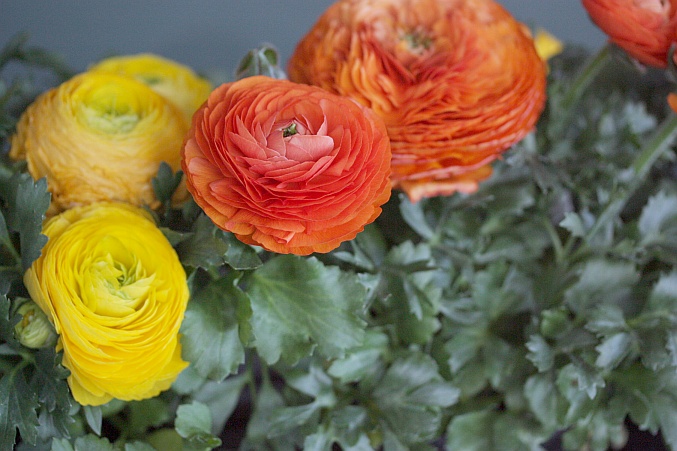
ranunkeln
These lovely buttercups hang out on the table in the wintergarden, spending all their effort on looking good. (Also, while looking up their English name, I just learned that they should not be handled extensively, as they can cause contact dermatitis in humans.)
0
APR.
08
0

Friday Link Roundup, With Extra Tulips.

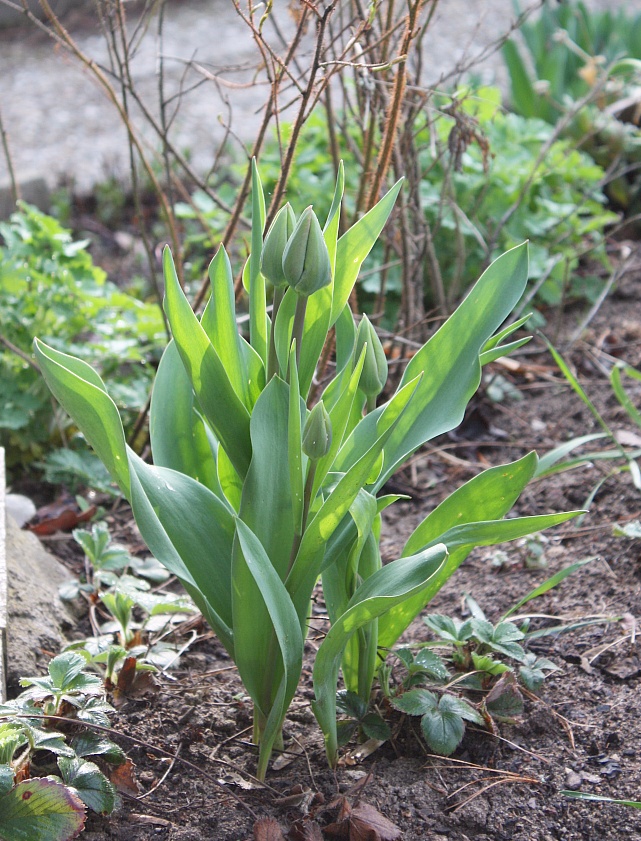
Here's a picture of some tulips in our garden*, slowly getting ready for their big day:

tulips
And a stack of things that I hope you will find interesting:

Here's a story of a remarkable woman - Dorothy Bennett.

Also from Jstor Daily: an article about losing proficiency in your first language through learning a second one. The article mostly focusses on war prisoners, as they tend to be the extreme cases, and it was a really interesting read for me. (I certainly know the symptom of not finding the word I'm looking for in German sometimes, and it's good to know that this is perfectly normal.)

The British Library has digitised all fourteen (fourteen!) of their Roman de la Rose manuscripts, and they are now available online.

Springtime also means lots of birds doing springtimey bird stuff. Some of these guys might not be the fluffy-feathered feelgood folks you expect them to be, though. Case in point? The Great Tit. They can be really aggressive and murderous, as that article tells us.

Finally, there's a mystery bone tool over on the ossamenta blog, and Lena is looking for ideas of what it might be. Maybe you have an idea?

 
* I made said garden stinky, by the way. On the bag it says "all-natural fertiliser". What that means is "cow shit compressed into pellets". It smells accordingly... but I'm hoping the plants will grow better this year, having been treated to the stinky stuff.
0
APR.
07
0

Help keep Prora standing!

History is not always pleasant, and historical monuments are not always aesthetically pleasing, or convenient. Still it's important to keep them so we can remember - and this includes remembering darker aspects of our past.

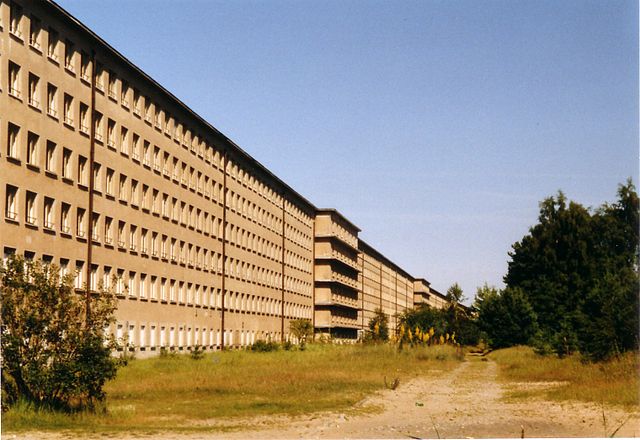
One monument connected to the darker aspects of the German past is the Prora, a seaside resort that was planned and built during the Nazi regime. Prora is located on the east of Rügen, the biggest German island in the Baltic sea, on one of the island's most beautiful beaches.  It's not just a small seaside resort, though - the thing was intended to be huge enough to accommodate 20 000 people at once. Yes, twenty thousand vacationers. In an enormous building.

[caption id="attachment_2342" align="alignnone" width="640"]Von Steffen Löwe - de.wikipedia.org: 17:00, 11. Aug 2004 . . Steffen Löwe Gera ( "Colossus of Prora" seen from the seafront, photo by Steffen Löwe, Public Domain


Obviously, a huge building like that, especially one linked to this uncomfortable time of our past, is going to cause a headache. And these days, not so much is left of the Colossus of Prora.

First, it was partially destroyed by the Red Army. After 1949, five blocks of the building were transformed into one of the largest military bases in the GDR. Between 1949 and 1989, this special place was kept a secret, sealed off from visitors and unlisted on any maps. When the gates finally opened in 1990, artists and creatives were attracted to this affordable, natural paradise and a thriving community was born. More recently, the area has become a popular meeting place for young people and is now the home of several festivals, such as "Her mit dem schönen Leben", "Tag am Meer" and "Her Damit"- Festival.

A few years after the opening of the area, property developers began to convert this precious space to luxury homes and hotels. In the process, many artists were kicked out, traces of history were destroyed and permanent damage was done to the environment as trees were chopped down and fields dug up to make way for concrete parking lots. Today, only Block V remains in public hands and remains an authentic (if damaged) part of the original resort. Scholars have only just begun to study the history of this special area.

Of all the building sections, Block V holds the most significance for German history. It was here that the secret rearmament took place during the Cold War. It was from here that soldiers in 1953 marched off to quell the uprising, and in 1961 begin the construction of the Berlin Wall. During the 1980s, it was from Block V the "hotbed of oppositional ideas” developed – e.g. it held the largest concentration of weapons objectors. The electoral fraud of a local election in 1984 was first revealed here by construction soldiers of the GDR who were, at the time, regarded as "hostile-negative" forces and harassed on a daily basis. These historical events paved the way for the peaceful revolution. In 2010, after years of persuasion by Denk-MAL-Prora (an initiative of former construction soldiers and sympathisers), the state of Mecklenburg-Vorpommern agreed to consider a centre to oversee the preservation of the history recorded in the building here. The walls of the hallways, rooms and other areas are decorated with many murals which are significant to the study of the GDR.

But now, even this final remaining block of the Colossus of Prora, with its vast historical significance, cultural heritage and local significance is under threat by private resort speculators. The decision on whether to privatise the remaining block and convert it into luxury properties is scheduled for May 2 (which, ironically, is the anniversary of the foundation stone for the planned Nazi-Resort). There is reason to fear that the decision will ignore the significant history and cultural implications. The loss of Prora also means a continuation of the powers which seek to whitewash our history and ignore many political errors of the last century. More than just a “Nazi building”, Prora has a rich and important history. It was an active centre of two dictatorships. It held a significant role in the peaceful reunification of Germany and is a testament to the role played by hundreds of thousands of members of the GDR.

There is a petition against this privatisation of the last remaining block currently running. The petition asks for the building to stay a public property, the implementation of a study centre, and the preservation of the architecture and other elements of the complex that have historical significance.

Prora might be an uncomfortable monument, but it is a very important one. Our history and its monuments should be kept for study, not changed into luxury seabathing apartments.

Please help keep Block V of Prora as it stands today by signing the petition here. And, as usual - please spread the word about this!

 
0
APR.
06
0

New things in the shop, too!

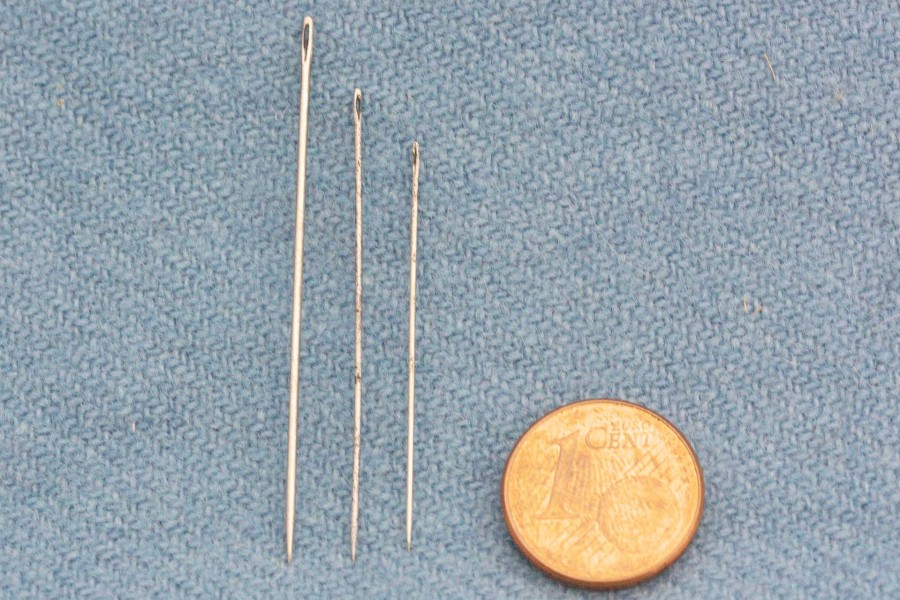
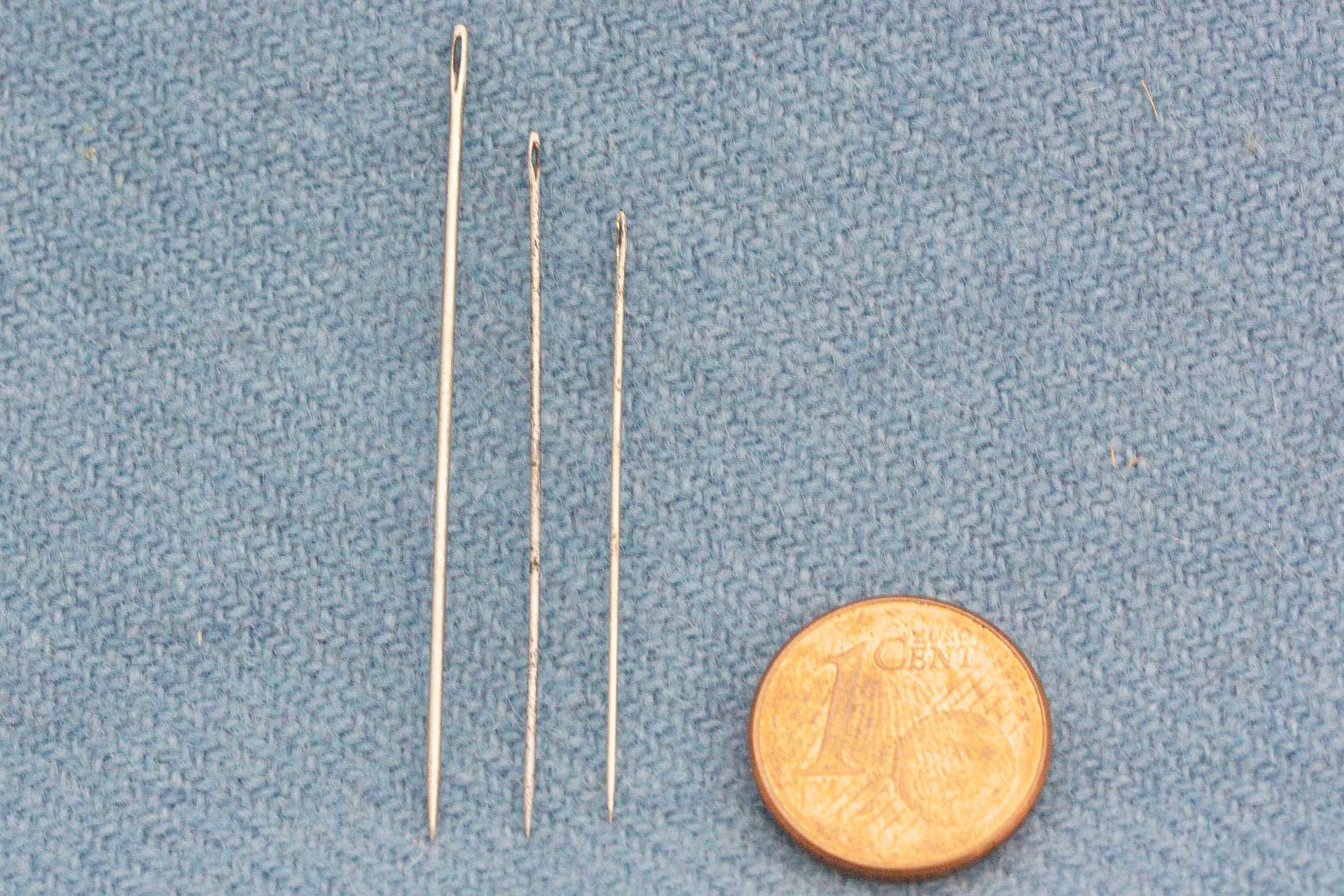
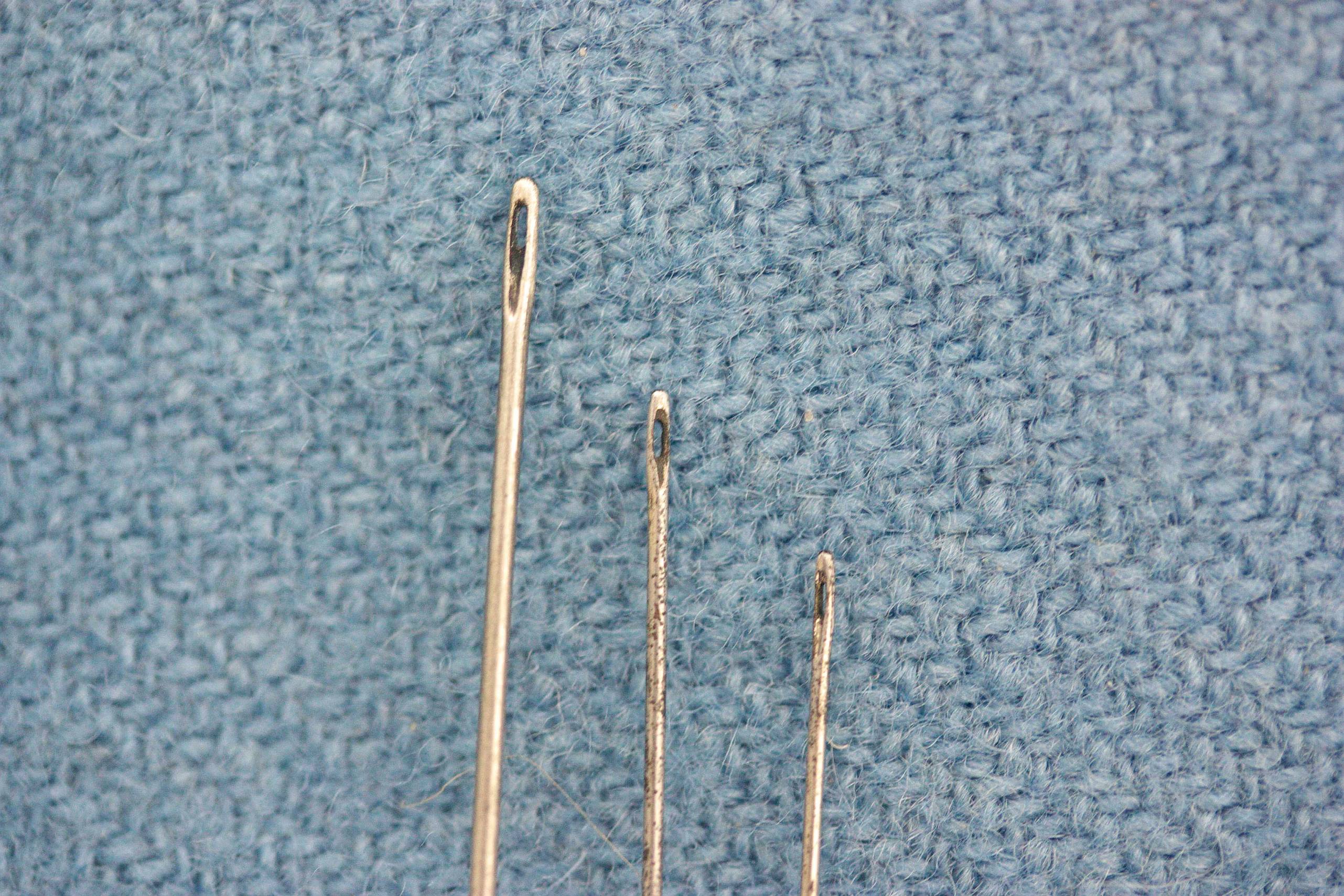
There's not only seedlings sprouting, there's also, finally, something new in the shop again: Handmade iron needles!

eisennadeln1
I was able to buy the remaining stock from someone who made these needles for a while, and they are finally all sorted, polished, and ready to be sold.

Making needles such as these, I've been told, is not easy - there's a lot of breakage when the eye is punched in, for instance.

[caption id="attachment_2330" align="alignnone" width="640"]Closeup of the needle eyes. You can still see some of the dark oxidisation residue from the process of making the needles. Closeup of the needle eyes.


That's one of the reasons the needlemaker stopped doing this, so the small stock I have of these needles are all that remain, and probably all there will be. So, like so often when I get my hands on remaining stock, I'm all torn between happiness that I have at least a few of the wonderful items, and sadness that these are the last, and there will be no more of it in the future.

For now, though, there are needles - and I am very happy about that!
0
APR.
05
0

New things.

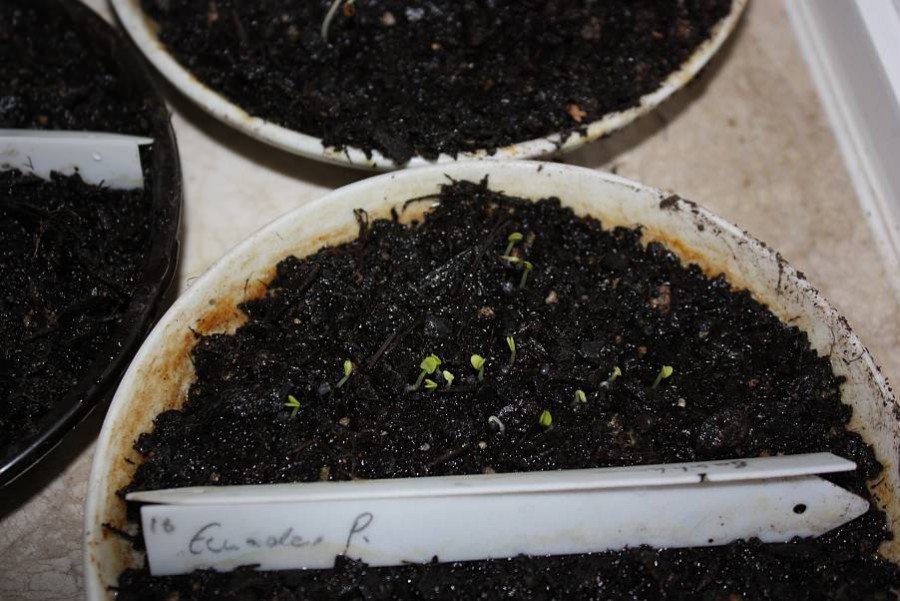
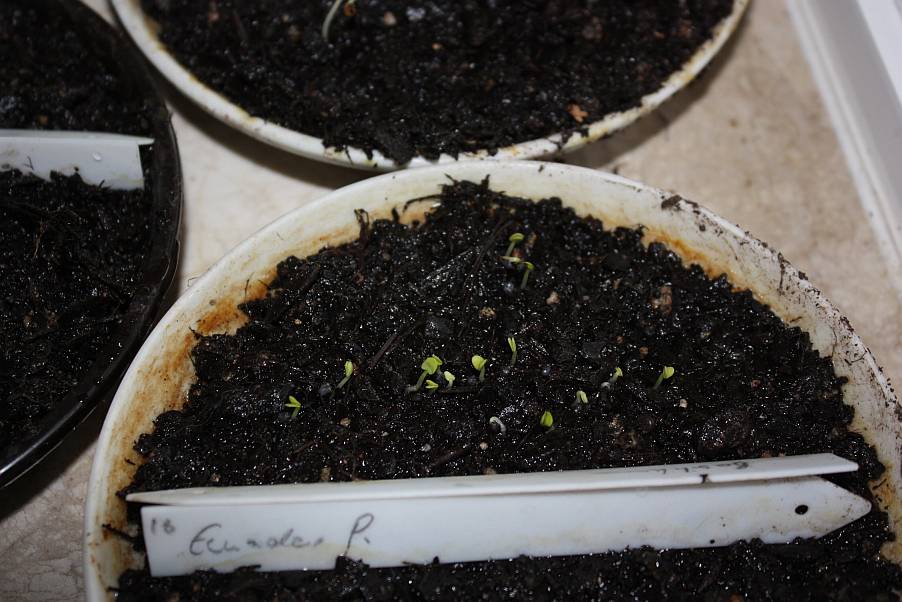
Spring is the time of year when new things spring up - and it is fun to be part of this. Case in point number one:

[caption id="attachment_2333" align="alignnone" width="640"]Basil seeds, sprouting. Yay basil! Basil seeds, sprouting. Yay basil! (The basil is not called Ecuador Purple, by the way. That's the chili plant seeds in the other half of the saucer.


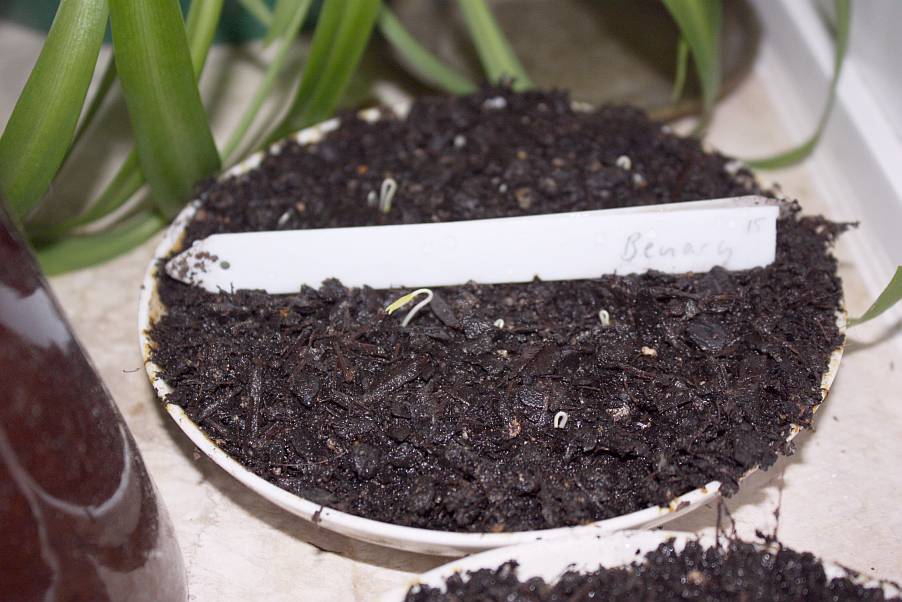
And what would basil be without tomatoes? Boring, right? So, case in point number two:

[caption id="attachment_2332" align="alignnone" width="640"]Tomato seedlings, fresh out of the soil. Tomato seedlings, fresh out of the soil. Two different varieties in the two saucer halves - Benarys Gartenfreude is the German name of Gardener's Delight, which are small, sweet cherry tomatoes.


Last year was not a very good one for tomatoes here, and I'm really hoping this year will be better. Now while the seedlings grow there's a few weeks of time left to get the garden beds outside into a semblance of order, and (which is the most important thing this year) apply some fertiliser, as they are all pretty much emptied out of plant nutrients, judging from how things grew (or did not grow) last year.

For the tomato seedlings, though, there are interesting times ahead... a few years ago, when the seedlings had just sprouted their first pair of real leaves, I accidentally forgot to water them before leaving for the whole day. The seedlings stood in the wintergarden, and the day was sunny, so of course it became really, really hot in there. The result? I came home to all of the seedlings lying flat on the dry soil, looking very sad and dehydrated. I did the obvious then and flooded them with water, hoping for the best - and the best certainly happened: almost all of the plants recovered. The drought did have an ongoing effect, though, as they all developed very thick, solid stems and a good root system, possibly in an effort to get and store more water for the future.

So from that time onward, I give the little plants an intentional drought when they are in the first-real-leaves stage, resulting in strong plants with strong, sturdy stems. At least that's what I get. I have no idea whether they'd turn out the same without the dry streak, but since I've been happy with the results with it, I'll just stick with the system. If you do something similar, or if you try this at home, I'd love to hear about your results!
0

By accepting you will be accessing a service provided by a third-party external to https://pallia.net/

Kontakt