Latest Comments

Guest - Aislinn Dyestuff Citizen Science.
09. Oktober 2026
This is a great project. I look forward to the results. Thanks for letting us know.
Guest - Aislinn Time for...
09. Oktober 2026
Looks delicious!
Guest - Katrin Sprang Discussion
18. September 2026
Hi Rachel, I have looked for more photos of you, but that was not very successful. I found a link on...
Guest - Beatrix Sprang Discussion
15. September 2026
That lozenge pattern element is not a photograph, but a scan. So it should be to scale. But I pinned...
Guest - Katrin Sprang Discussion
15. September 2026
I was not referring to Rachel's reconstruction (is the reconstruction you refer to the one photograp...
APR.
21
0

Links for your delectation.

Glasgow Textile Conservation has a blogpost about the conservation of an 1820s cap. More textile links? Aisling has posted about three different variations of a single pattern (in German, though).

Jstor Daily has a nice post about weird names of food.

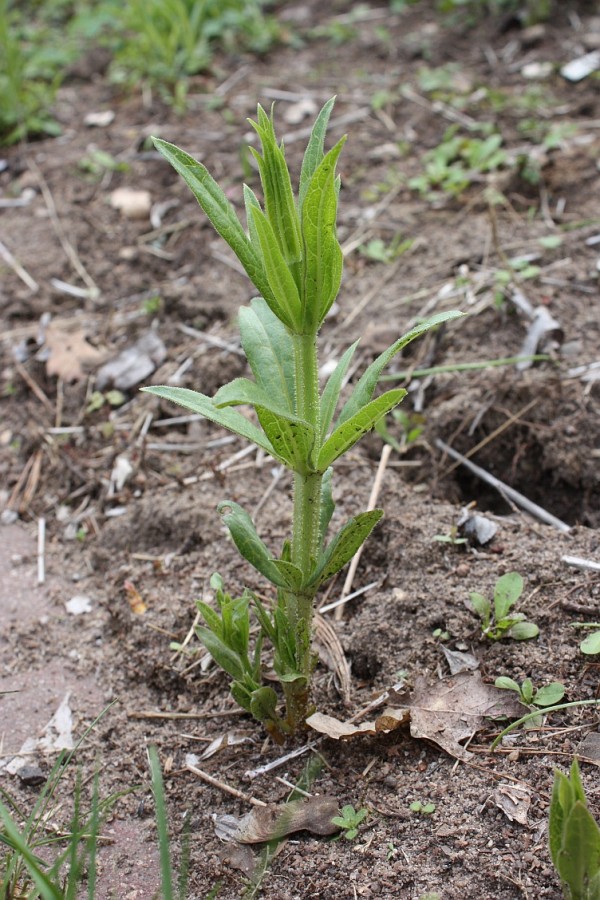
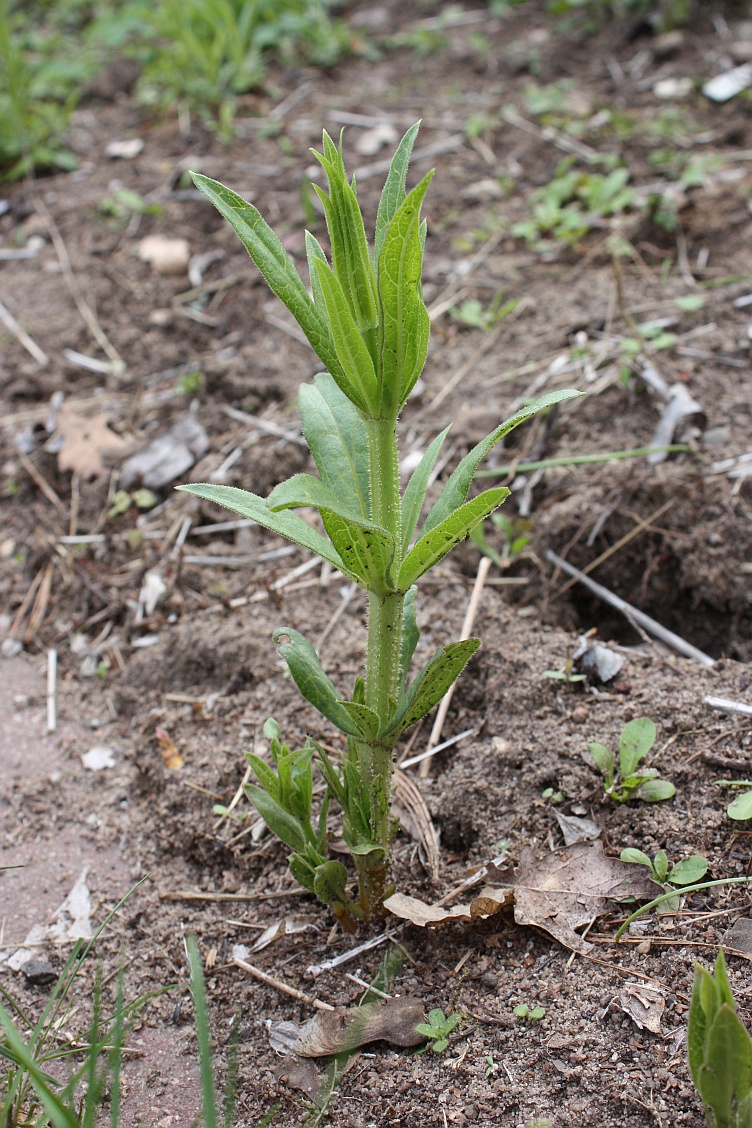
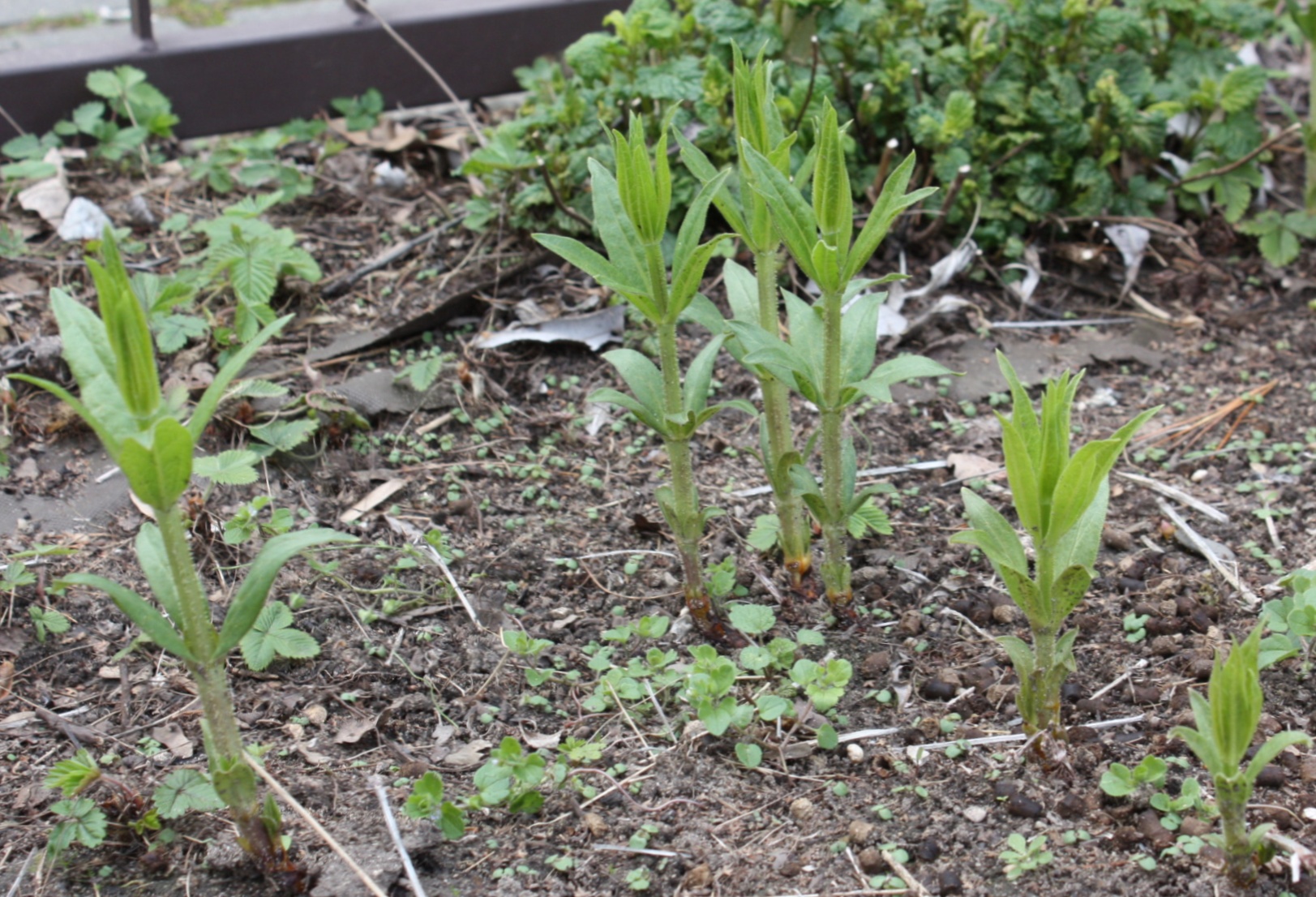
In other news, the sun is shining, the cat is napping on the sofa, and I'll be packing stuff into the car now for the trip tomorrow. And finally - here's a gratuitous pic of the madder in the garden, growing nice and tall in the spring sunshine.krapp2
It is not alone, this little stalk. In fact, madder has a tendency to take over as much ground as it can - a bit like peppermint plants... only with more red in the roots. This autumn, I really have to harvest some of the madder roots, or there will be no space left for anything else!

krapp
0
APR.
18
0

New bits on the page.

A long while ago, I wrote a blog post titled "How to untangle a skein of yarn". The reason for this post was my having had a, hm, let's call it an incident with a winder and a skein of yarn. Of very fine, lovely and pricey silk yarn.

Cue the necessity to find out how to untangle said skein and salvage the yarn. That inspired the blog post, and it's since been one of the most read posts, as well as a rather high-ranking result when looking for instructions on how to untangle yarn in a search engine.

So I've finally translated the post into German, and it's now available as text in both English and German on my main website. I do hope it will help more people in the future!

In completely unrelated news - we went indoor bouldering on Sunday, and that was a lot of fun, plus resulted in sore arms for me today. We'd been climbing (classical top-rope climbing) years ago for a while with some friends, but never got into it on our own. Bouldering doesn't require ropes or harnesses and somebody you can trust to secure you; instead, you pick a route and get started. Plus the climbing gym had a nice café to hang out with friends. We're definitely planning to do that again in the future!
0
APR.
15
0

Spinning is still such a topic...

Spinning, and spinning pictures from medieval times, still fascinate me. There's so many pictures of spinning women, so few pictures of spinning men, and there's still no clarity about how many of them are showing whorls or no whorls, how many of them have the distaff left or the distaff right, and what the spinning position and spinning methods are exactly.

One of my friends and colleagues and I arrived at the conclusion that a good, large database with annotated pictures might be helpful to shed some more light on the issue... so now we are thinking about how to do that in the background of our minds. One big step of the project will be to find a suitable tool for the annotation; we basically need a database that can handle pictures as well as text, and preferably one that we can collaborate on via the internet, so a server-based software would be perfect.

I've already started peeking into the resources at the DiRT Directory, which is a registry of digital research tools for scholarly use. There's a huge number of different tools there that are tagged under "images", but I haven't been through them in enough depth yet to see whether there is something suitable for us or not.

If you've used a database for annotating and analysing pictures (or small finds, that should work as well), which one did you use? Were you happy with it?
0
APR.
14
1

Old Cheese and Material Skills Masterclasses

I'm not a fan of cheese, but this made me smile - some really, really old cheese has been discovered in China, and it dates back to the Bronze Age.

Also archaeology-related: Newcastle University offers a series of Masterclasses, targeted at students, researchers and those working with artefacts. The Material Skills Masterclasses will run this June, so fairly soon - if you are interested, go check their website.

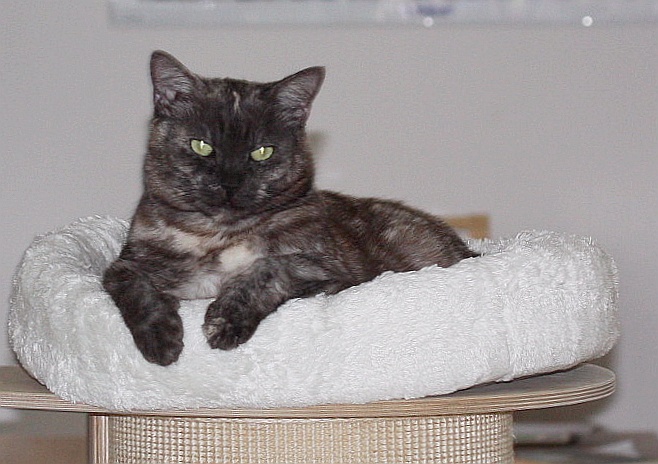
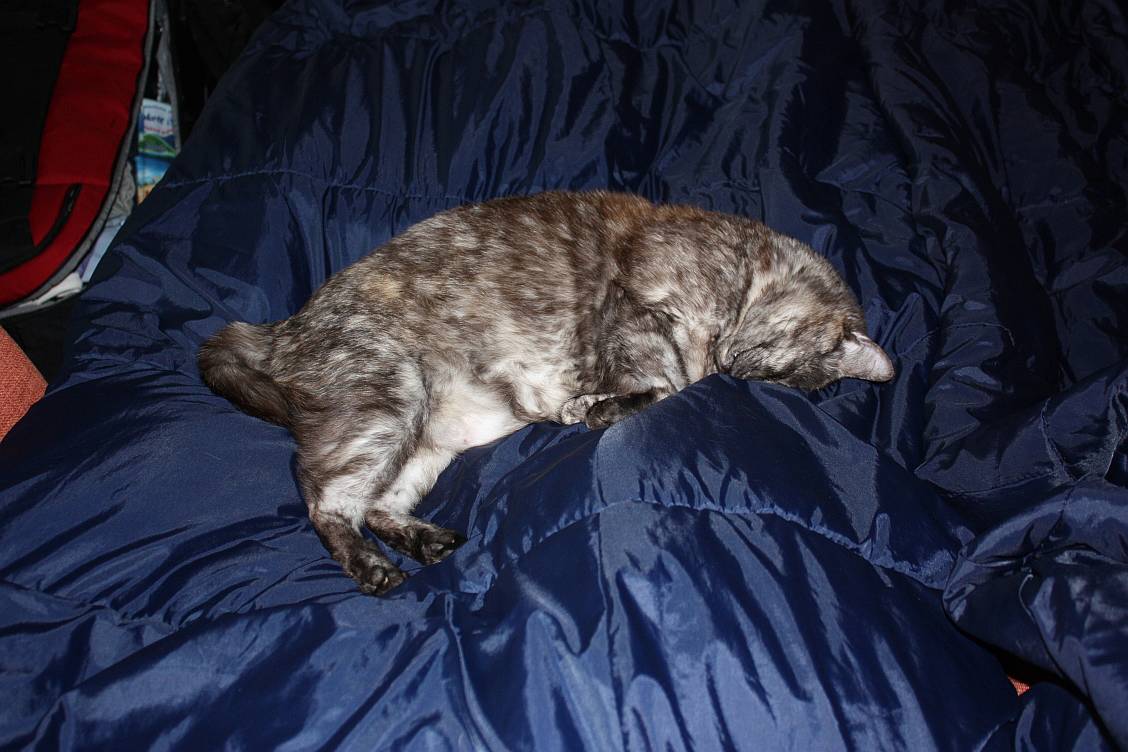
Also, the cat is watching. To make sure I do everything on the list today, of course. Not because she's speculating on something tasty... no.

cat_watching_you
0
APR.
08
0

Friday Link Roundup, With Extra Tulips.

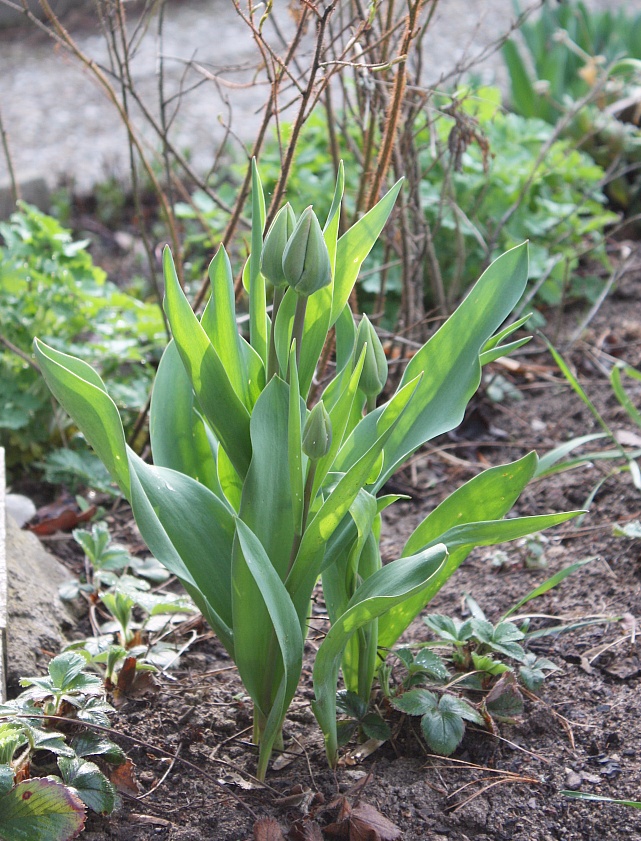
Here's a picture of some tulips in our garden*, slowly getting ready for their big day:

tulips
And a stack of things that I hope you will find interesting:

Here's a story of a remarkable woman - Dorothy Bennett.

Also from Jstor Daily: an article about losing proficiency in your first language through learning a second one. The article mostly focusses on war prisoners, as they tend to be the extreme cases, and it was a really interesting read for me. (I certainly know the symptom of not finding the word I'm looking for in German sometimes, and it's good to know that this is perfectly normal.)

The British Library has digitised all fourteen (fourteen!) of their Roman de la Rose manuscripts, and they are now available online.

Springtime also means lots of birds doing springtimey bird stuff. Some of these guys might not be the fluffy-feathered feelgood folks you expect them to be, though. Case in point? The Great Tit. They can be really aggressive and murderous, as that article tells us.

Finally, there's a mystery bone tool over on the ossamenta blog, and Lena is looking for ideas of what it might be. Maybe you have an idea?

 
* I made said garden stinky, by the way. On the bag it says "all-natural fertiliser". What that means is "cow shit compressed into pellets". It smells accordingly... but I'm hoping the plants will grow better this year, having been treated to the stinky stuff.
0
APR.
07
0

Help keep Prora standing!

History is not always pleasant, and historical monuments are not always aesthetically pleasing, or convenient. Still it's important to keep them so we can remember - and this includes remembering darker aspects of our past.

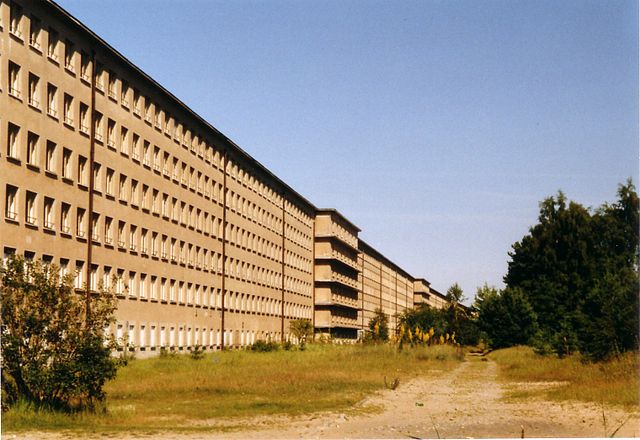
One monument connected to the darker aspects of the German past is the Prora, a seaside resort that was planned and built during the Nazi regime. Prora is located on the east of Rügen, the biggest German island in the Baltic sea, on one of the island's most beautiful beaches.  It's not just a small seaside resort, though - the thing was intended to be huge enough to accommodate 20 000 people at once. Yes, twenty thousand vacationers. In an enormous building.

[caption id="attachment_2342" align="alignnone" width="640"]Von Steffen Löwe - de.wikipedia.org: 17:00, 11. Aug 2004 . . Steffen Löwe Gera ( "Colossus of Prora" seen from the seafront, photo by Steffen Löwe, Public Domain


Obviously, a huge building like that, especially one linked to this uncomfortable time of our past, is going to cause a headache. And these days, not so much is left of the Colossus of Prora.

First, it was partially destroyed by the Red Army. After 1949, five blocks of the building were transformed into one of the largest military bases in the GDR. Between 1949 and 1989, this special place was kept a secret, sealed off from visitors and unlisted on any maps. When the gates finally opened in 1990, artists and creatives were attracted to this affordable, natural paradise and a thriving community was born. More recently, the area has become a popular meeting place for young people and is now the home of several festivals, such as "Her mit dem schönen Leben", "Tag am Meer" and "Her Damit"- Festival.

A few years after the opening of the area, property developers began to convert this precious space to luxury homes and hotels. In the process, many artists were kicked out, traces of history were destroyed and permanent damage was done to the environment as trees were chopped down and fields dug up to make way for concrete parking lots. Today, only Block V remains in public hands and remains an authentic (if damaged) part of the original resort. Scholars have only just begun to study the history of this special area.

Of all the building sections, Block V holds the most significance for German history. It was here that the secret rearmament took place during the Cold War. It was from here that soldiers in 1953 marched off to quell the uprising, and in 1961 begin the construction of the Berlin Wall. During the 1980s, it was from Block V the "hotbed of oppositional ideas” developed – e.g. it held the largest concentration of weapons objectors. The electoral fraud of a local election in 1984 was first revealed here by construction soldiers of the GDR who were, at the time, regarded as "hostile-negative" forces and harassed on a daily basis. These historical events paved the way for the peaceful revolution. In 2010, after years of persuasion by Denk-MAL-Prora (an initiative of former construction soldiers and sympathisers), the state of Mecklenburg-Vorpommern agreed to consider a centre to oversee the preservation of the history recorded in the building here. The walls of the hallways, rooms and other areas are decorated with many murals which are significant to the study of the GDR.

But now, even this final remaining block of the Colossus of Prora, with its vast historical significance, cultural heritage and local significance is under threat by private resort speculators. The decision on whether to privatise the remaining block and convert it into luxury properties is scheduled for May 2 (which, ironically, is the anniversary of the foundation stone for the planned Nazi-Resort). There is reason to fear that the decision will ignore the significant history and cultural implications. The loss of Prora also means a continuation of the powers which seek to whitewash our history and ignore many political errors of the last century. More than just a “Nazi building”, Prora has a rich and important history. It was an active centre of two dictatorships. It held a significant role in the peaceful reunification of Germany and is a testament to the role played by hundreds of thousands of members of the GDR.

There is a petition against this privatisation of the last remaining block currently running. The petition asks for the building to stay a public property, the implementation of a study centre, and the preservation of the architecture and other elements of the complex that have historical significance.

Prora might be an uncomfortable monument, but it is a very important one. Our history and its monuments should be kept for study, not changed into luxury seabathing apartments.

Please help keep Block V of Prora as it stands today by signing the petition here. And, as usual - please spread the word about this!

 
0
MäRZ
24
1

Easter is coming!

0

By accepting you will be accessing a service provided by a third-party external to https://pallia.net/

Kontakt