Status of things here: The cat is lounging on my arms (and half on the keyboard) again, and if I have not cuddled her for too long, I get admonished that her ear needs kneading, or her belly needs rubbing, or that she generally needs some more attention. There's a package waiting to be packed and brought to the post office together with the already-packed one (which will happen very soon), the usual stack of emails to be answered and taken care of, and there are way too many tabs open in my browser. Which, as you well know, means:
Time for a link post!
If you like to look at weird design choices for... stuff, check out the Instagram account "uglydesign". It's curated by two designers who are trying to find the ugliest thing there is (just like the name hints) - but obviously, beauty and ugliness are in the eye of the beholder, and I find some of the things not predominantly ugly, but more "cool in a weird way". (Some are utterly horrible to my personal aesthetic sense, though.)
EXARC has a new section about textiles, with a collection of interesting articles that will be extended with new ones as they come up. I especially appreciate that someone else also writes about the "it depends" thing, something that has come up again and again in my personal research and crafting, and that I think is very important when discussing time needed to do something (which, in turn, is a frequent topic both in Experimental Archaeology and in explaining aspects of medieval or historical craft to the wider public).
Now some bits in German:
Here's an interesting article about how much food gets thrown away in Germany, and how much of that would be avoidable. Especially bread, one of the staples, and considered a Very German Thing Indeed, gets binned in a horribly high percentage. Altogether, a third of the food produced ends up in the trash. A THIRD!!!
We've recently had some more trouble than usual with bread getting mouldy, reasons as yet unknown (different types of bread, or the weather, or contamination of our bread box, or a mix of things, or something else, possibly), and it always makes me really sad to have to throw it away. I have a general tendency of seeing food going bad as a personal failure, and I consider throwing away still-edible things as a kind of disrespect towards all the people who have worked on making this food.
This is a combination that you might call... interesting. On the down side, it leads to much chagrin for every bit I have to bin because it's really not edible anymore, which includes those where there was no way of avoiding the outcome (such as fruit that was damaged during transport and instantly changes from "unripe" to "covered with greenish fur"). It also includes me eating dodgy stuff, or things I don't really enjoy anymore because they have to be used, on occasion. On the up side, it means that relatively few food gets thrown away here, and that I have a good amount of creative approaches to leftover foods and their use.
On to something more positive: A medieval shipwreck was found in a German river, the Lippe. The wreck was found by chance by a hobby diver, and now gets checked out by archaeologists. It's about ten metres long and probably about 1000 years old; whether and how it will be excavated is still being evaluated.
And a last German link - there's an Interessengemeinschaft Zugpferde! I didn't know that until a while ago, when I stumbled across it via an article about sustainability in field- and forestwork. For small fields and in some circumstances, it makes more sense to invest in draft animals instead of trying to go "all western, all modern" and get a tractor, or other machinery. The IG Zugpferde tries to keep the draught horse and draught cattle use alive and offers all kinds of stuff around this - from competitions to workshops and courses to learn how to care for and use draught animals. I'm utterly delighted - and I hope there will be more draught animals in use in the future!
Time for a link post!
If you like to look at weird design choices for... stuff, check out the Instagram account "uglydesign". It's curated by two designers who are trying to find the ugliest thing there is (just like the name hints) - but obviously, beauty and ugliness are in the eye of the beholder, and I find some of the things not predominantly ugly, but more "cool in a weird way". (Some are utterly horrible to my personal aesthetic sense, though.)
EXARC has a new section about textiles, with a collection of interesting articles that will be extended with new ones as they come up. I especially appreciate that someone else also writes about the "it depends" thing, something that has come up again and again in my personal research and crafting, and that I think is very important when discussing time needed to do something (which, in turn, is a frequent topic both in Experimental Archaeology and in explaining aspects of medieval or historical craft to the wider public).
Now some bits in German:
Here's an interesting article about how much food gets thrown away in Germany, and how much of that would be avoidable. Especially bread, one of the staples, and considered a Very German Thing Indeed, gets binned in a horribly high percentage. Altogether, a third of the food produced ends up in the trash. A THIRD!!!
We've recently had some more trouble than usual with bread getting mouldy, reasons as yet unknown (different types of bread, or the weather, or contamination of our bread box, or a mix of things, or something else, possibly), and it always makes me really sad to have to throw it away. I have a general tendency of seeing food going bad as a personal failure, and I consider throwing away still-edible things as a kind of disrespect towards all the people who have worked on making this food.
This is a combination that you might call... interesting. On the down side, it leads to much chagrin for every bit I have to bin because it's really not edible anymore, which includes those where there was no way of avoiding the outcome (such as fruit that was damaged during transport and instantly changes from "unripe" to "covered with greenish fur"). It also includes me eating dodgy stuff, or things I don't really enjoy anymore because they have to be used, on occasion. On the up side, it means that relatively few food gets thrown away here, and that I have a good amount of creative approaches to leftover foods and their use.
On to something more positive: A medieval shipwreck was found in a German river, the Lippe. The wreck was found by chance by a hobby diver, and now gets checked out by archaeologists. It's about ten metres long and probably about 1000 years old; whether and how it will be excavated is still being evaluated.
And a last German link - there's an Interessengemeinschaft Zugpferde! I didn't know that until a while ago, when I stumbled across it via an article about sustainability in field- and forestwork. For small fields and in some circumstances, it makes more sense to invest in draft animals instead of trying to go "all western, all modern" and get a tractor, or other machinery. The IG Zugpferde tries to keep the draught horse and draught cattle use alive and offers all kinds of stuff around this - from competitions to workshops and courses to learn how to care for and use draught animals. I'm utterly delighted - and I hope there will be more draught animals in use in the future!
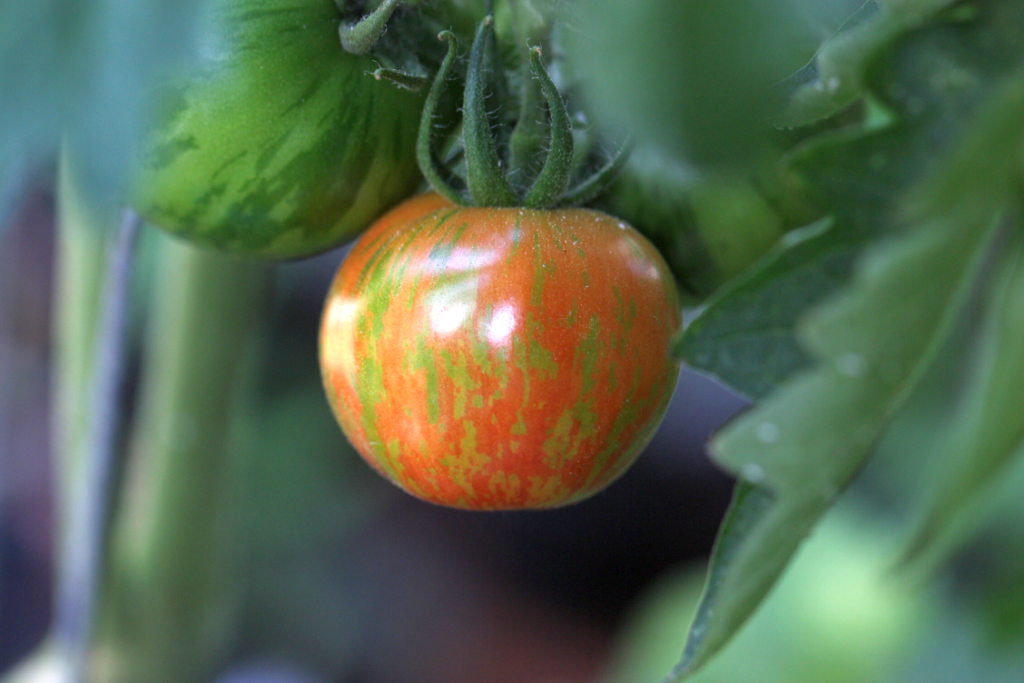
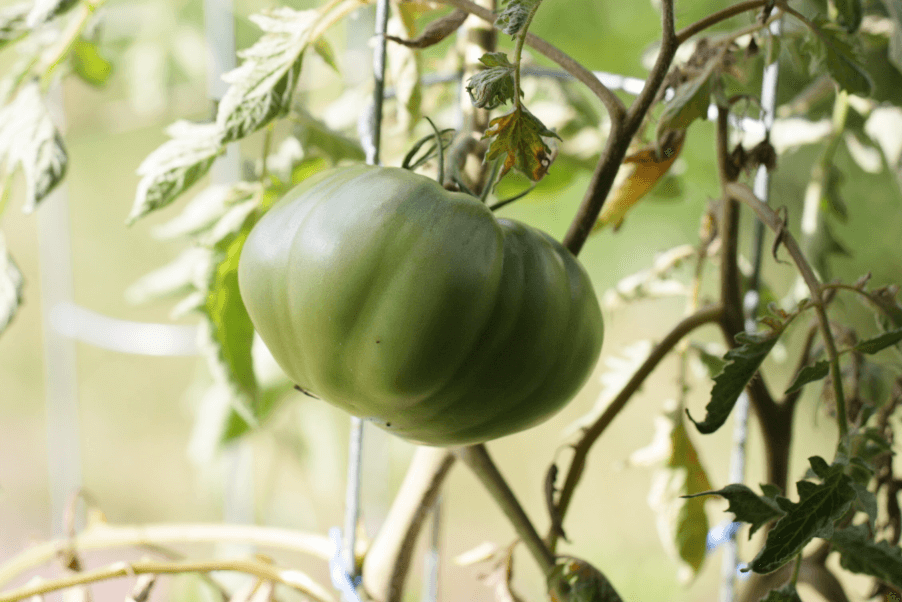 Sibirische Fleischtomate!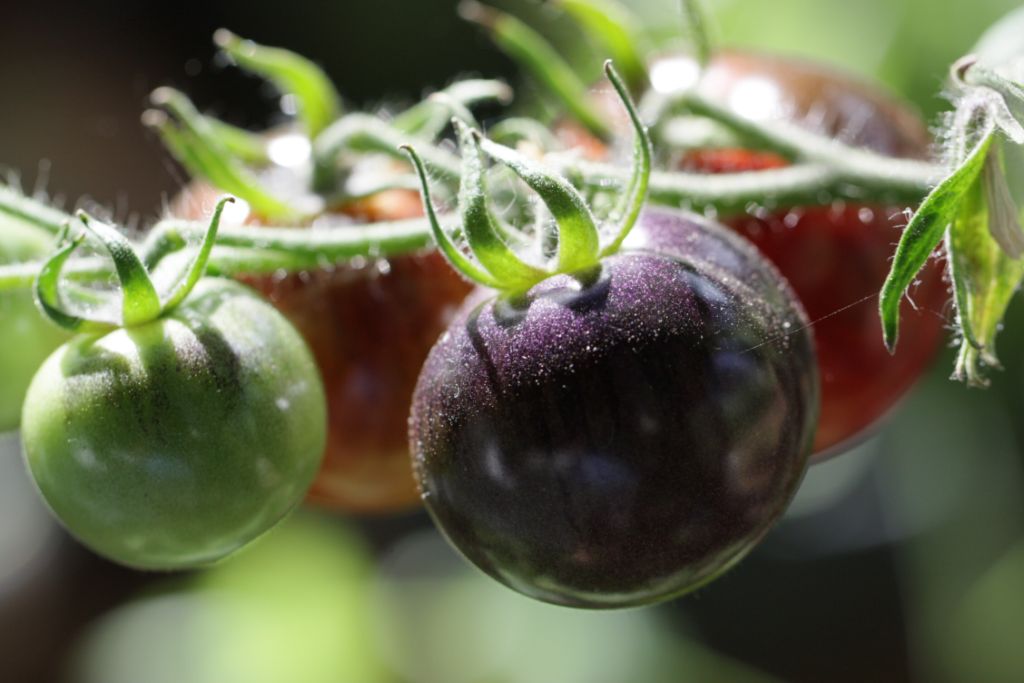
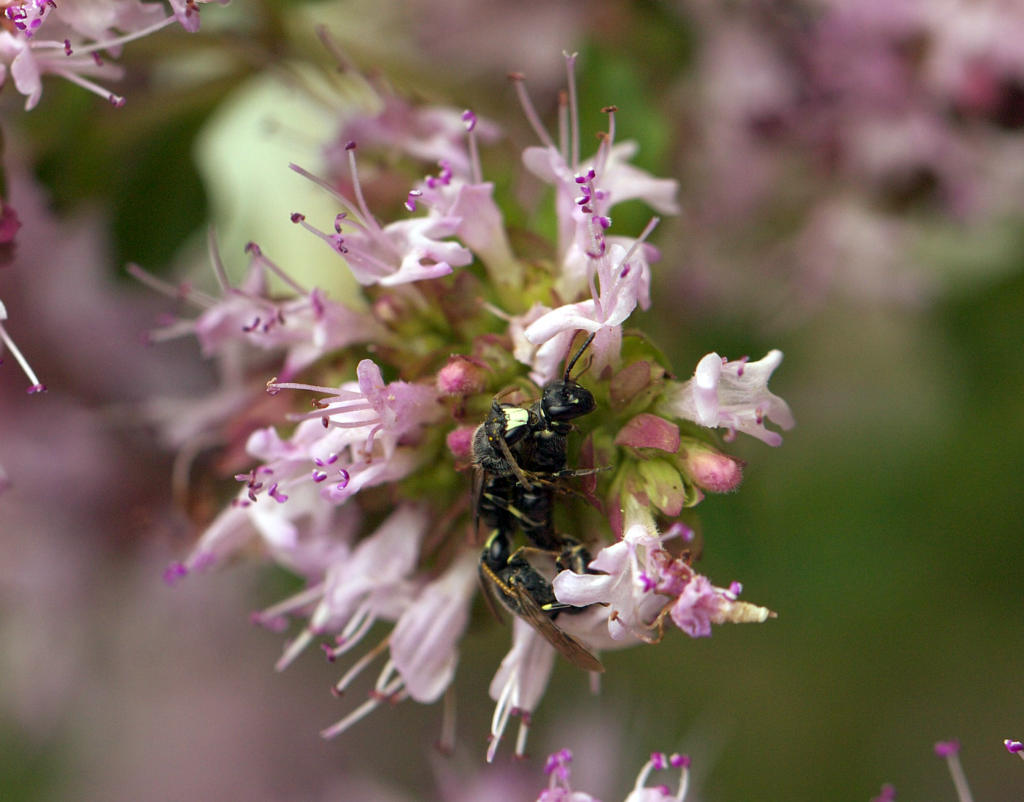
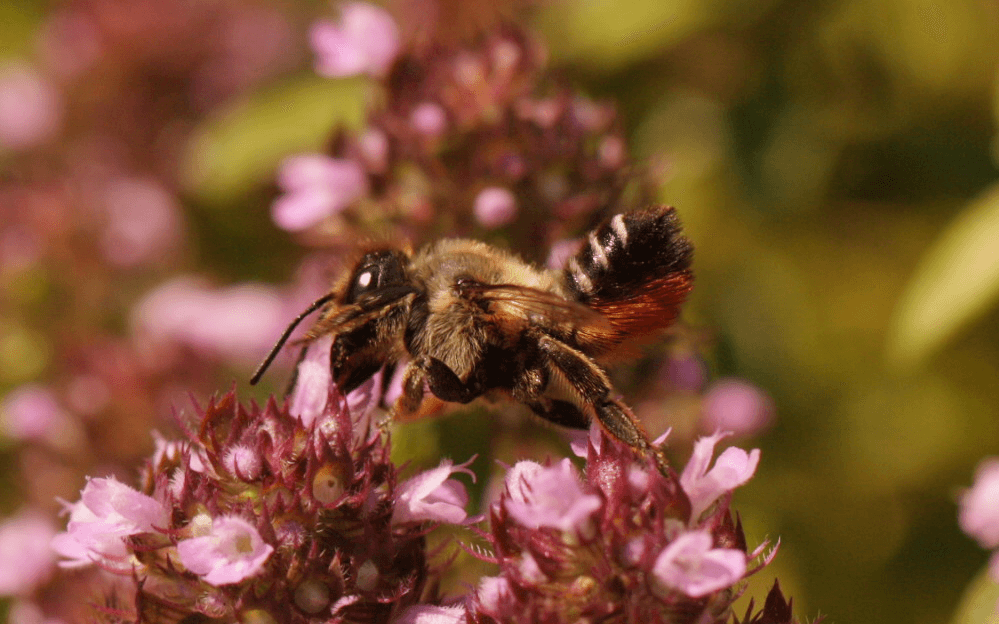
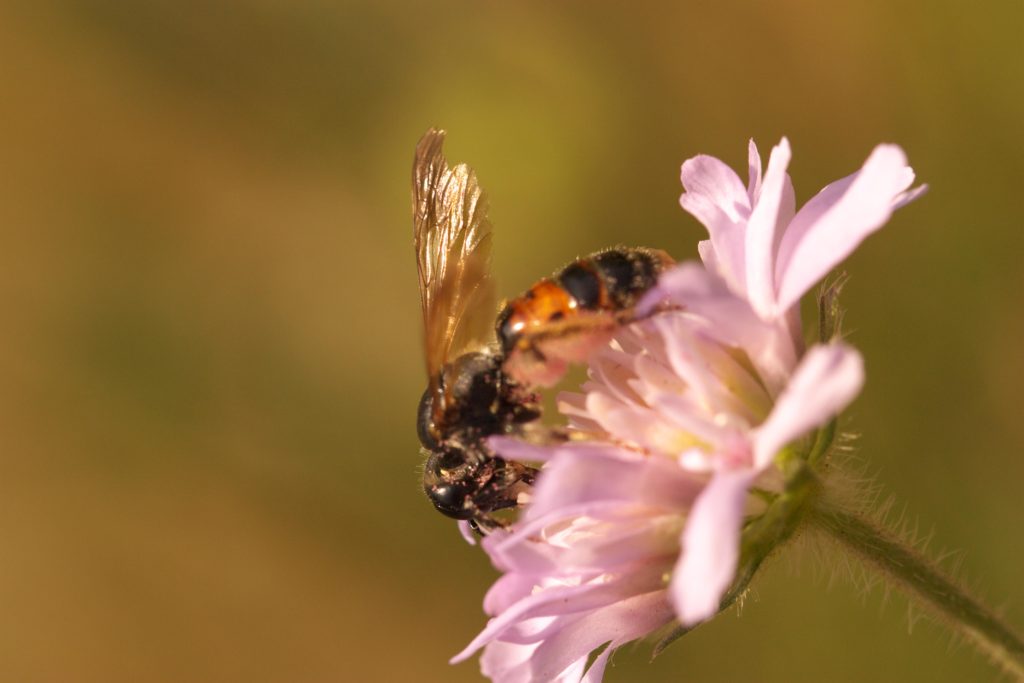
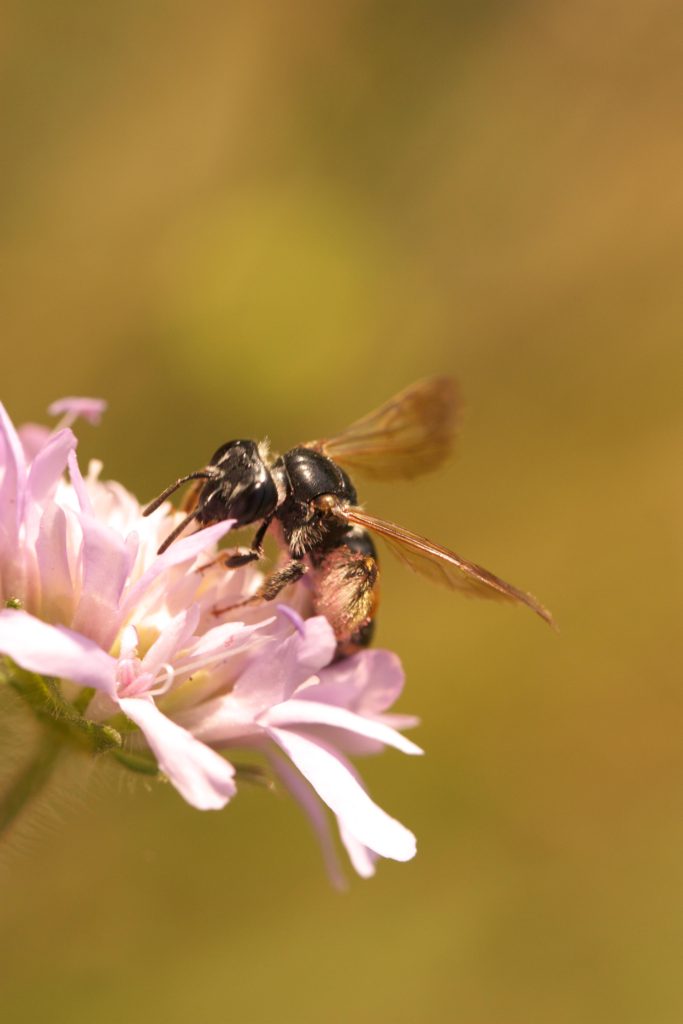
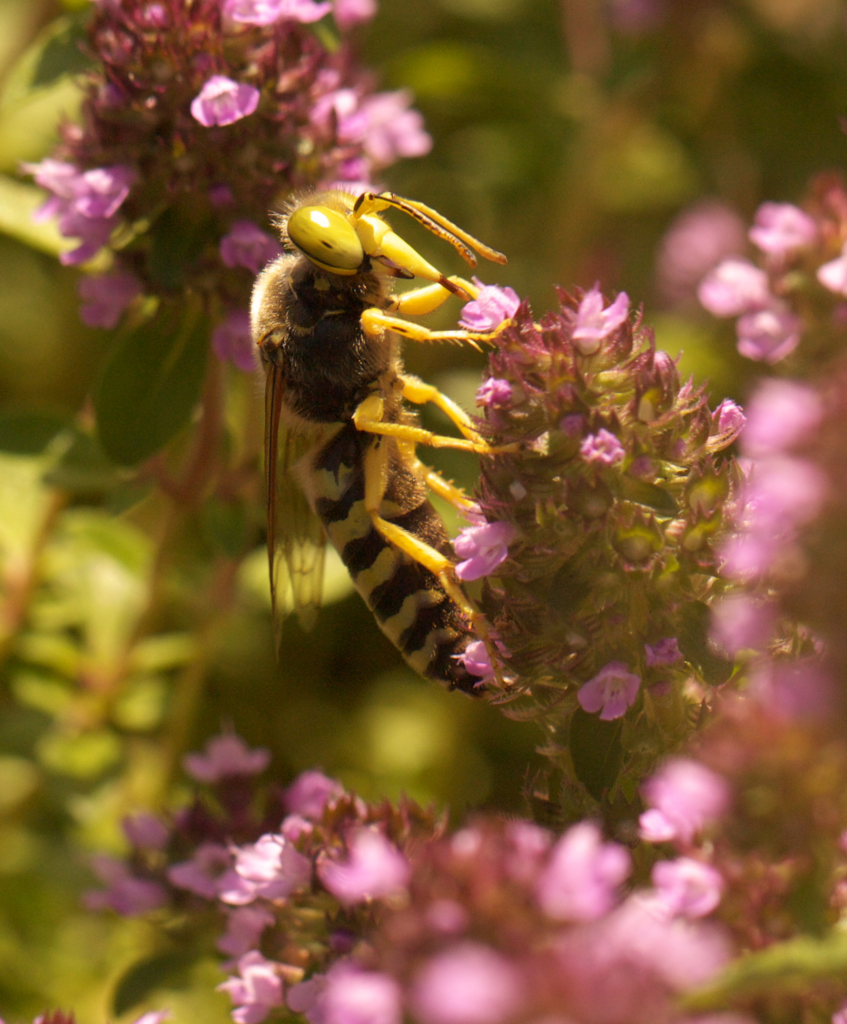
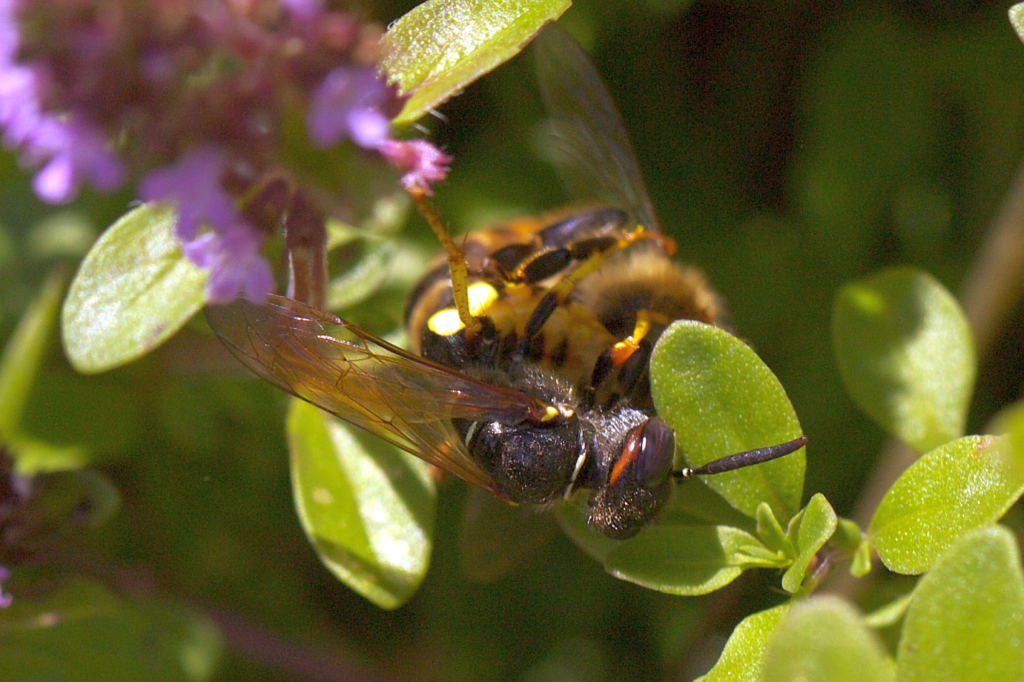 A wasp in a fight with a bee of some kind, probably trying to get some food for her young. (Both of them, in fact, were probably trying to get some food, but only one will go home successfully...)
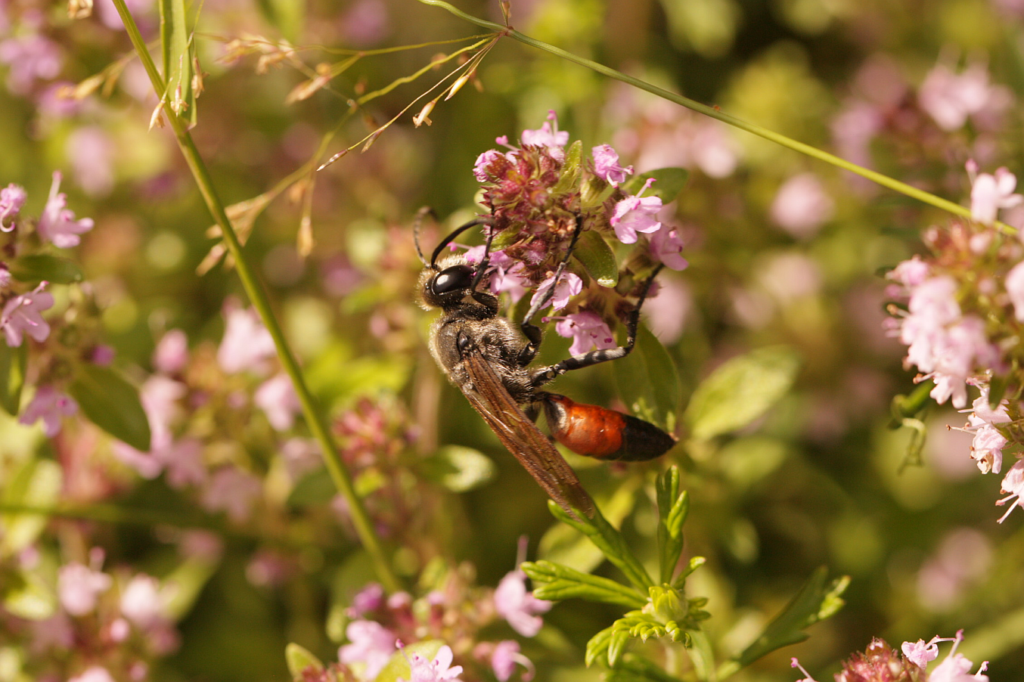 Some kind of wasp, as yet unidentified. There's lots of wasp-like insects with a red and black abdomen, as I've learned! It was about 3 cm in length, so fairly huge.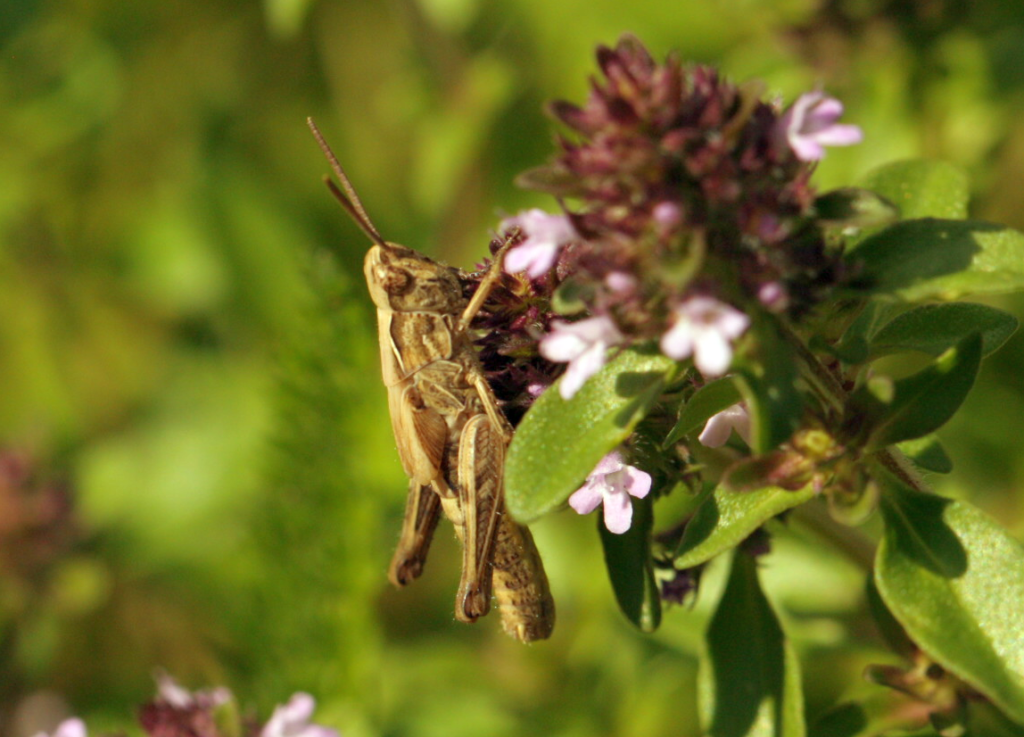
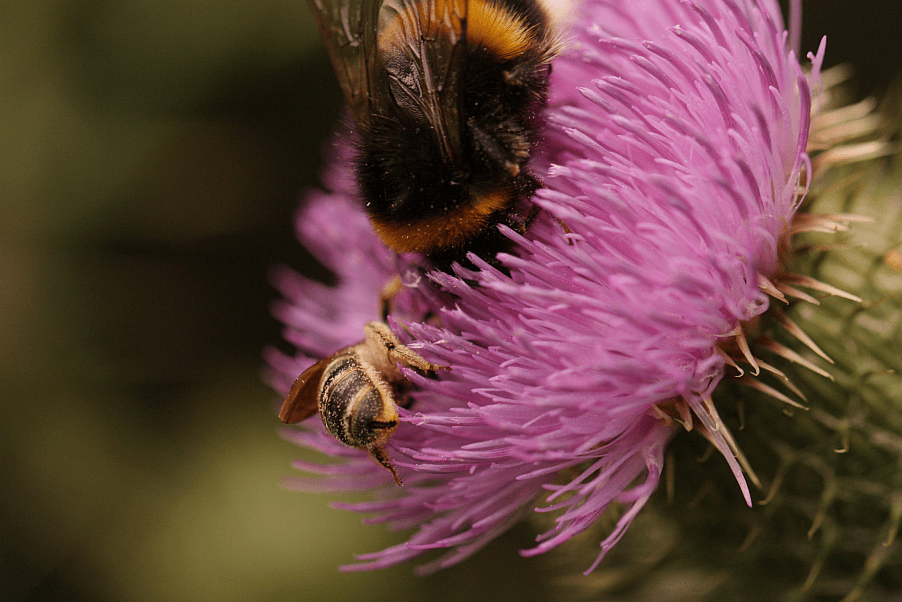 Gelbbindige Furchenbiene,
 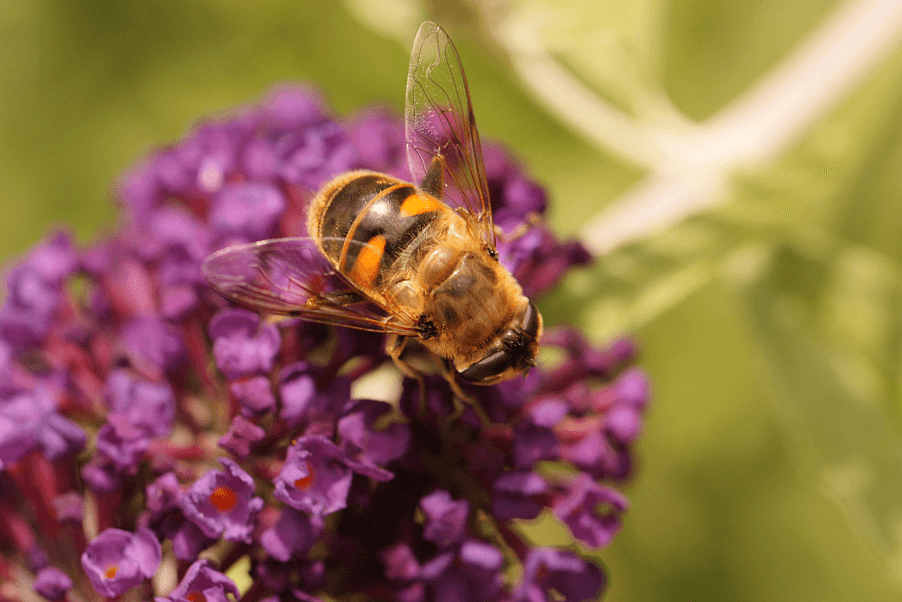 Probably