Latest Comments

Guest - Aislinn Dyestuff Citizen Science.
09. Oktober 2026
This is a great project. I look forward to the results. Thanks for letting us know.
Guest - Aislinn Time for...
09. Oktober 2026
Looks delicious!
Guest - Katrin Sprang Discussion
18. September 2026
Hi Rachel, I have looked for more photos of you, but that was not very successful. I found a link on...
Guest - Beatrix Sprang Discussion
15. September 2026
That lozenge pattern element is not a photograph, but a scan. So it should be to scale. But I pinned...
Guest - Katrin Sprang Discussion
15. September 2026
I was not referring to Rachel's reconstruction (is the reconstruction you refer to the one photograp...
APR.
22
2

It's a Bar!


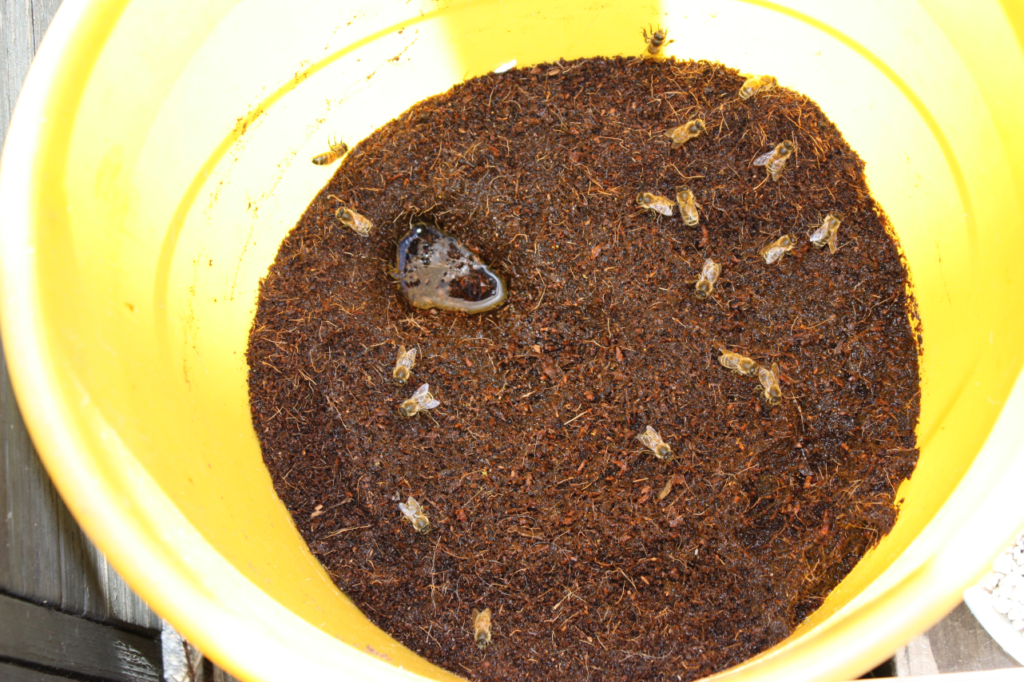
Our neighbour has acquired a hive of bees. It's sunny and quite dry. I've "activated" (as in "soaked") a block of coconut fibres in a plastic bucket a few days ago, to mix with soil for potting plants.


These three things, together, have resulted in this:


These are bees, probably mostly from the neighbour's hive, having a drink. Actually not only having a drink, but filling up with water to carry back to the hive, to liquify food, be able to digest pollen, and to cool down the hive if necessary.


Which means I've been watering the bee-bar every morning now - and I have the pleasure of lots and lots of bees keeping me company when I sit right outside the wintergarden, where the bucket stands, having a break!

0
APR.
18
0

Paper or Plastic, That Is The Question.


Trying to live a green-ish life can be a challenge - sometimes because it takes more effort to do the green thing, or more time; sometimes because it's more expensive, or means that you have to opt for an alternative that will work, but not be as satisfying as the original; and sometimes just because it is hard to know which choice is the greener one.


Take, for instance, electric cars. Yes, burning fossil fuels is not the solution - but with the current electric cars, batteries are a huge issue. Producing batteries takes a lot of energy and ressources, so it does take quite a while for an electric car to become greener overall, regarding its complete environmental impact, than a regular fossil-fuel car driven in an eco-friendly way. And that only if you fill up your batteries with electricity exclusively from renewable sources.


There's a similar thing when packing stuff. Plastic or paper bags? At first glance, you'd think that a paper bag would be the greener choice by far. Unfortunately that is not the case, as manufacturing paper bags and even recycling paper is consuming quite a lot of energy and water as well. So paper and plastic bags... both not a good choice, though if you are using it only once, a lightweight plastic bag might even be the lesser evil.


While we're at the topic of plastic and it maybe causing more good than harm, here's an interesting thing from the BBC about plastic packaging, especially of food items.


The thing that irks me a little in these reports and assessments: It would be perfectly possible to use energy from renewable sources to produce paper bags, and while the reports mention that the trees could stay un-felled and absorb CO2 instead of becoming paper bags, they don't mention that plastic is made from a finite ressource. So it does, overall, sound a little bit biased to me.


It would also not be so necessary to have plastic packaging for food if they are produced, sold and consumed locally. Which, obviously, is not possible for all kinds of fruit and vegetables - but buying locally from a farmer at the market will usually get you fresh produce at a fair price, and with little to no packaging. Especially if you re-use the bags you have, whether that is cotton, paper or plastic. As the plastic bags today are mostly very lightweight, it's easy to just stuff one or two into your handbag or bike pannier or whatever else you carry with yourself on an ordinary day, for impromptu shopping stuff. (It never hurts to have an extra bag in the bag. Just like a spoon. Both totally belong in any handbag, if you ask me.)


So... I'm trying to buy things with as little packaging as possible. Which means I am trying to avoid plastic even more than paper, though, as I think that the environmental impact of microplastics and the problem of the non-renewable basis for this are still factors that speak for paper instead of plastic where packaging must be used. The bags that do land in our home are reused - paper bags from the bakery store dried bread leftovers that will be turned into delicious dishes a bit later, or - most of them - become bin liners for the compost bin. Plastic bags are re-used several times for packing things, like fresh produce bought at the market, until something really dirties them up or until they develop holes so they are not useful anymore. Some get a last call to duty as the kitty litter bag... which actually is one of the few things that would be a hassle without plastic bags.


So... what's your stance on plastic or paper bags?

0
APR.
15
0

Flowers Galore!


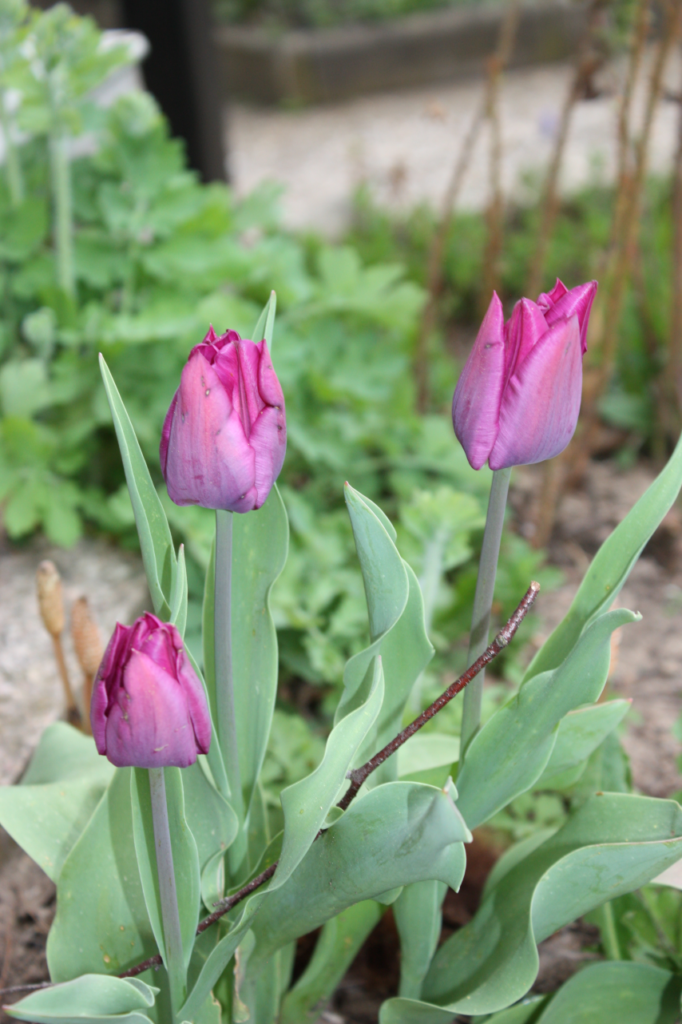
Spring has really sprung now, and there are flowers, flowers galore in the garden. Here's picture proof, first of the first tulips:


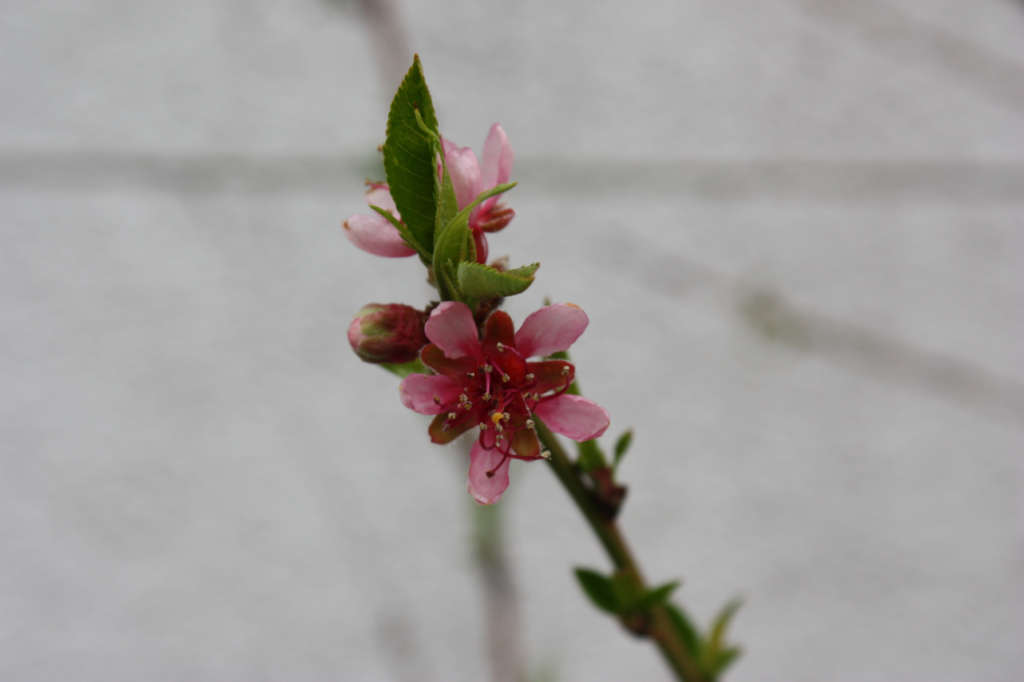
The peach tree is also flowering nicely:


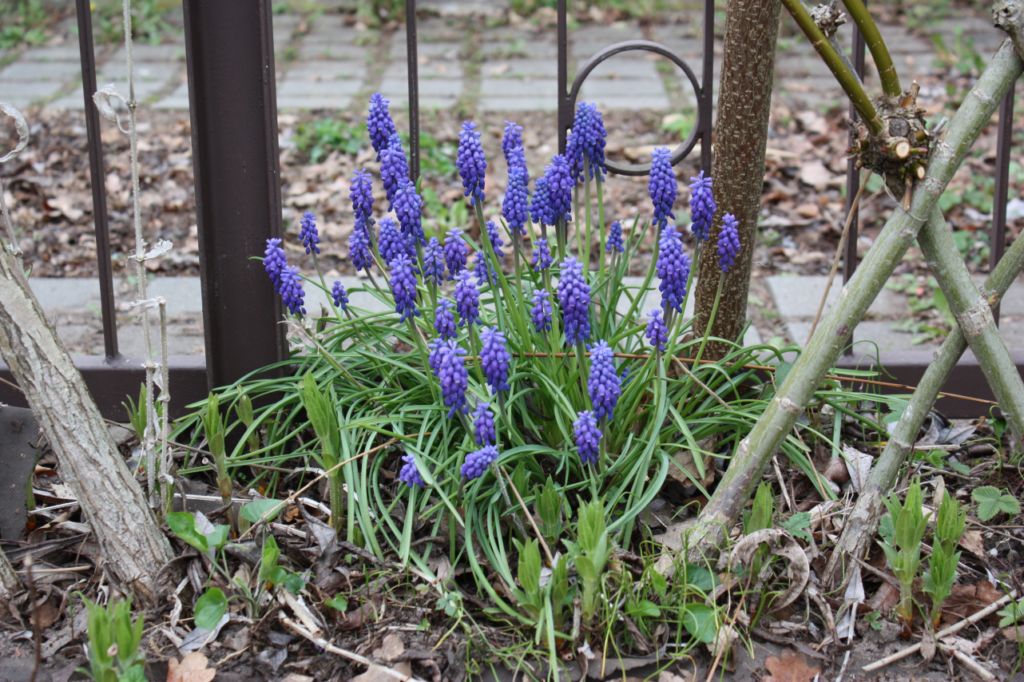
... and the hyacinths are doing a good job of adding some blue to the flower beds. Which I much appreciate, with blue still being my favourite colour!


0
APR.
10
1

Easter is Nigh.


Easter is coming up. That festival of eating eggs (lots of eggs!), both chocolate and chicken-produced. When everybody is happy about spring finally being in full spring, and winter being over.


So, in preparation, here's two things:


Openculture writes about killer rabbits in medieval manuscripts. Yes, the Monty Python Killer Bunny is not completely made up - there are Evil Rabbits of Megadoom abounding in manuscripts…


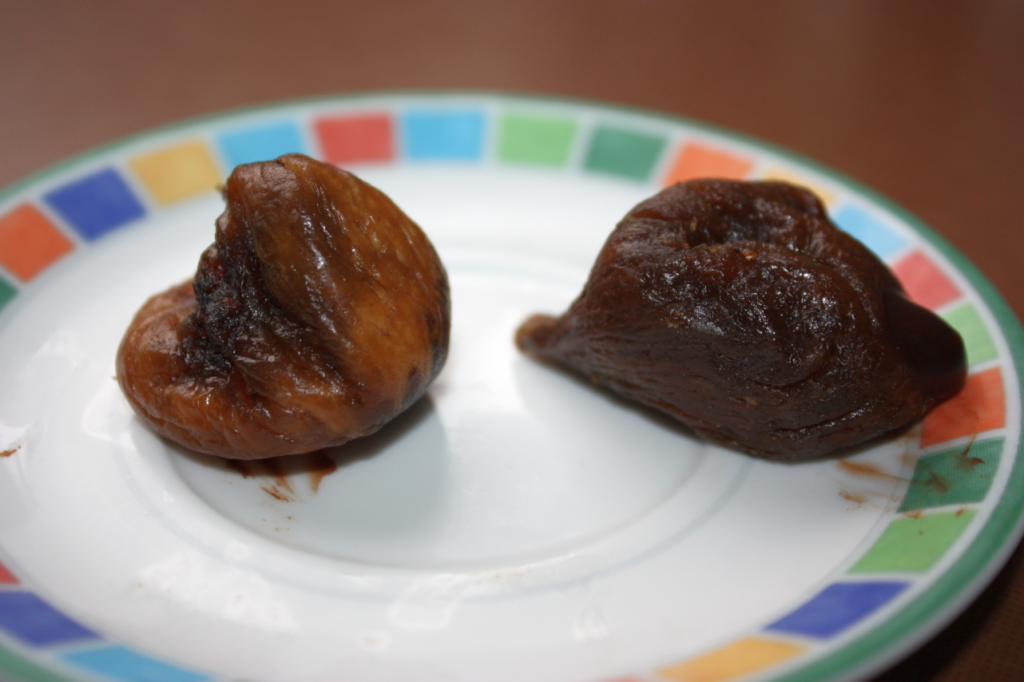
The second thing? It's in case you would like to make some weird, relatively quick-to-make confection that can be eaten at Easter. Or at any other point in the year, actually - it's just my excuse to post this now. I call it "Inflated Figs" and it works like this:


Buy cream, dark chocolate (a good, yummy kind, not the cheapest, please), and soft dried figs. You'll also need a pot and a piping bag with either a filling nozzle or a slim nozzle with a small opening.


Put some cream into a pot and gently heat; add an equal-weight amount of dark chocolate and stir until completely mixed. You should have a thickish brown sauce-like ganache as a result. Spoon your ganache into the piping bag. Insert the nozzle into a fig and press the warm ganache into the fig until it inflates. Repeat until running out of figs, ganache, or both. Place in the fridge to cool, and it's probably best to also store these in the fridge for as long as they will last - if, in case you are like me and love both figs and chocolate, might not be very long.


They're not looking like much - but trust me: They are delicious!


If you have ganache left over, you can whip it up, put small mounds on it on top of cookies, and serve that as a dessert in its own right, by the way. Or use it to glaze a cake... in case you need an excuse for some cake-baking!

0
MäRZ
19
0

It's... Lent.

I'm a little late to the party talking about things that one might do during Lent, seeing that it's already more than a week since Ash Wednesday - but better late than never, right?

Fasting times such as Lent is one of the things that fascinate me in a way as they are obviously a religious thing, but can also have a very practical aspect. This time of year is one of scarcity - before we had canning plants and freezers and large climate-controlled storage facilities and an overall abundance of food available all year round, the time of year just before Spring proper was when food supplies were running out, but there was little or no fresh food available yet. So having a period of fasting with severe food restrictions in this time of year was actually less of a harsh restriction than it would have been at other times.

It does still serve, however, as an opportunity to look again at what one has, and what one may eat and drink. In turn, the release of the restriction still means some extra enjoyment and festive feeling when Easter comes around (with fresh foods as well) - so the period of restriction enhances the impact of the feast, helping everyone appreciate what is available again.

In our modern days, there's no scarcity due to the season anymore, so the restriction for Lent might feel harder today. On the other hand, having a restriction with more impact probably does a better job at reminding how comfortable life usually is - which is also why quite a few modern people do not follow the "traditional" Lent rules, where there is no meat allowed, but make up their own fasting rules. One of the quite popular choices is to drink no alcohol during this time, another to forego all sweets. The idea behind this is that something convenient, or dear, is given up for a while; something that feels hard to give up, as a form of penitence.

The BUND Naturschutz (which is one of the eco organisations in Germany) has taken this year's Lent as an opportunity to ask people to "fast plastics" instead of alcohol, or sweets, or meat (or, of course, in addition to that). Plastics, especially single-use plastics, are everywhere in our consumer society, and they pose a huge environmental problem. So the BUND asks us to look at what we buy, and use, with an open and critical eye for this Lent period: Is the stuff packaged in plastics? If yes, is there a way to avoid it? Maybe something packaged in plastic can be made at home, with little effort and for less money than when buying it; maybe avoiding plastic is as simple as bringing a canvas bag; maybe it's just choosing another brand. Some things, such as milk, are available both in a tetrapack and in glass bottles; yoghurt can be bought in glass jars instead of plastic tubs.
While there are some people who actually try to go "zero plastic", I find it really hard or impossible to non-plastic in some cases. So I still buy some plastic-wrapped stuff - but I am trying hard to reduce it, and even if I am still creating quite a bit of waste this way, every single bit of the stuff that is not used helps.

So... are you fasting? If so, what? Or trying to reduce plastic? Or both, even?
0
MäRZ
13
2

Germany and Speed Limits.

If you are (or have been) in Germany, and drove a car, you will probably have made your acquaintance with it. If you've never been to Germany, chances are high that you have at least heard of it, and probably tried to imagine how that works...

...I'm talking about the lack of a speed limit on the Autobahn.

German Autobahn has no universal speed limit. So if your car goes insanely fast, you are allowed to go insanely fast. 300 km per hour? You're good to go.

Unless, of course, there's a speed restriction because of construction. Or because of a dangerous bend. Or too dense traffic. Or noise prevention. Or rain. So a good amount of the Autobahn is actually limited in speed (though there's also a good amount of drivers who just don't care about that, and go over the limit anyways).

In those areas where there is no restriction, you can go as fast as you like, provided you endanger nobody else. So if there's more traffic... well. You are supposed to slow down to a safe speed. Actually we do have the "Richtgeschwindigkeit", which is the recommended speed, and that is 130 km/h. Which, of course, is not the speed for lorries, as they are only allowed to go 80 km/h (which means they do about 90-110, depending on what they can get away with).

So driving on the Autobahn in areas with no speed limit means that you will have to overtake a lorry, or several of them, now and then - and that while you are in the left lane, something may come toward you insanely fast, much faster than you are.

That difference between speeds actually is what makes the Autobahn both more dangerous and, ironically, more prone to traffic jams that hold up everything - because these very fast cars have to brake hard when there's some slow driver (like me!) blocking their path, and that always means they slow down more than to just the speed of the car before them. If you get this a few times in a row (which is no problem on a medium-busy Autobahn), you have a so-called "Spontanstau", a traffic jam rising out of nowhere... which would be completely avoidable through, you guessed it, a universal speed limit.

There's a lot of solid, nice evidence for the general smartness of a general speed limit, and most countries have one. It means lower impact on the environment due to less emitted CO2, fewer traffic jams, and more safety as the number and severity of accidents drops. (Here's some info in German about this.)

Unfortunately, there is a strong lobby in Germany that does not want the German Holy Cow to be restricted in any way - and that includes speed limits. (About as smart as US weapon law... but I guess every nation has their brain fart.) I once got rid of a car club membership salesman in record speed when I told him I'd join their club in the split second they started advocating the general speed limit on the Autobahn. He was gone at high speed!

There is, by the way, one "car club" that does promote the speed limit - it's the VCD. Which also offers an accident and breakdown cover that not only applies to the car, but also to your bicycle, should you be on a cycle tour. (We're members. You guessed that, right?)

If you are in Germany, you now have the chance to join in on a petition to finally get a universal speed limit on the German Autobahn. There is an official petition running at the e-petition portal of the Deutscher Bundestag; you will need to register for that portal once, and then you can add your vote to the petitions listed there.

If you, too, think that this is a good idea - please spread the word!
0
FEB.
20
0

Spring is Coming!

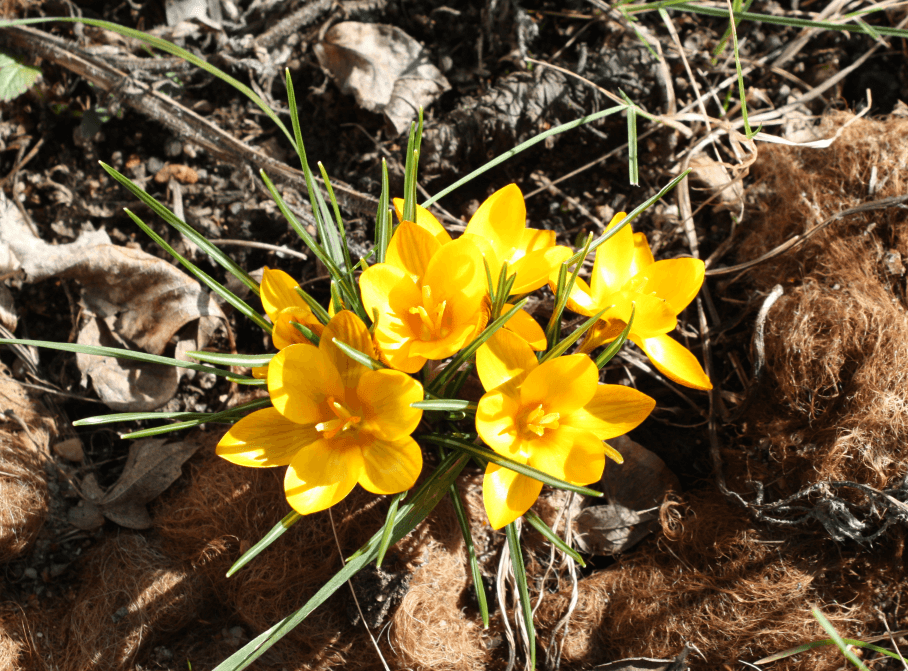
At least early spring is - as these guys in the garden stand testimony:


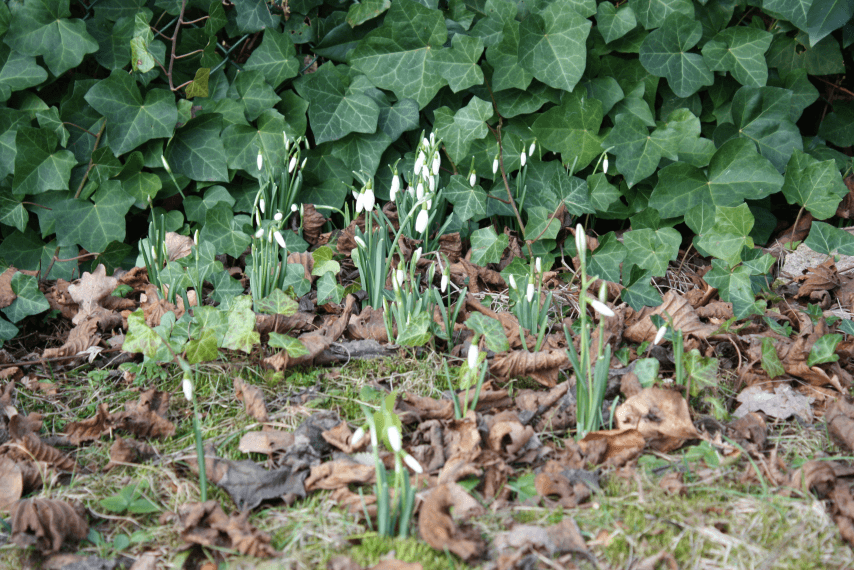
The crocus, as usual, is the first to go bloom. The snowdrops sit in a more shady part of the garden and will need a few more days, but they are obviously also getting ready:


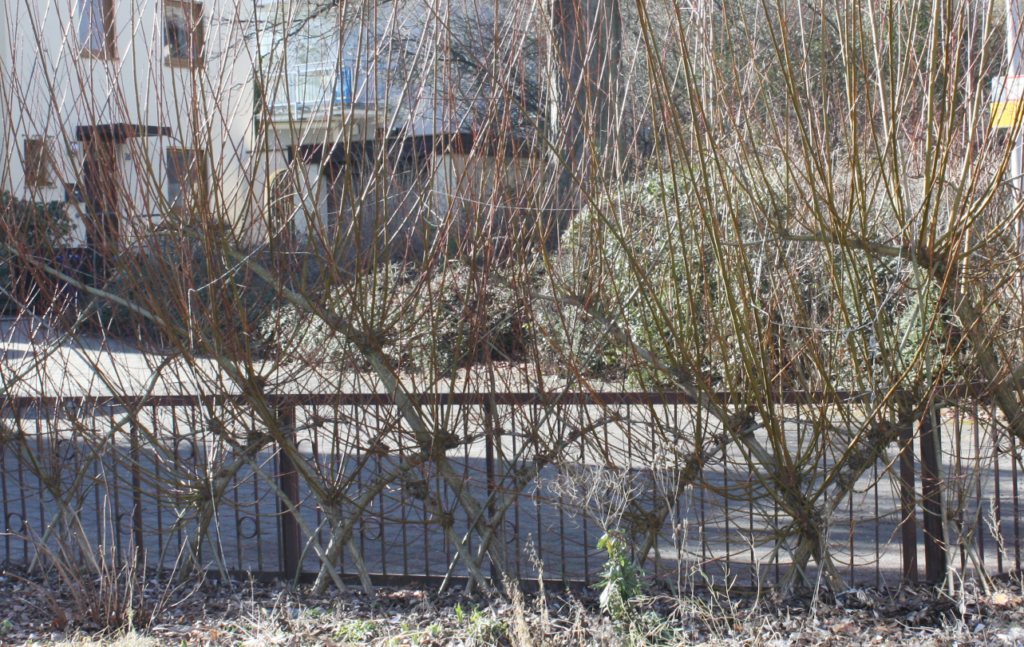
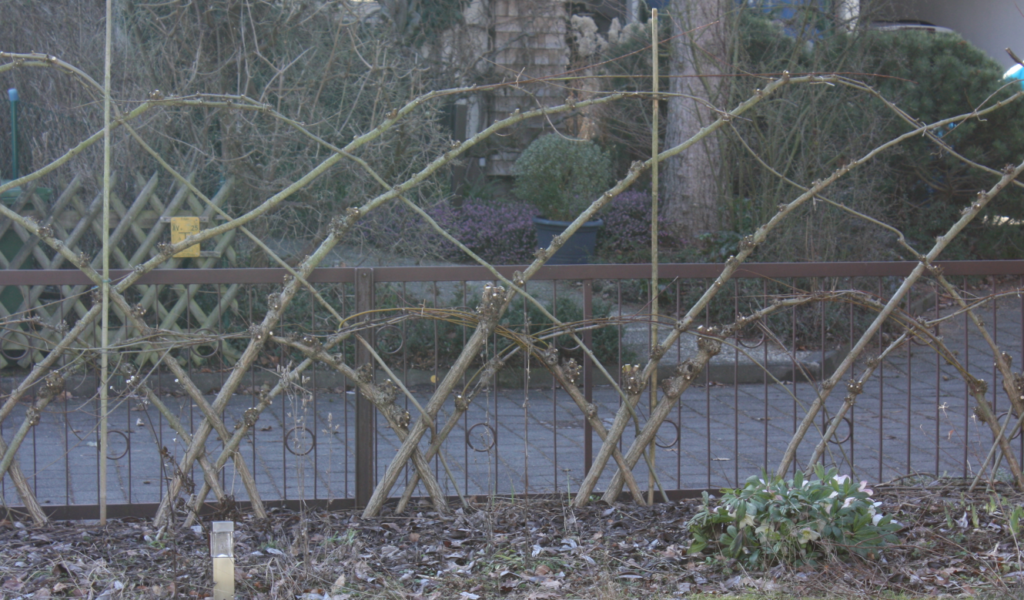
Early spring also means it's willow-pruning time, and our fence goes from its wild winter stage, which looks like this:


to being all bare of withies, ready to make new ones when spring truly comes:

0

By accepting you will be accessing a service provided by a third-party external to https://pallia.net/

Kontakt