Latest Comments

Guest - Max Mustermann The True Cost of Driving a Car.
06. November 2026
Great breakdown — the non-fuel costs are exactly the bit most people forget when they compare cars. ...
Guest - Harma Phew. Now it gets involved!
21. Oktober 2026
Have fun at these events.
Guest - Aislinn Dyestuff Citizen Science.
09. Oktober 2026
This is a great project. I look forward to the results. Thanks for letting us know.
Guest - Aislinn Time for...
09. Oktober 2026
Looks delicious!
Guest - Katrin Sprang Discussion
18. September 2026
Hi Rachel, I have looked for more photos of you, but that was not very successful. I found a link on...
FEB.
17
1

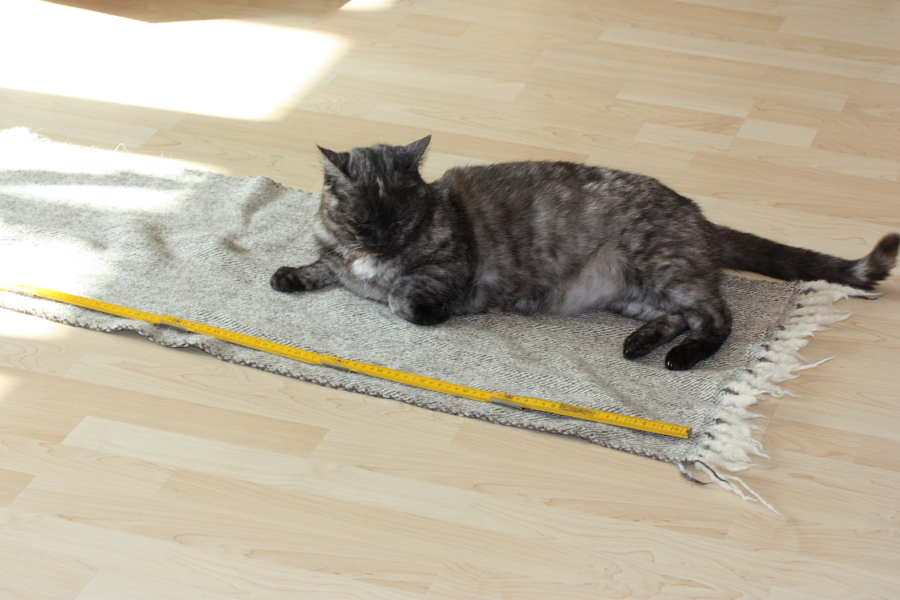
Cat approved!

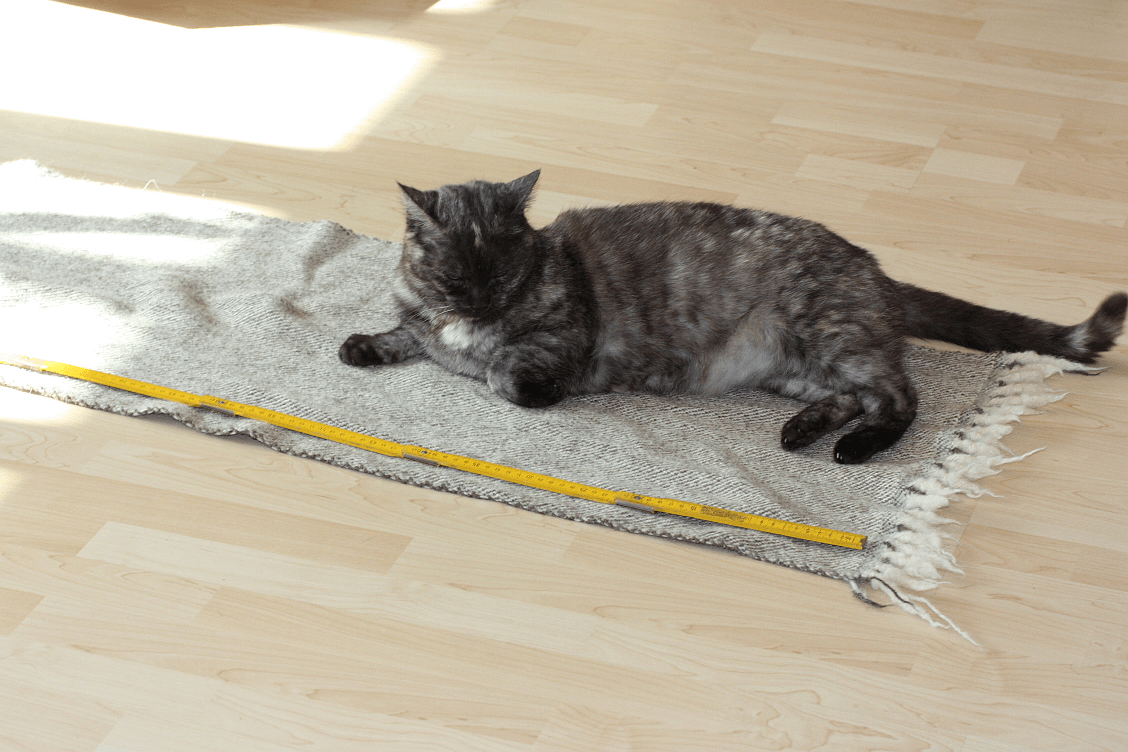
I forgot the most important thing about the sailcloth in yesterday's post... it has been cat-approved, as you can see in the picture!

catapproved
The cat, of course, had to lie down on it when I placed it on the floor to measure out how much it has shrunk during fulling. Obviously it is acceptable as a catplace. (I'd cuddle into that cloth at any moment, too - it really feels wonderful, thick and warm though sturdy.)

Measurements, by the way, changed from 251 cm in length to 235 after washing to 230 after fulling; width shrunk from 52.5 straight off the loom to 48.5 after washing to 43 after fulling. It was relatively gentle fulling, I could have done more - but my sources say "lightly fulled" only.
0
FEB.
16
1

A nice little walk.

Yesterday was, again, a beautiful day, so I went for a walk. For about an hour. In the bathroom.

You probably guessed it - my walk took place in warm water with a little soap and with the piece of sailcloth under my feet. Here are the results - first, the cloth straight off the loom:
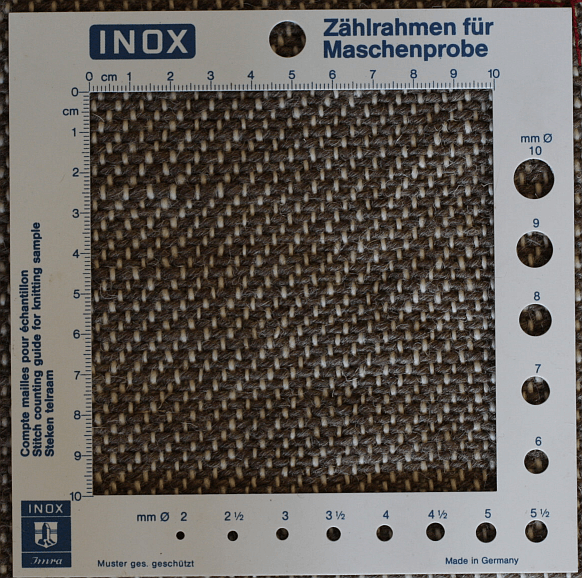
segel_roh
and after having been washed once, gently,
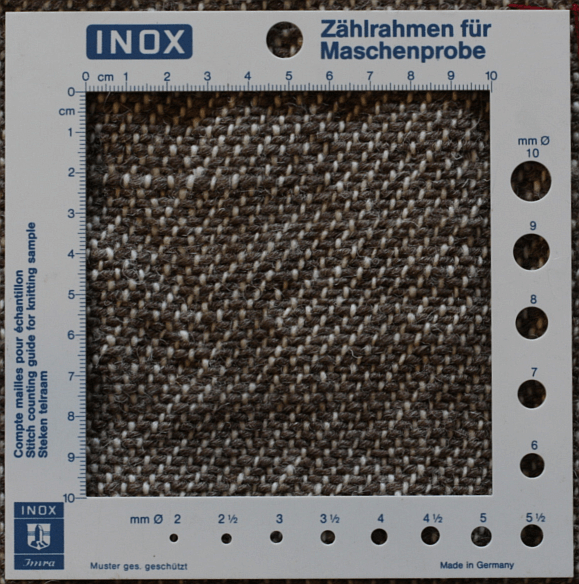
segel_gewaschen
which did not make too much of a difference, and finally after fulling by foot:
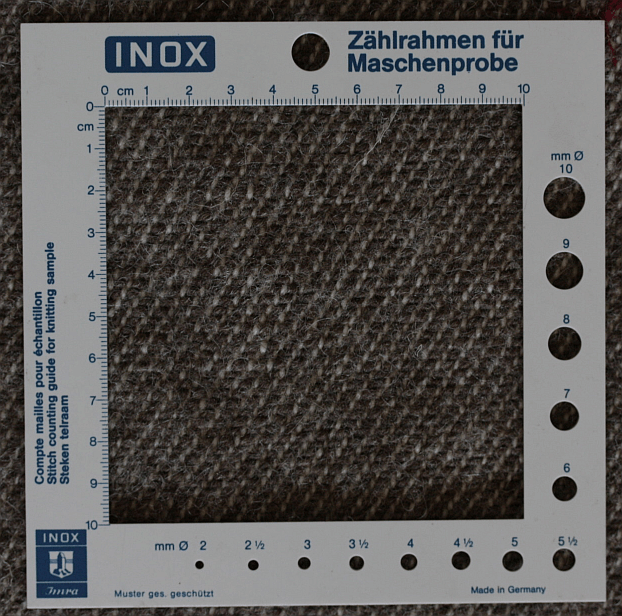
segel_gewalkt
The comparison pictures are taken from the exact same spot (I stitched a marking angle with red thread into the cloth, you can just discern it in the upper right corner next to the frame thing). It's fascinating how the cloth changes by fulling, and it is not only the optics; it now feels somehow fuller and stronger yet with a soft, fluffy finish at the same time. It has shrunk a little, though not very much, and from my first rough counting it fits exactly in the approximate 5 to 4 threads per cm that it should.

So... whew. Second of three pieces of cloth done and finished, and just as it should be. Now it only needs to be cut into the pieces required by the museum and hemmed - nice work to do while sitting in the sunshine!
0
FEB.
15
0

Old things, new open access.

Occasionally, really cool things happen in this world... such as the Met making its images all open access. That means 375,000 images of public domain works to share, remix, or use in any way you want to, under a Creative Commons Zero license.

This is wonderful!

You can go read more about the open access here, and here is the starting page for image and data resources so you can go have a rootle. They also have an extensive list of publications that are available online and for free, and you can find those here.

And I think the Met now has a few more people loving it...
0
FEB.
14
5

Hah. Blocking.

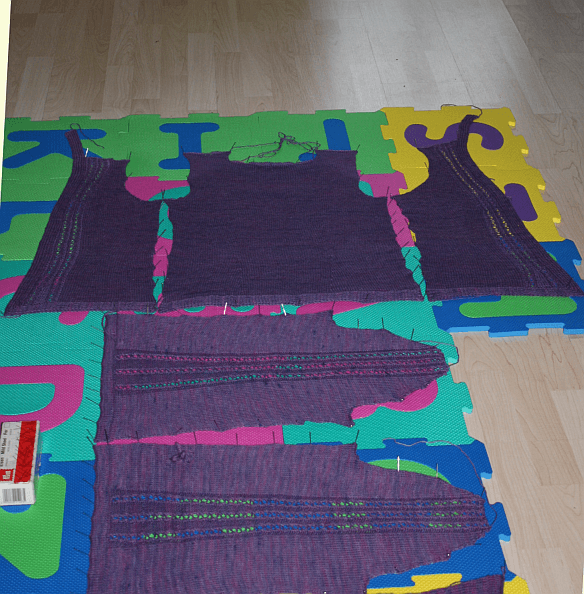
Now, finally, after hanging out for a while, they have been soaked and patted in form and stuck with pins:

blocking
My very first sweater. Once it's dry, I get to sew it together (exciting!) and then I'll get to find me some nice buttons for it. Yay!

(It's Vignette, modified a bit regarding the fit.)
0
FEB.
13
0

Cool things.

Chickens are nice. They are good-looking, they make funny noises, they lay eggs and they taste lovely. They've also been in close contact with humans for a long, long time, and there's a project looking at that relationship: Cultural & Scientific Perceptions of Human-Chicken Interactions. There's also been a conference on that topic: Chickens and People - Past, Present, and Future. If that sounds interesting, go cluck, erm check that out.

But maybe your love tends to flow somewhere else. Or not at all, though somebody is trying to valentine you - in that case, you might find the necessary inspiration for a reply in the Victorian Valentine Verses to Reject Unwelcome Suitors.

Finally, if you'd like to see what my friend and colleague Margit from Alte Künste is doing, she was interviewed for a podcast last year, and you can watch it here on Youtube.
0
FEB.
10
4

The Human Factor. You're welcome.

Here's another little gem regarding the measurement of twist angles: the Human Factor. As in "different people get different results".

I had been suspecting it for a while, and the last Textile Forum gave me the opportunity (and the willing participants, a big thank you to you all!) to do a little test.

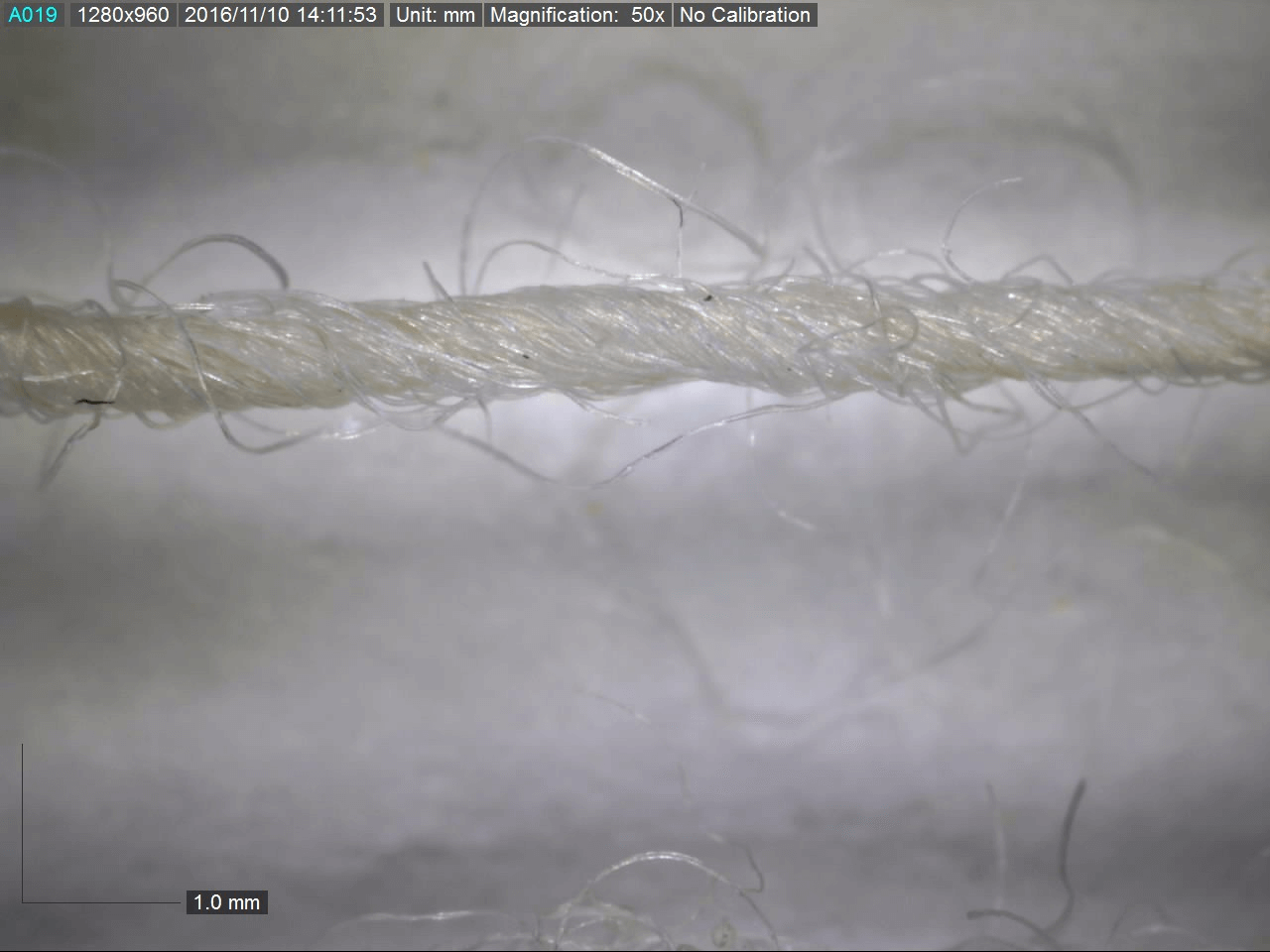
If you'd like to play yourself, here is the photo of one hand-spun thread. What twist angle would you read out for this one?

Once you're finished, scroll down... and see what others measured.

comparison_blankthread
Done?


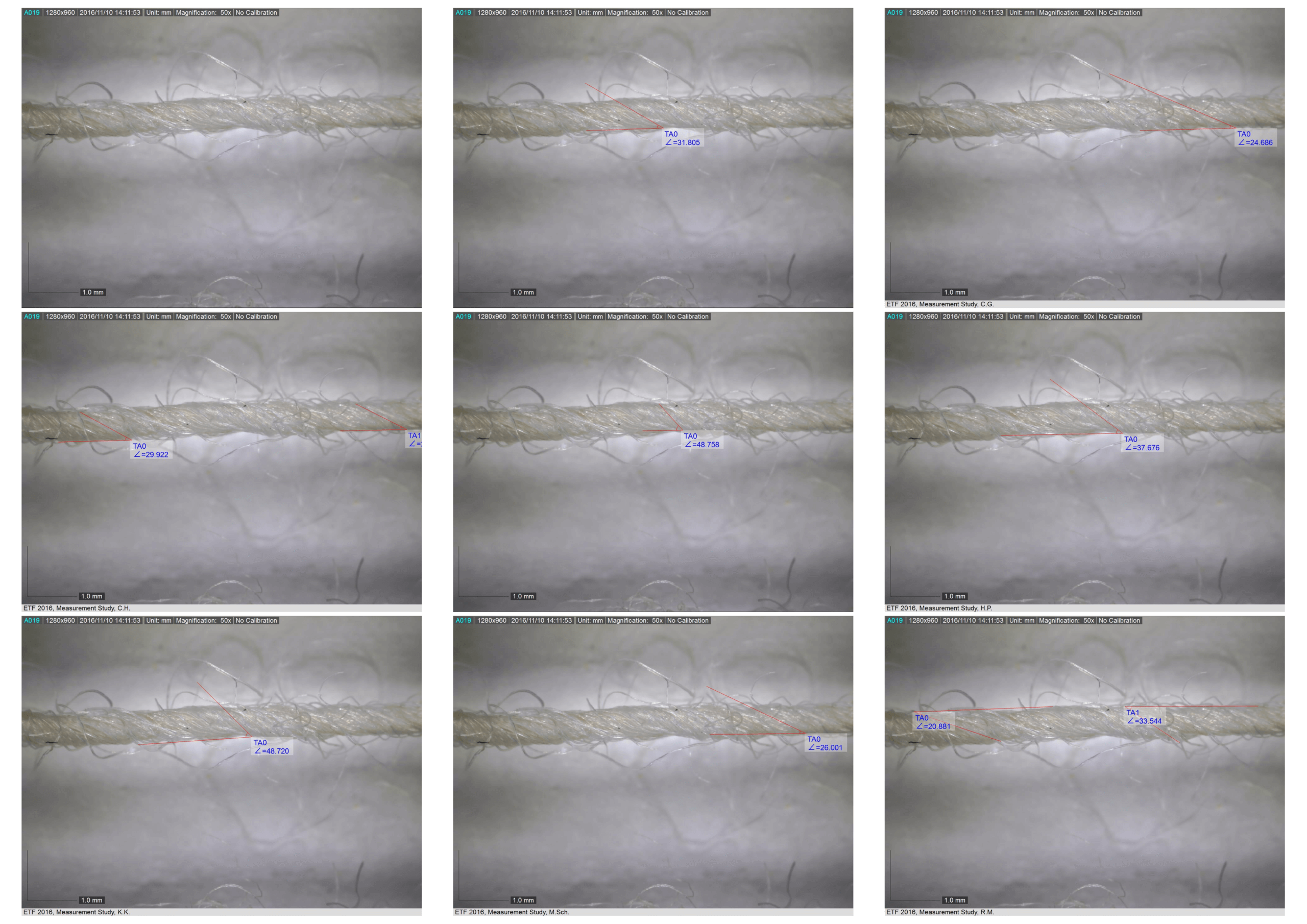
Here you go:

comparison_thread6
As you can see, measurements of the eight participants of this mini-study range from between 20° and a bit to 48° and some, depending on where the measurements were taken... and who took them. Several people took measurement in a similar spot (there are two small black dots about in the middle of the thread), but even then, results range from 31° to 48°.

So. Twist angle. Hello there. It would have been nice to have a reliable, measureable something to describe threads with... right? Describing fabrics or threads with words is hard in any case, but this just seems to make it even harder.

Sigh.
0
FEB.
09
2

It stays... interesting.

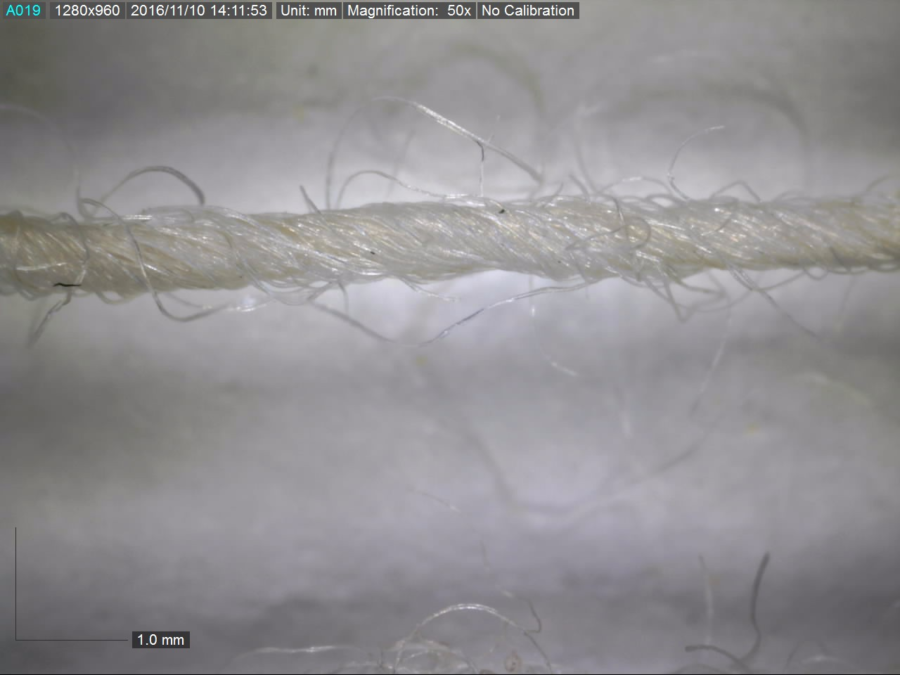
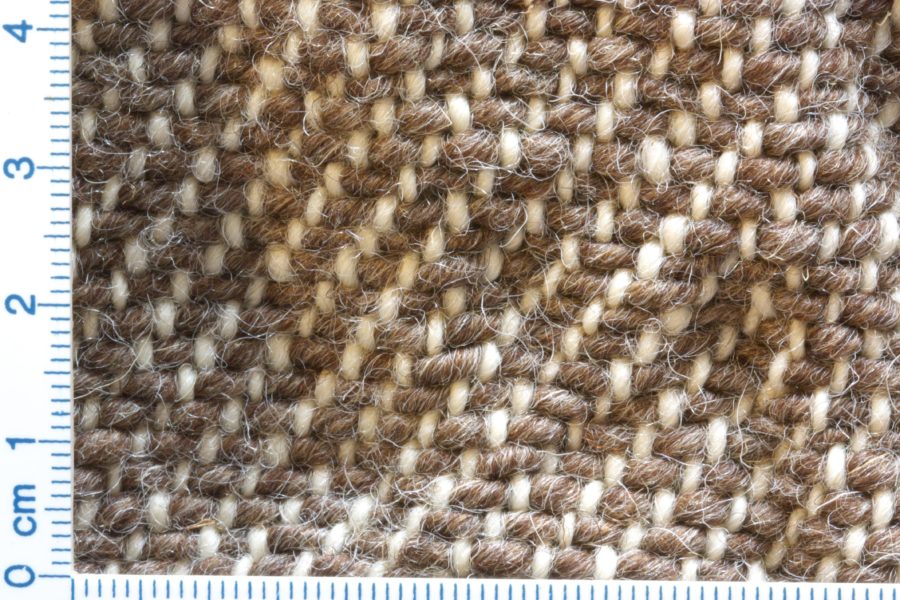
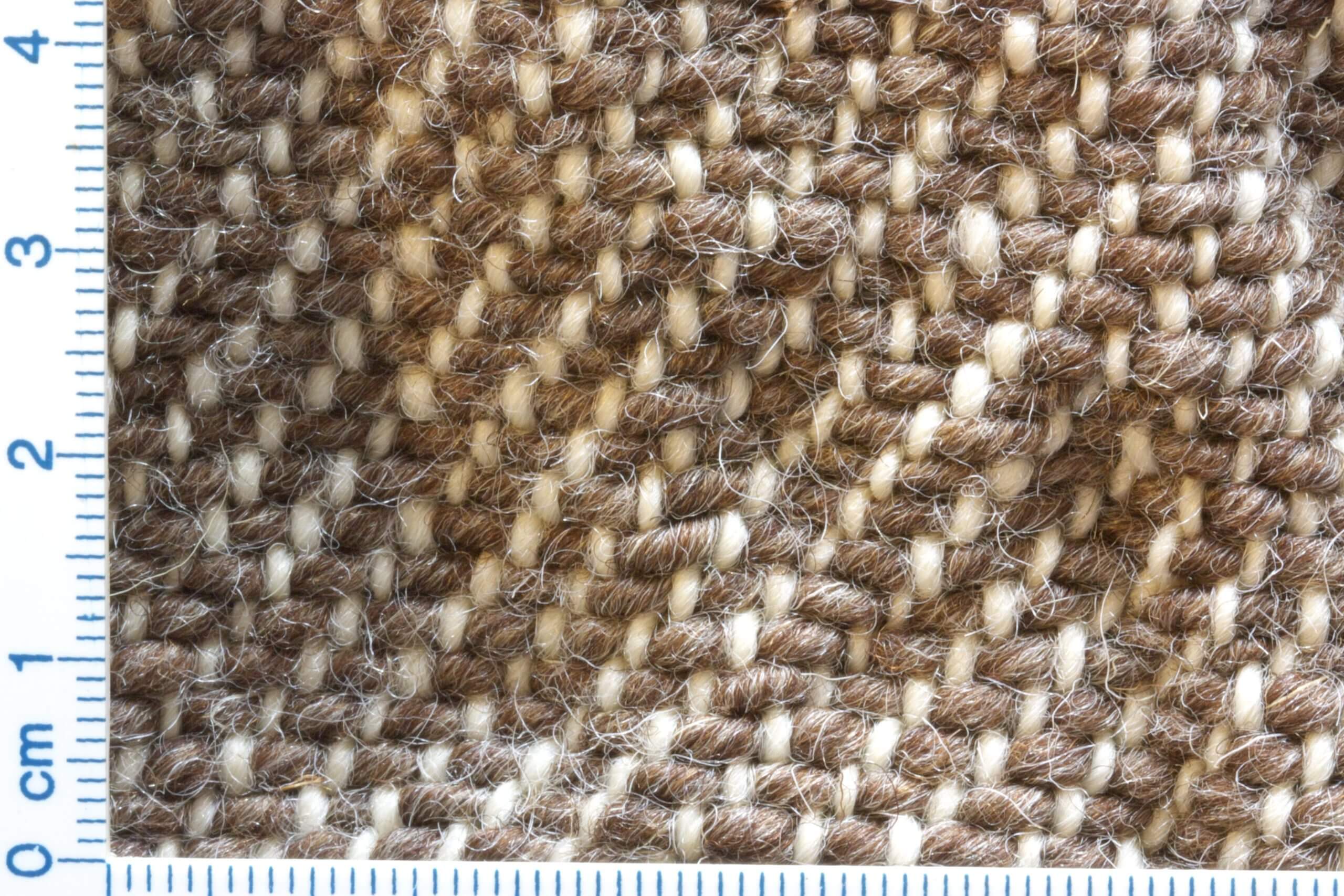
I've taken a few closeup photos of the sailcloth after washing, and, well, have a look for yourself:

IMG_1923
Now... it looks to me as if the twist angle of the white yarn is about the same or seems to be even slightly lower than it was when spinning (I have the reference cards to compare with), but the brown weft yarn now clearly looks higher-twist than what I spun (which was about 30° approximately). This is definitely... interesting.

Next step for the cloth will be getting fulled, and I'll take another closeup photo then and give it another reading. But my first conclusion from all this looking at twists and getting stuff woven and comparing is: Twist angles lie. Do not trust that they are spun like what they appear to be in a finished cloth - and in further conclusion: If you need to do a hair-splittingly exact replica of a piece of fabric, you will have to do test-spinning and test-weaving and look at the angles in the finished fabric to figure out what you will have to spin.

Good thing I'm already mildly crazy, or that would drive me towards craziness indeed. Can't that textile stuff be straightforward once, just for a change? Please?
0

By accepting you will be accessing a service provided by a third-party external to https://pallia.net/

Kontakt