Latest Comments

Guest - Max Mustermann The True Cost of Driving a Car.
06. November 2026
Great breakdown — the non-fuel costs are exactly the bit most people forget when they compare cars. ...
Guest - Harma Phew. Now it gets involved!
21. Oktober 2026
Have fun at these events.
Guest - Aislinn Dyestuff Citizen Science.
09. Oktober 2026
This is a great project. I look forward to the results. Thanks for letting us know.
Guest - Aislinn Time for...
09. Oktober 2026
Looks delicious!
Guest - Katrin Sprang Discussion
18. September 2026
Hi Rachel, I have looked for more photos of you, but that was not very successful. I found a link on...
MäRZ
09
4

Finished things.

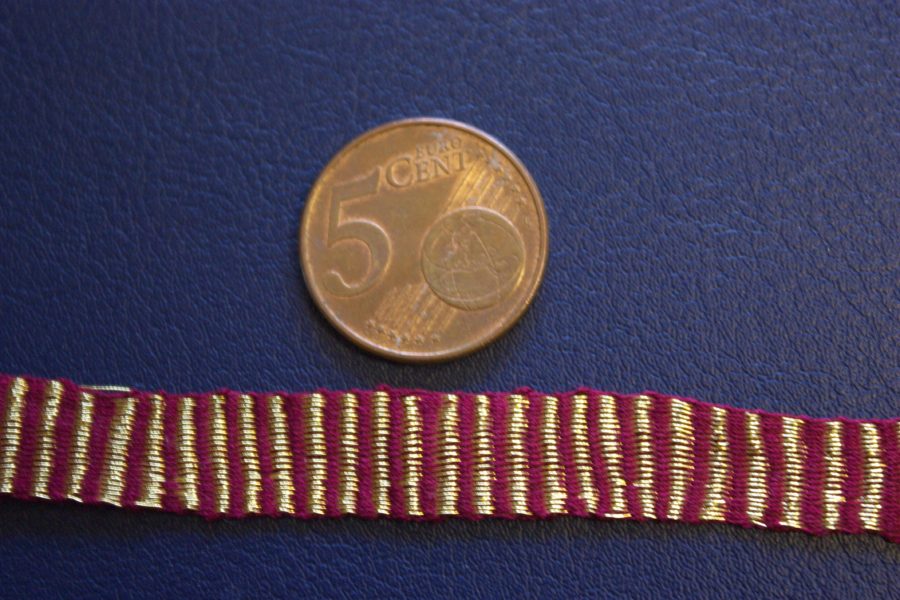
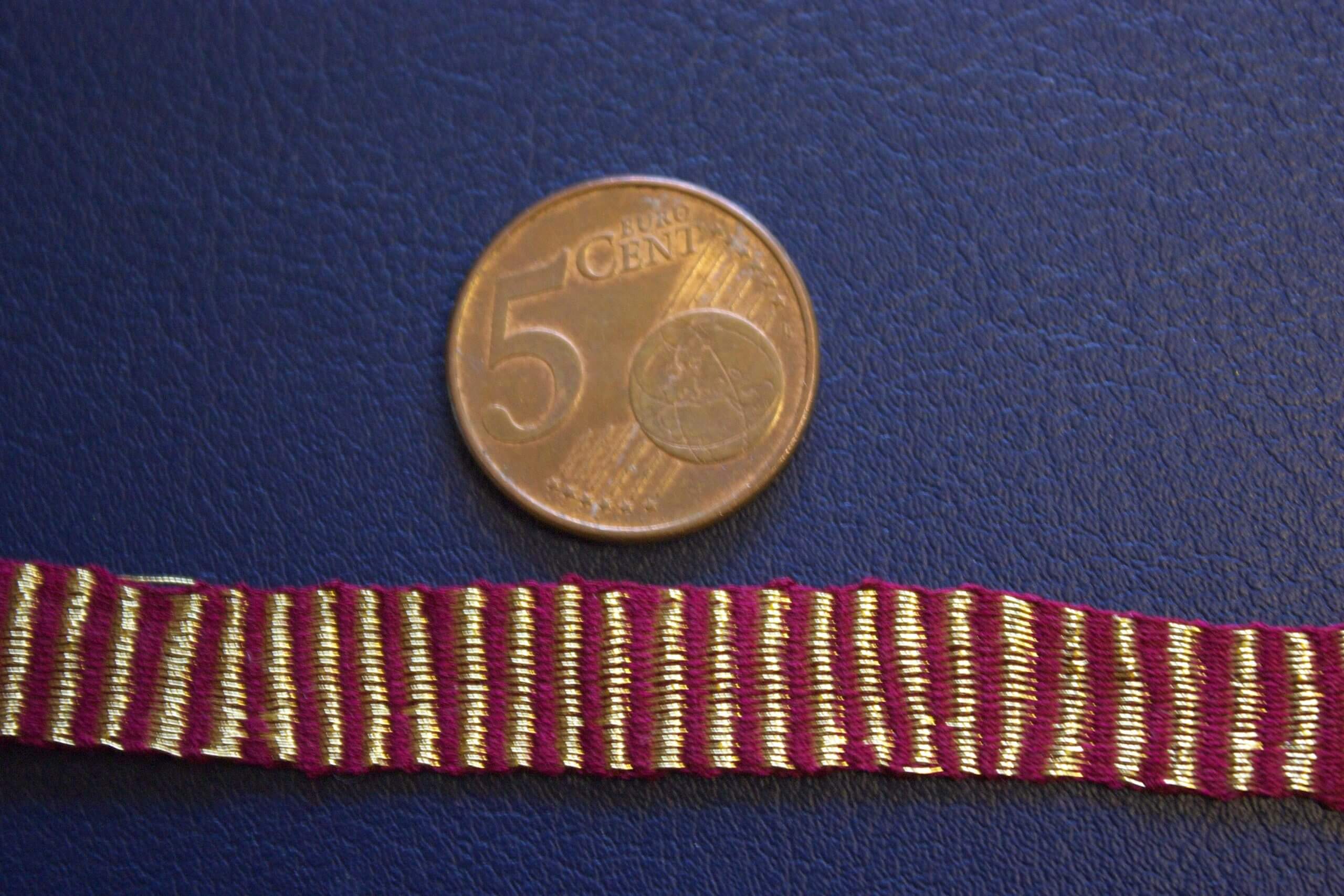
It's the time of finished things at the moment, or so it seems - I finished the gold band weaving this morning, and now I have a bit more than a metre of band. It was really fun to weave, and I am thinking of doing some more of it and maybe even sticking it in the shop...

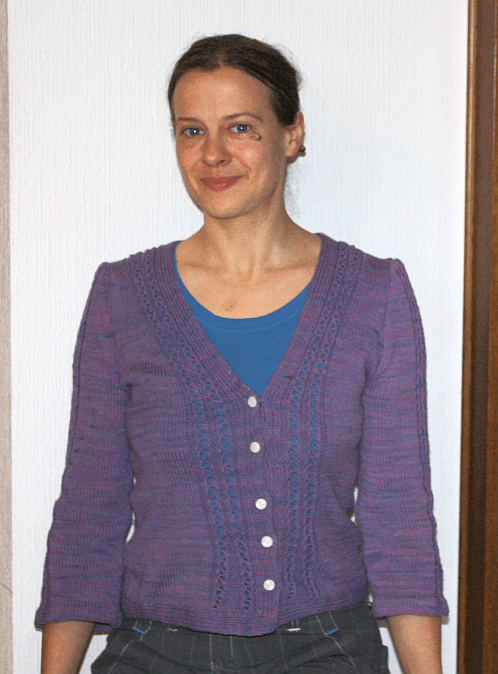
I also did get some nice buttons for my Vignette a few days ago, and I've since finished the cardigan. Finally! So here's a quickly snapped photo of the thing in action:

vignette_done
It's not perfect, but it fits nicely, I like the sleeve length, and overall I'm quite happy with it. Also... there needs to be room for improvement after a first non-sock, non-hat garment, right?
0
MäRZ
08
0

Something Cheerful.

Well. I took a deep breath, and then I did the final calculations for the wonderful weaving project that ended up exploding... so now I have the numbers, and I can tell you: they are not pretty. Not pretty at all.

I'm normally not that far off with my work-time estimates, but there were a lot of unknowns in the project this time, and I did underestimate some of them. So it would have been a non-perfect estimate even without all the explodening - but well, that's how you learn. Or, as a friend of me likes to say: "Lernen durch Schmerzen, Wissen bildet Narbengewebe" (more or less literally: Pain makes you learn, knowledge forms scar tissue).

Which means... the next time around, I'll be smarter, and I'll do calculate things a bit differently. Next time around, we'll also have some more knowledge of how to approach a project like this, and know some more about the vagaries and ficklenesses of handspun yarn.

Anyway, I needed something to cheer me up after that, and what could be more cheerful than shiny gold and silk? So I sat down and did a bit of a test weave, and the result is this:

[caption id="attachment_2963" align="alignnone" width="640"]goldband Sorry that picture is not better - that gold stuff is really, really hard to photograph!


The band is about one centimetre wide, made from (chemically dyed) silk (the good old Gütermann two-ply) and gold thread. It looks fantastic, pictures don't do those gold things justice... and it did make this day much, much nicer.
0
MäRZ
07
0

All kinds of interesting things!

Time for a post about interesting things, some of which you can participate in!

If you are in the Southampton area, there's a project about dexterity in flintknapping:With motion capture. How cool is that!

If you're more on the other side of the globe, there's the meeting of the Society for the History of Technology October 26-29, where there's a session about textiles and early industrialisation in planning. You can read more about the Society and their conference here.

There's also a conference about "Embellished Fabrics: Conserving Surface Manipulation & Decoration." It is the 11th North American Textile Conservation Conference, taking place in Mexico City, Mexico, November 6-11, 2017. The website is www.natcconference.com, and it will provide more information in case you're interested.

And another conference, this time in Poland, in June: Dynamics and Organisation of Textile Production in past societies in Europe and the Mediterranean. International Conference, Łódź, 21-22 June, 2017. The preliminary programme looks really nice and interesting!

For those of you who understand German (or for the adventurous of you who don't), there's a TV show where one guy participates in a club for one day, looking at the stuff people do in their spare time... and one of the clubs is a Living History group. You can watch the half-hour show here.

Some more interesting things - Jim Hines has done a survey about novelist's incomes. So if you've ever wondered whether writing a novel will make you rich, you might want to read his long, really interesting multi-part blogpost, starting with part 1 right here.

In 2011, a tunic was discovered in a Norwegian Glacier, and it has since been reconstructed. You can read a bit about the reconstruction and watch a video here. (I'm not totally happy with the spinning part of the video, as you might guess when watching it...)

And that's it for today. Hope you find something you enjoy among these!
0
MäRZ
06
2

All done and finished.

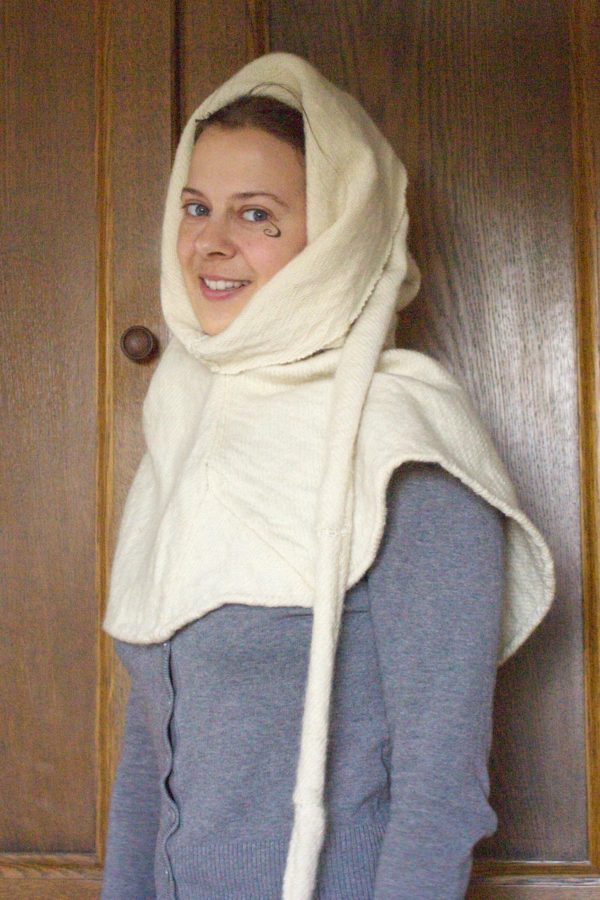
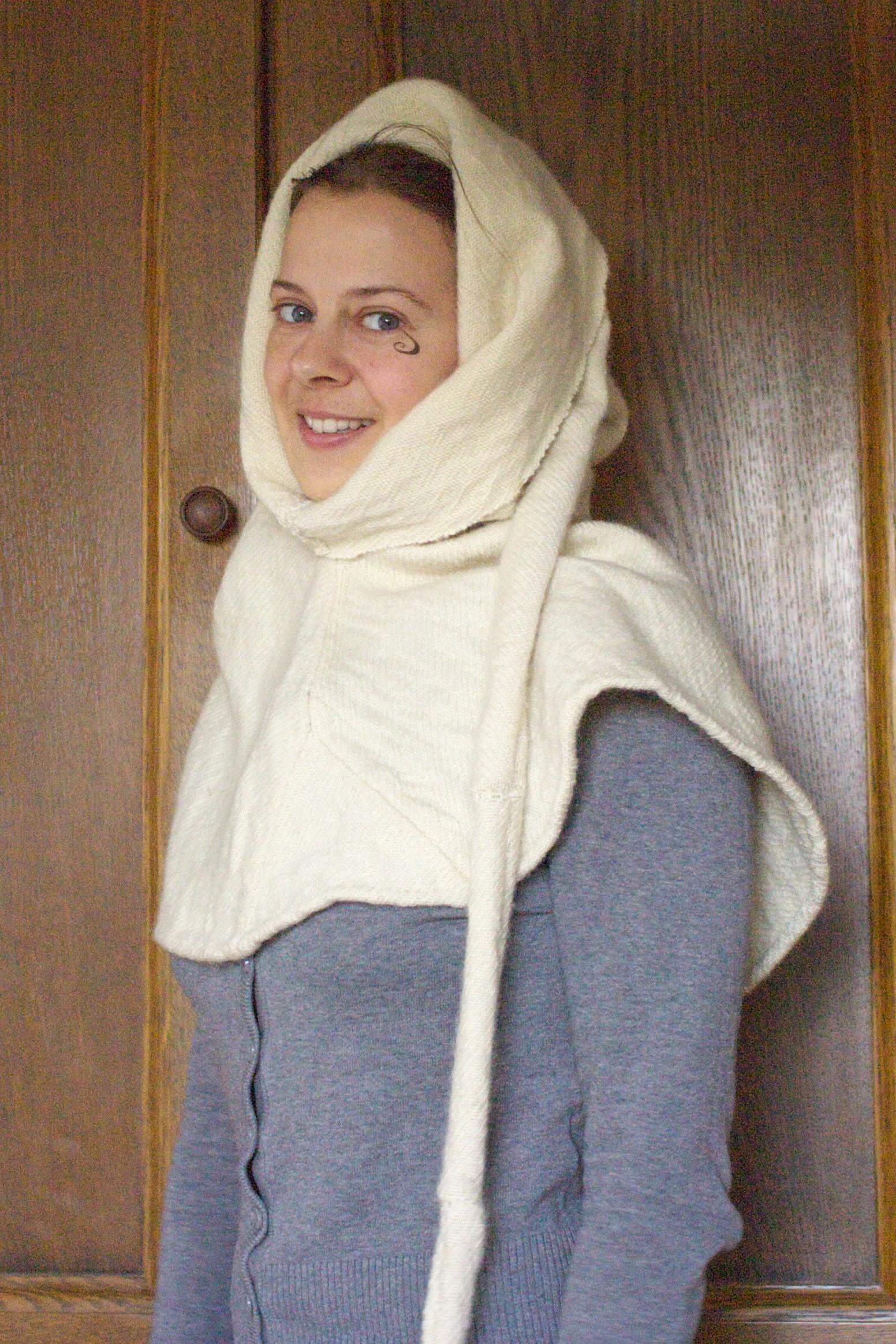
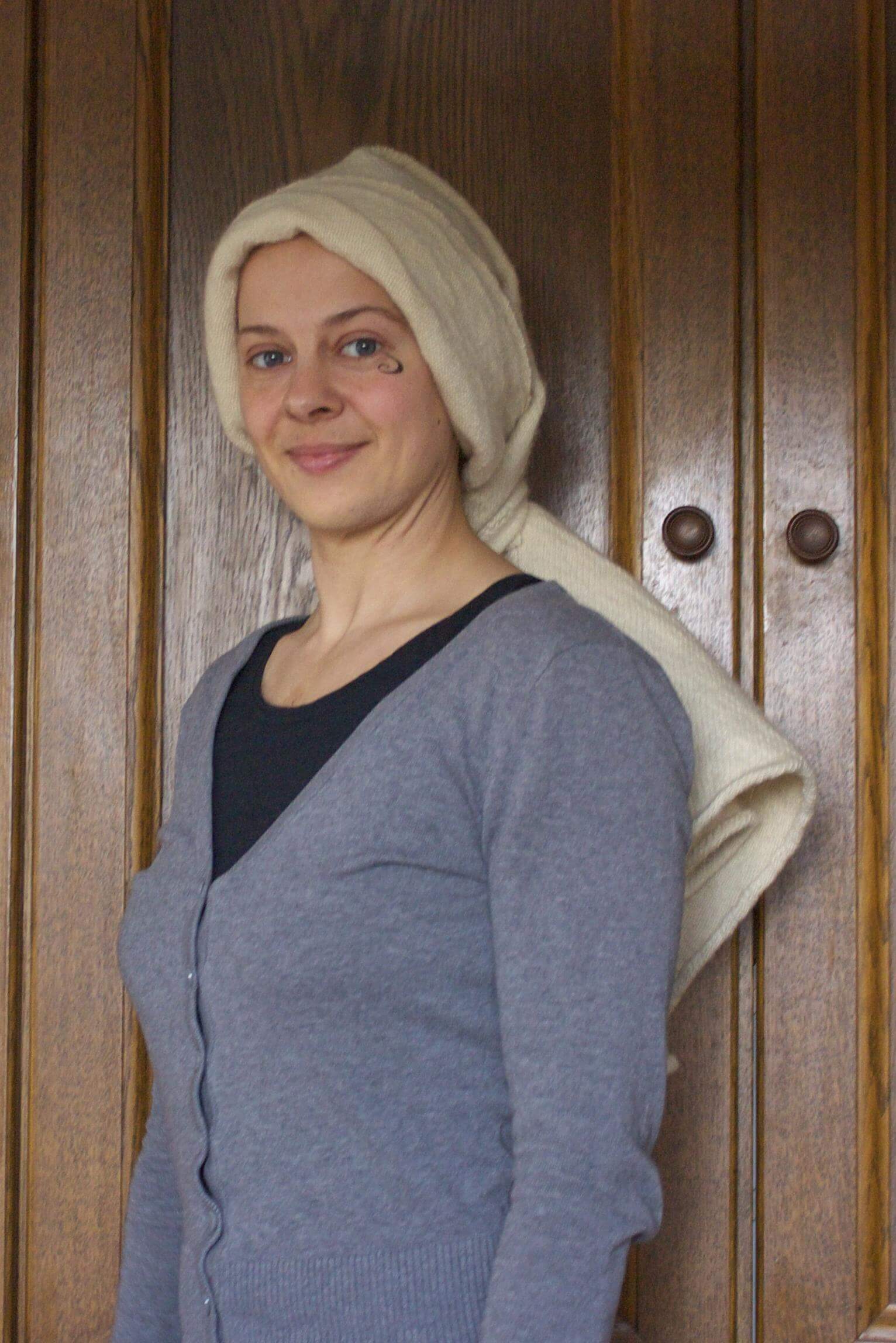
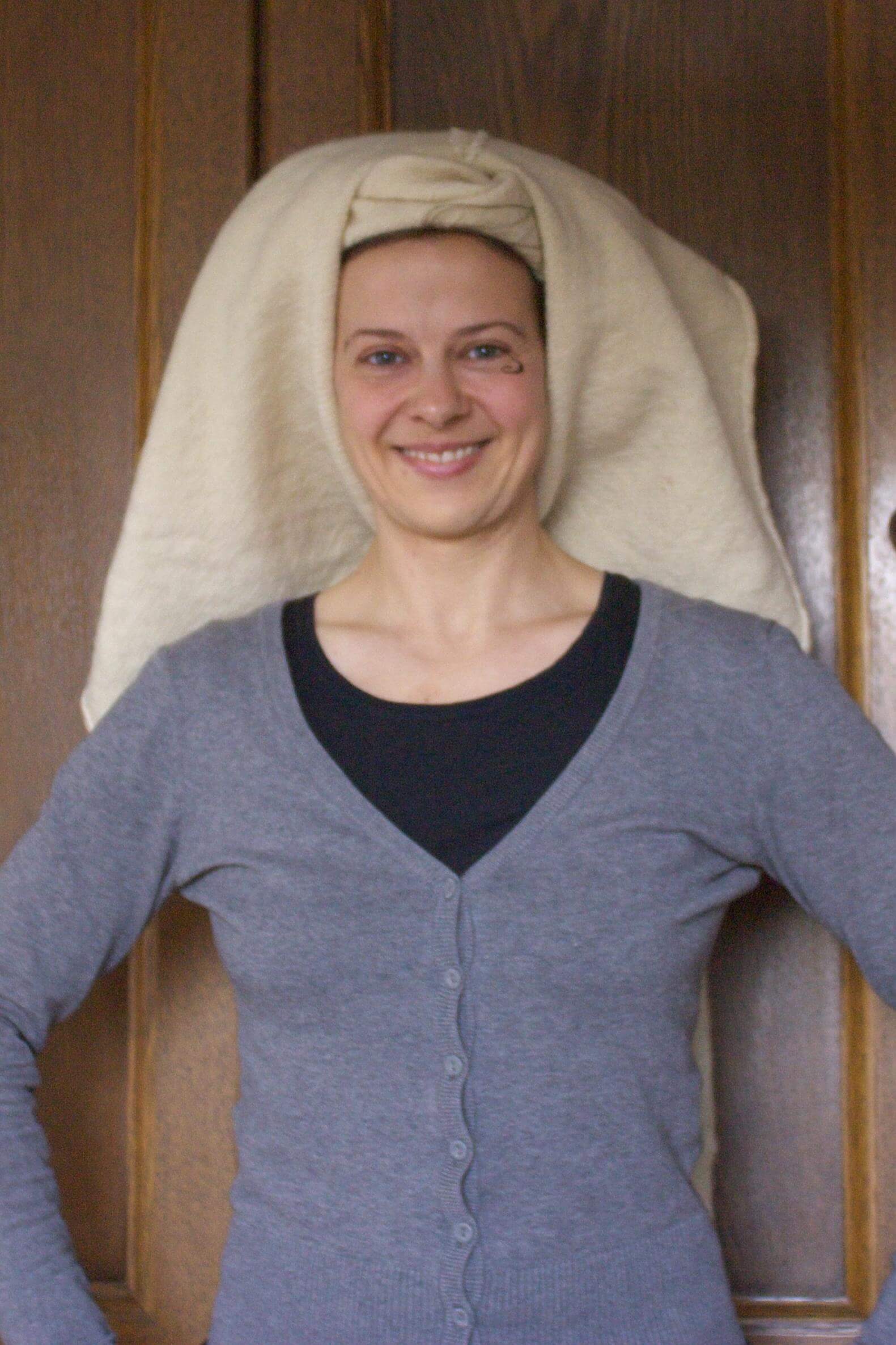
The work is all done and finished - the last of the fabrics has been cut into and stitched up into a hood. And while I was really happy that everything was done and finished and I could send it off, it was actually hard to pack it up, as the resulting piece was so wonderful that I would have gladly kept it for myself!

The hood, of course, could not be sent off without first trying it on in a few different styles:

[caption id="attachment_2956" align="alignnone" width="385"]IMG_2071 The usual, boring way to put on a hood. It was surprisingly heavy, but very warm and comfy!


[caption id="attachment_2954" align="alignnone" width="393"]IMG_2076 The "pirate headcloth"-style, one of my favourite ways to wear a hood. Also one of the reasons why a hood has a liripipe - you tie the thing in place with it.


[caption id="attachment_2955" align="alignnone" width="405"]IMG_2072 And yet another of my favourite styles! This is basically the neck opening sitting on the head, with the cape draping over head and shoulders in the back. Warm on the head, cool around the neck, and visually stunning.


If you want to see the hood for yourself, you'll need to go to the Schiffahrtsmuseum in Bremerhaven after March 14, where it will hang out in the new exhibition around the medieval cog.
0
MäRZ
03
4

Surprise, surprise!

The fabric turned out wonderfully after being fulled - soft and lush and beautiful. It also surprised me a lot.

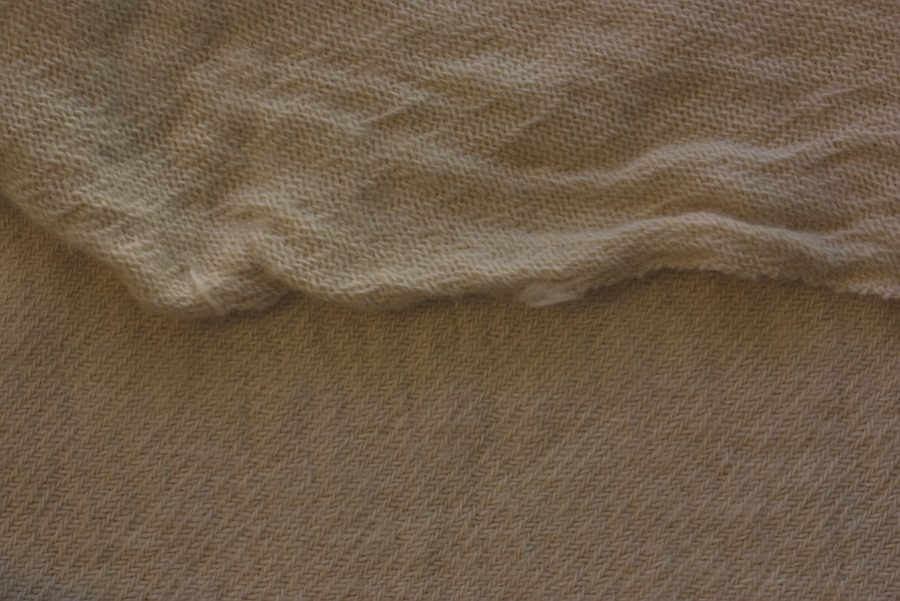
It's a fourshaft twill, which means every thread goes over two and under two, staggered to give diagonal lines. In a fairly balanced weave with a similar amount of warps and wefts per cm, that should result in a fabric that looks the same on both sides.

Well, guess what this cloth does not do?

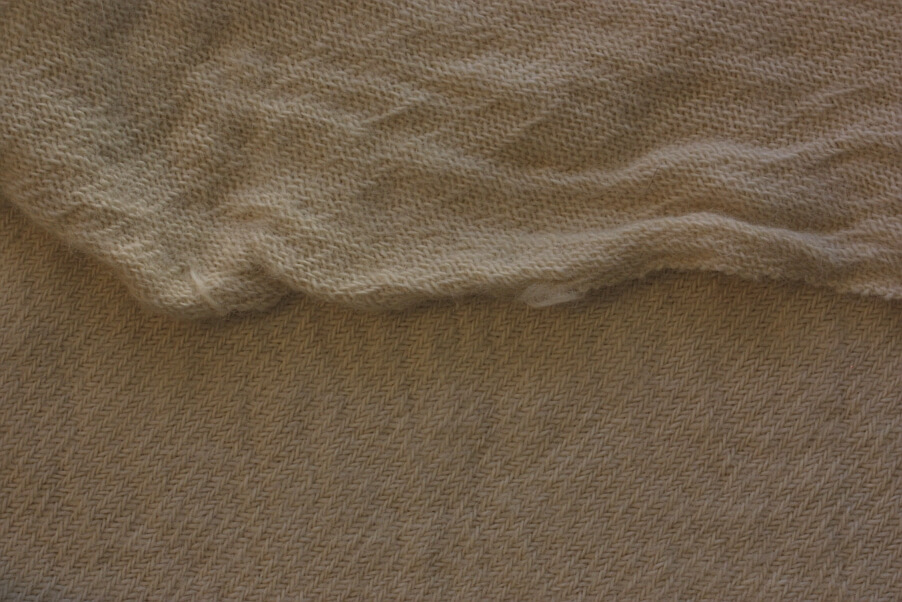
cloth
Look the same on front and back.

There you go. Be surprised along with me! (Probably has to do something with the spin direction in relation to the twill direction...)
0
MäRZ
02
0

The Last Of The Fabrics.

The last of the fabrics for the project has arrived - a 2/2 twill woven from the same yarns as the previous plainweave fabric. It's now hanging out to dry after being fulled just like the others... and it's beautiful. Really, really beautiful.

Here's the cloth in its raw state:

koeper_roh
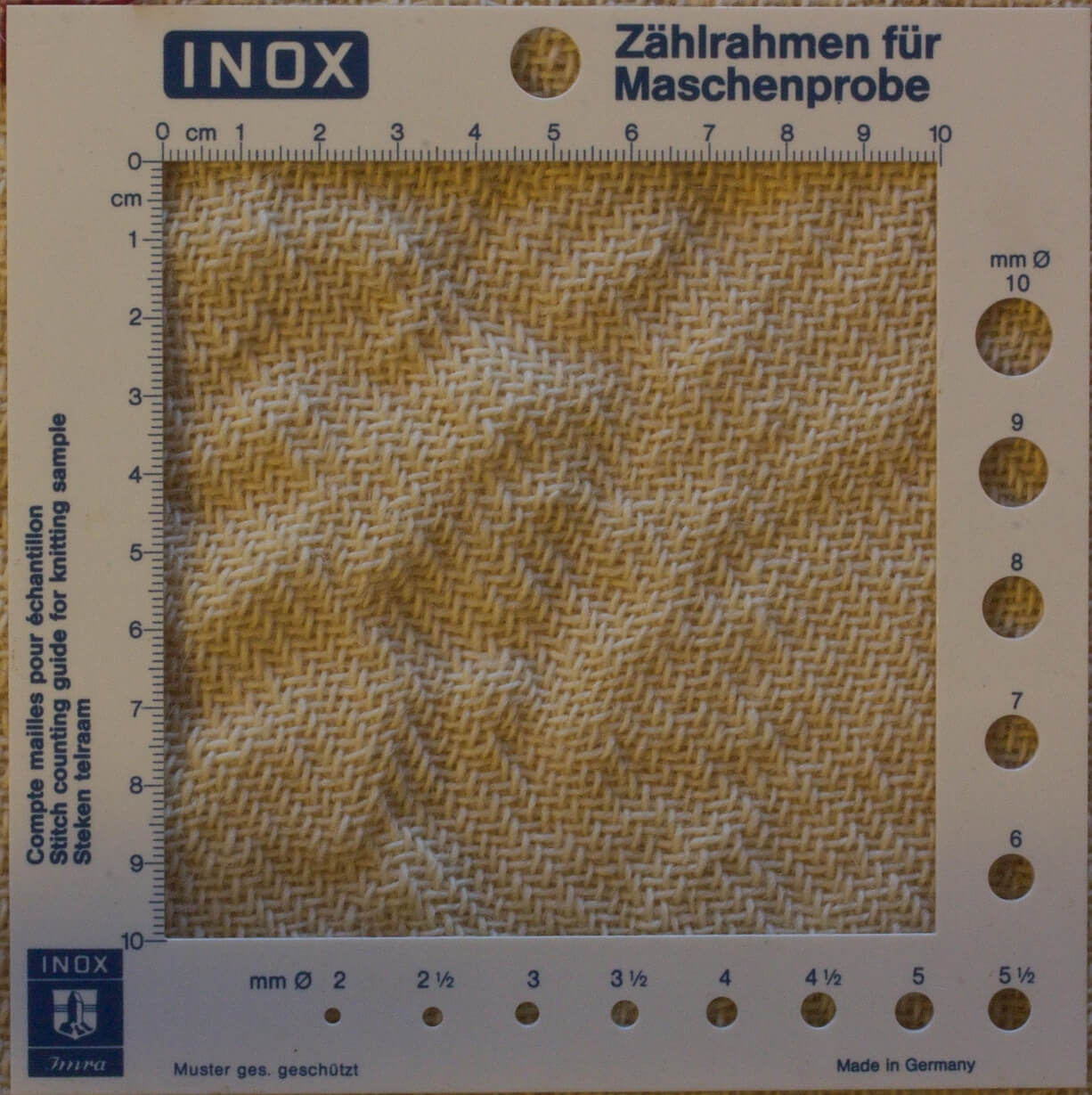
And this is what it looked like after washing:

koeper_gewaschen
The last picture of the after-fulling state will have to wait for tomorrow when it's dry again - but I can already tell you that the fabric shows no tracking, hasn't shrunk a lot, and is really nice.

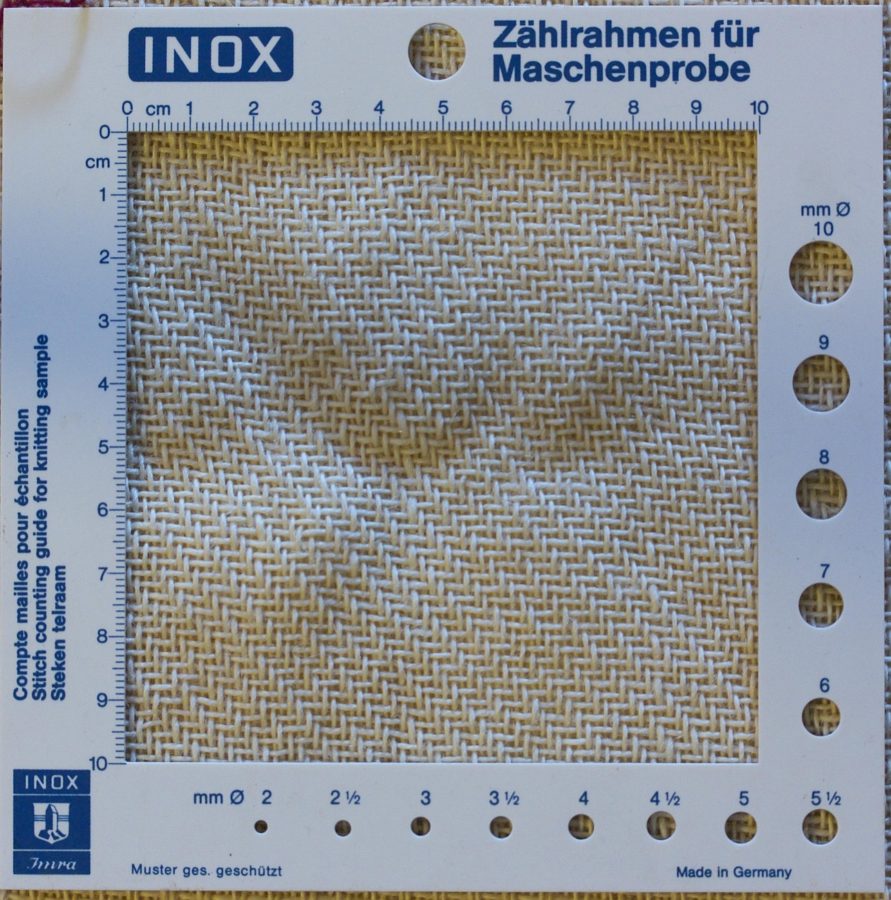
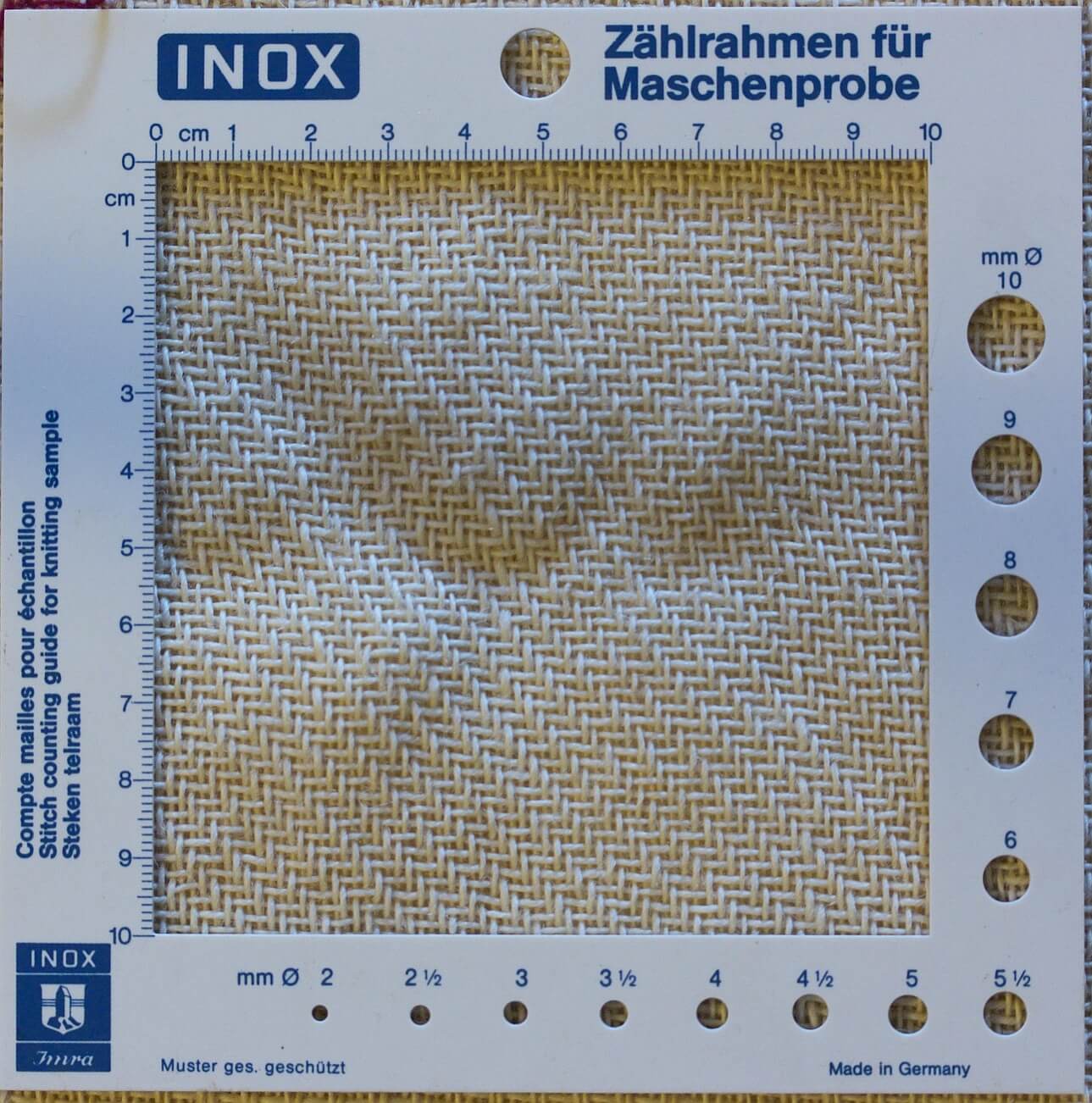
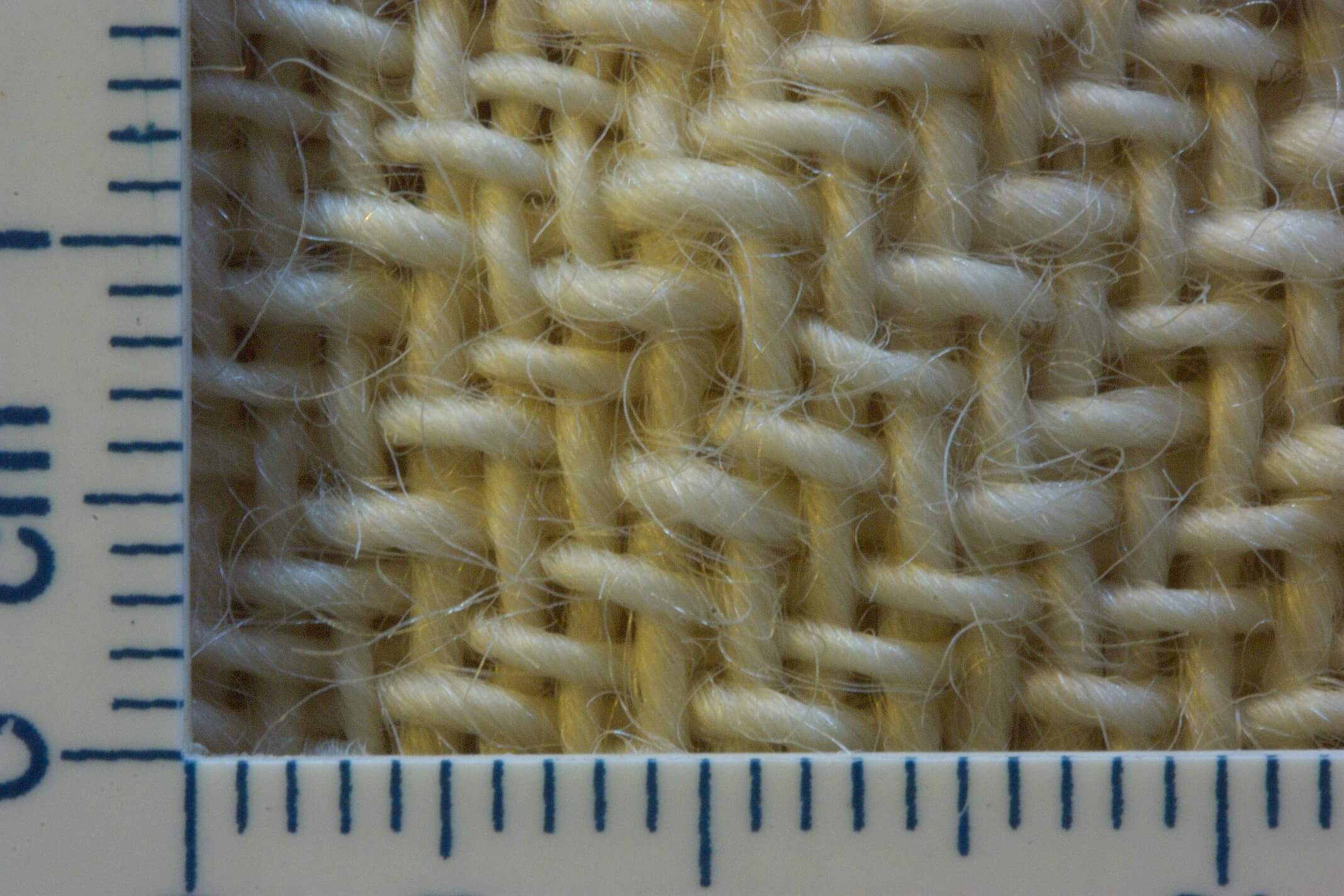
Here's a closeup of the threads after washing:

koeper_detail
And tomorrow, it will go off to new adventures - cloth metamorphosis part two!
0
MäRZ
01
0

Textiles, Trade and Taste

Textiles, Trade and Taste - Portugal and the World is a networking project looking at textiles and their trade from the 16th century onward. The project was launched in 2011 and has since developed into a networking group that looks, among other things, at colours in textiles (that was their focus in 2016).

They have recently launched a project website, and there you can find articles, lists of events and more resources, like Portuguese museums that have early modern textiles. Plus you will see some gorgeous pictures on the site, so go take a look!
0

By accepting you will be accessing a service provided by a third-party external to https://pallia.net/

Kontakt