Latest Comments

Guest - Aislinn Dyestuff Citizen Science.
09. Oktober 2026
This is a great project. I look forward to the results. Thanks for letting us know.
Guest - Aislinn Time for...
09. Oktober 2026
Looks delicious!
Guest - Katrin Sprang Discussion
18. September 2026
Hi Rachel, I have looked for more photos of you, but that was not very successful. I found a link on...
Guest - Beatrix Sprang Discussion
15. September 2026
That lozenge pattern element is not a photograph, but a scan. So it should be to scale. But I pinned...
Guest - Katrin Sprang Discussion
15. September 2026
I was not referring to Rachel's reconstruction (is the reconstruction you refer to the one photograp...
MäRZ
06
2

All done and finished.

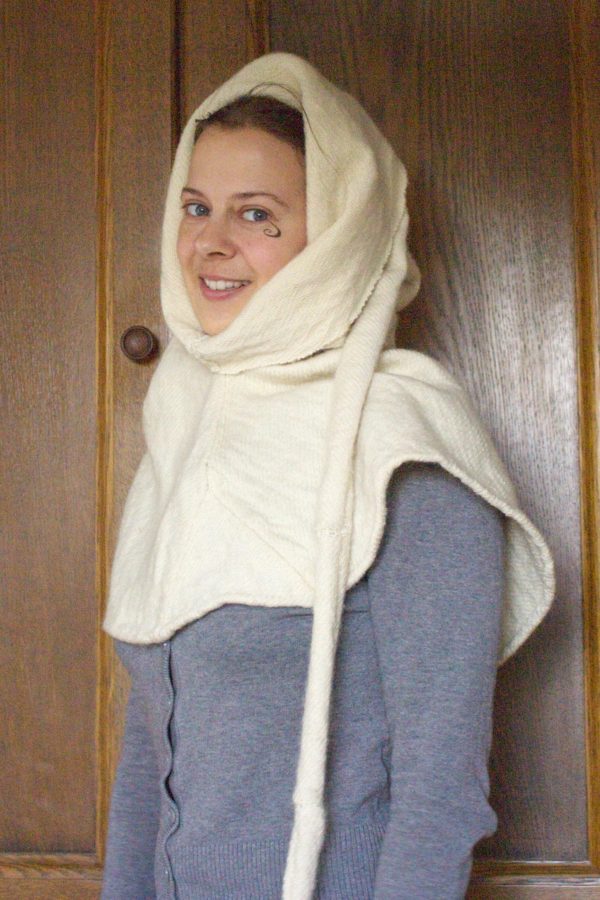
The work is all done and finished - the last of the fabrics has been cut into and stitched up into a hood. And while I was really happy that everything was done and finished and I could send it off, it was actually hard to pack it up, as the resulting piece was so wonderful that I would have gladly kept it for myself!

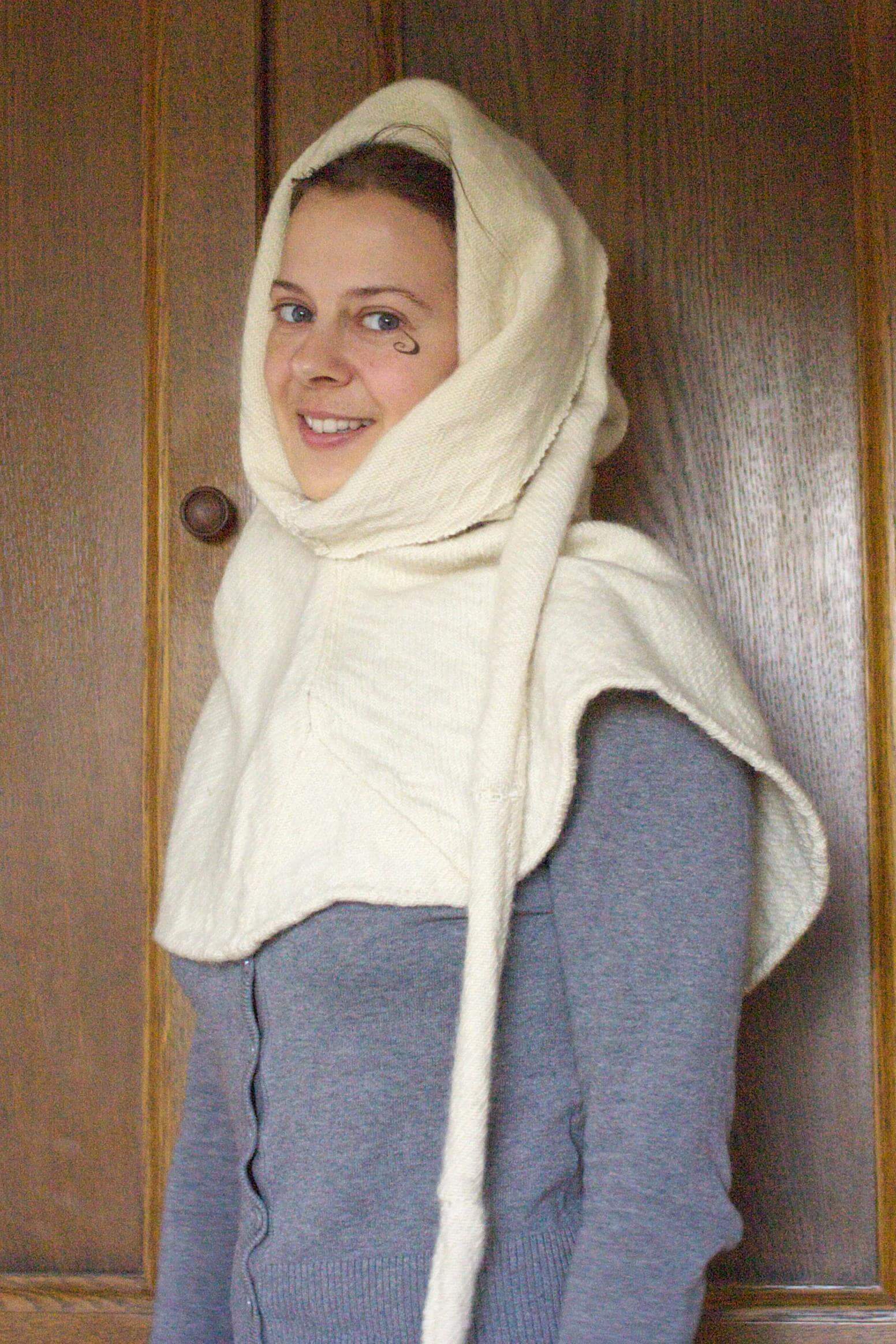
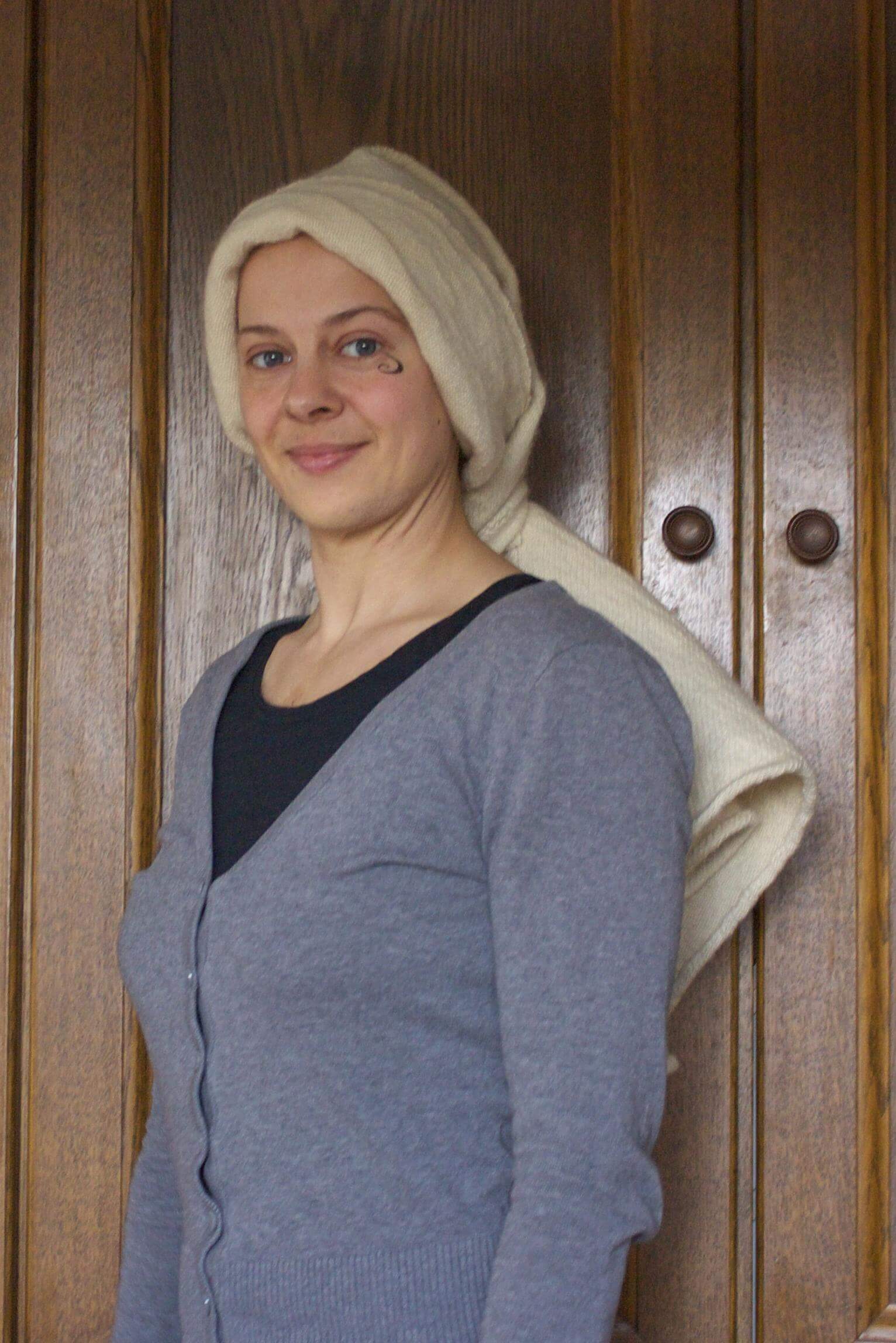
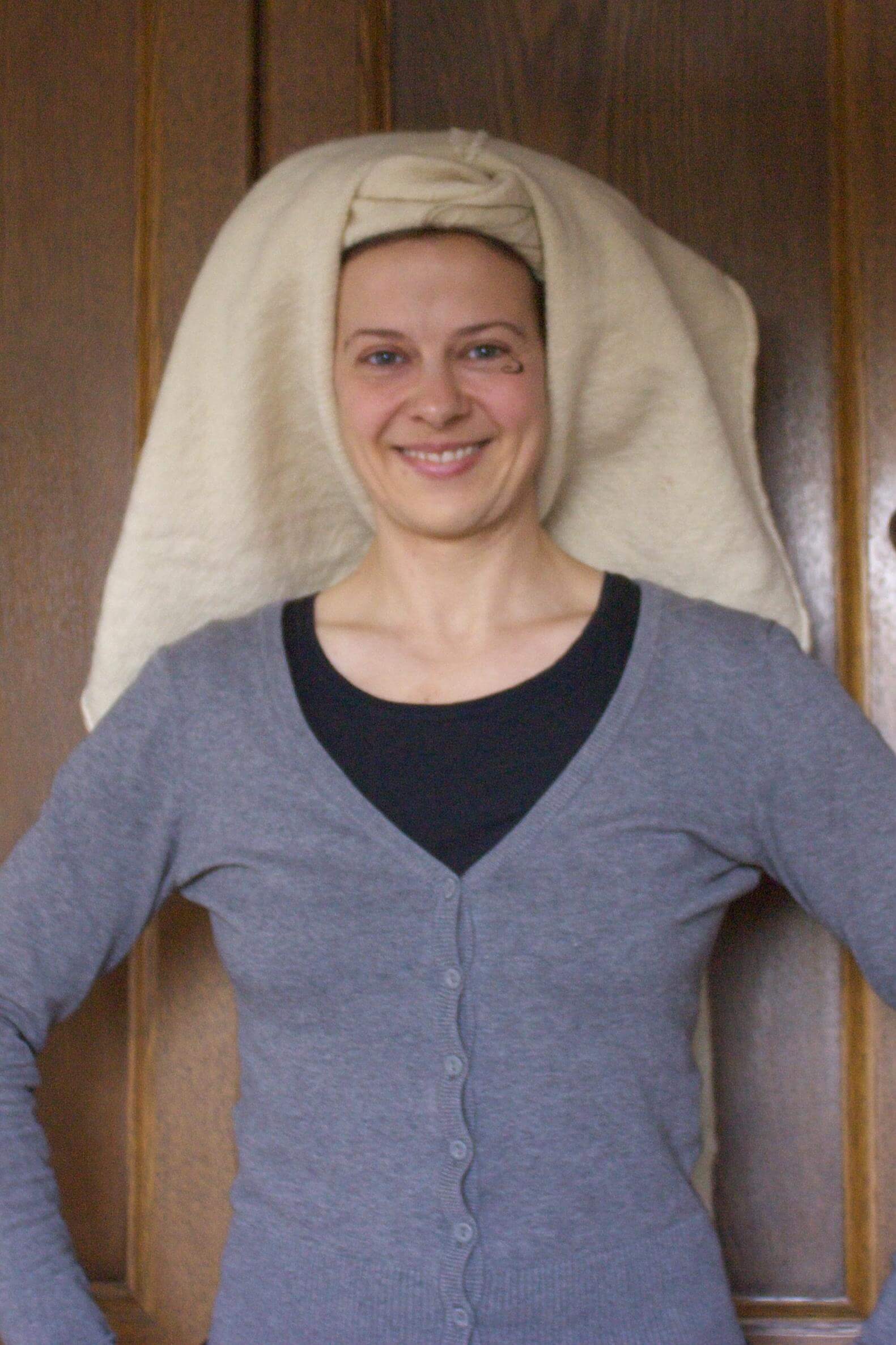
The hood, of course, could not be sent off without first trying it on in a few different styles:

[caption id="attachment_2956" align="alignnone" width="385"]IMG_2071 The usual, boring way to put on a hood. It was surprisingly heavy, but very warm and comfy!


[caption id="attachment_2954" align="alignnone" width="393"]IMG_2076 The "pirate headcloth"-style, one of my favourite ways to wear a hood. Also one of the reasons why a hood has a liripipe - you tie the thing in place with it.


[caption id="attachment_2955" align="alignnone" width="405"]IMG_2072 And yet another of my favourite styles! This is basically the neck opening sitting on the head, with the cape draping over head and shoulders in the back. Warm on the head, cool around the neck, and visually stunning.


If you want to see the hood for yourself, you'll need to go to the Schiffahrtsmuseum in Bremerhaven after March 14, where it will hang out in the new exhibition around the medieval cog.
0
MäRZ
03
4

Surprise, surprise!

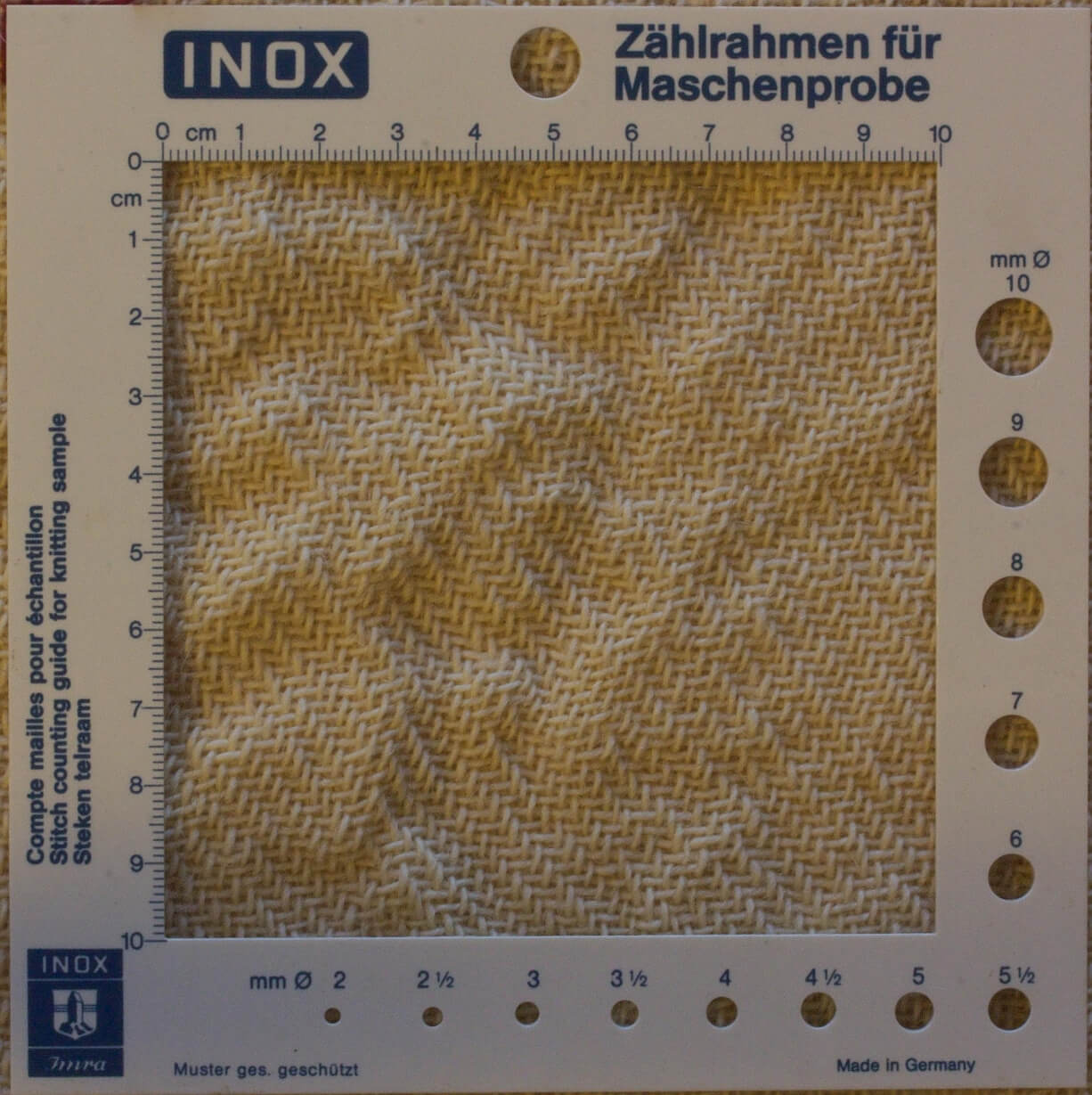
The fabric turned out wonderfully after being fulled - soft and lush and beautiful. It also surprised me a lot.

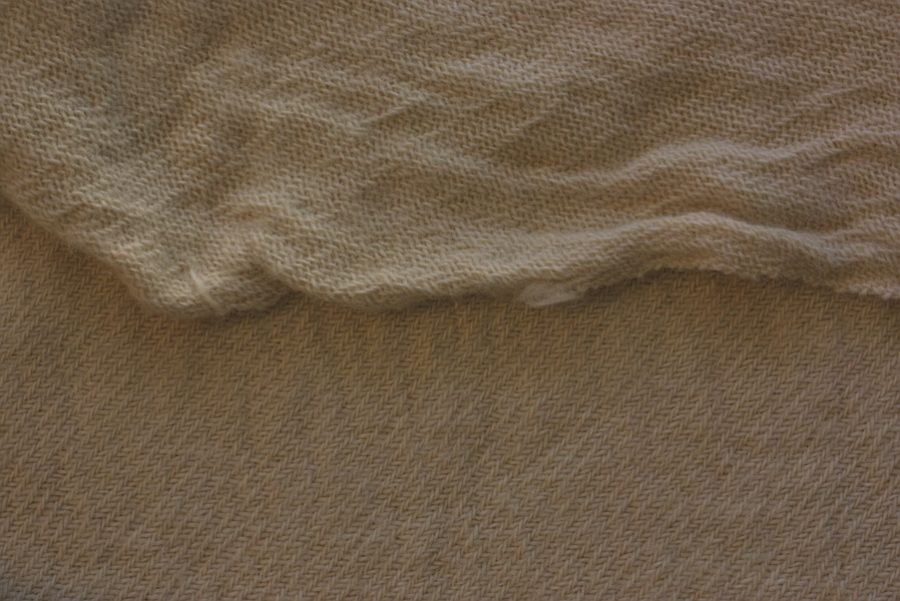
It's a fourshaft twill, which means every thread goes over two and under two, staggered to give diagonal lines. In a fairly balanced weave with a similar amount of warps and wefts per cm, that should result in a fabric that looks the same on both sides.

Well, guess what this cloth does not do?

cloth
Look the same on front and back.

There you go. Be surprised along with me! (Probably has to do something with the spin direction in relation to the twill direction...)
0
MäRZ
02
0

The Last Of The Fabrics.

The last of the fabrics for the project has arrived - a 2/2 twill woven from the same yarns as the previous plainweave fabric. It's now hanging out to dry after being fulled just like the others... and it's beautiful. Really, really beautiful.

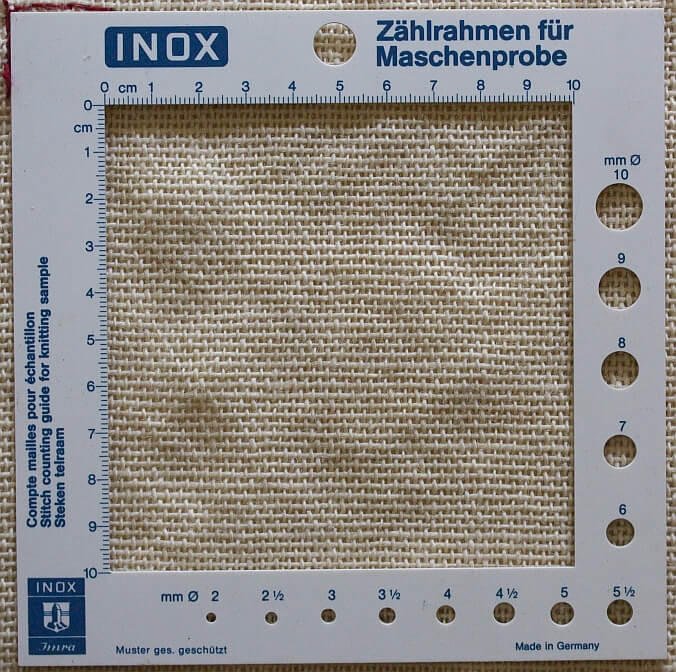
Here's the cloth in its raw state:

koeper_roh
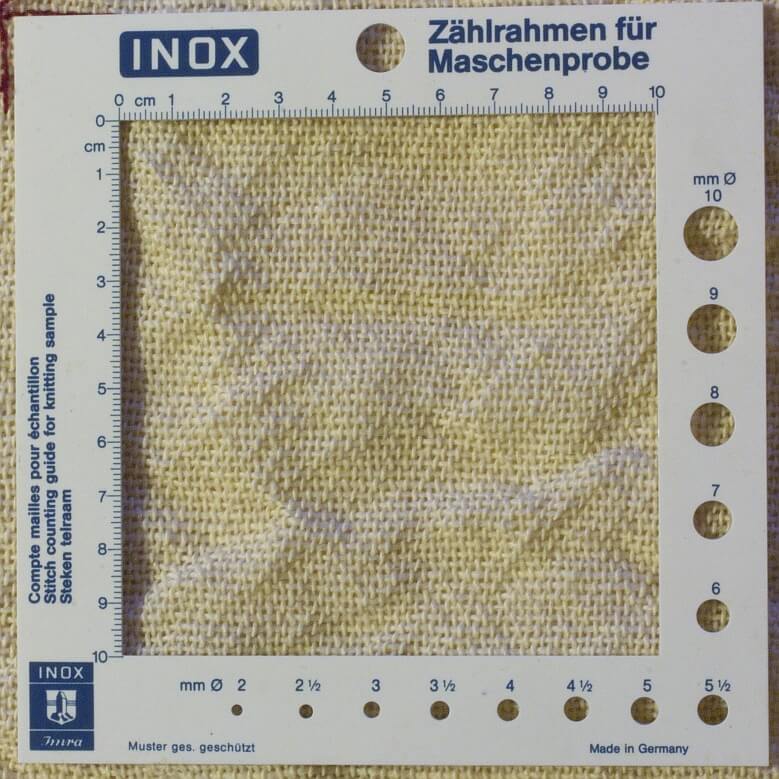
And this is what it looked like after washing:

koeper_gewaschen
The last picture of the after-fulling state will have to wait for tomorrow when it's dry again - but I can already tell you that the fabric shows no tracking, hasn't shrunk a lot, and is really nice.

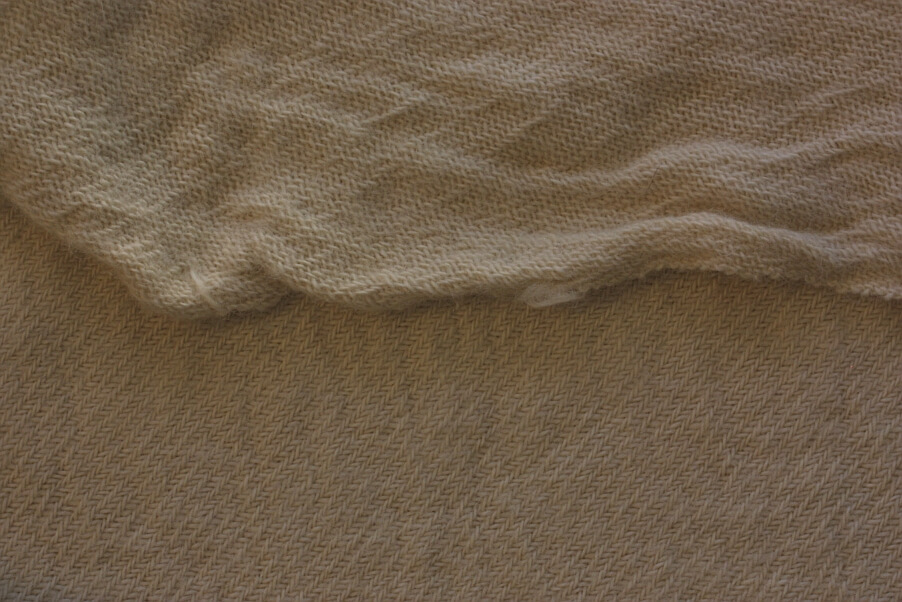
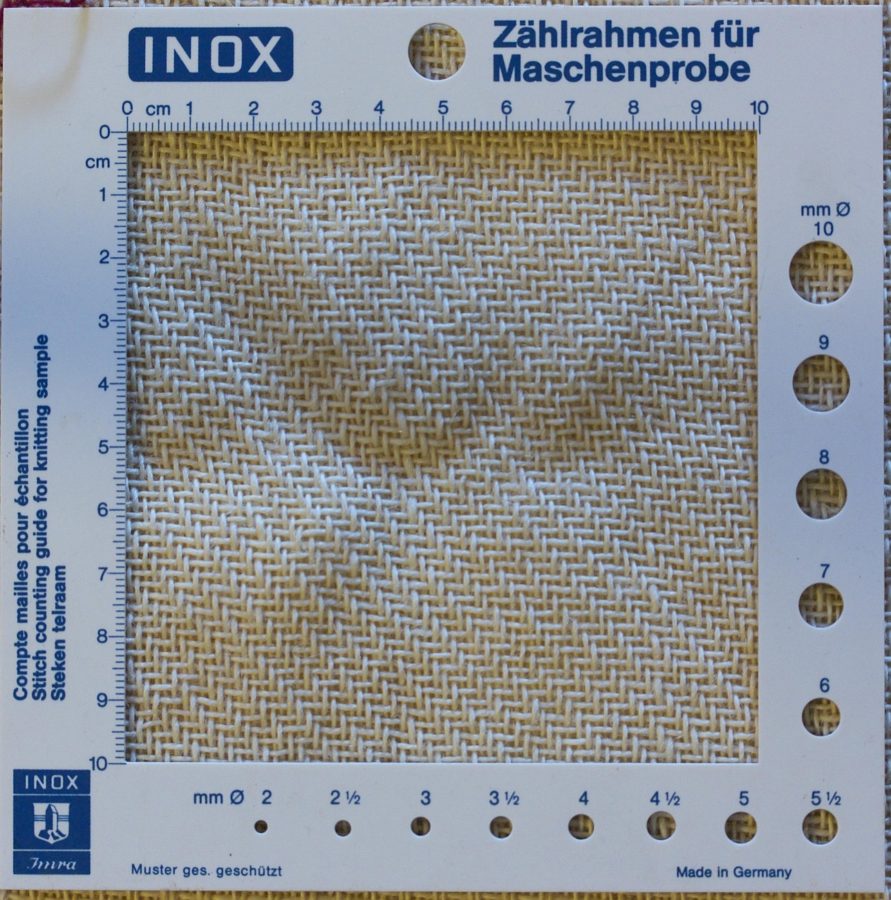
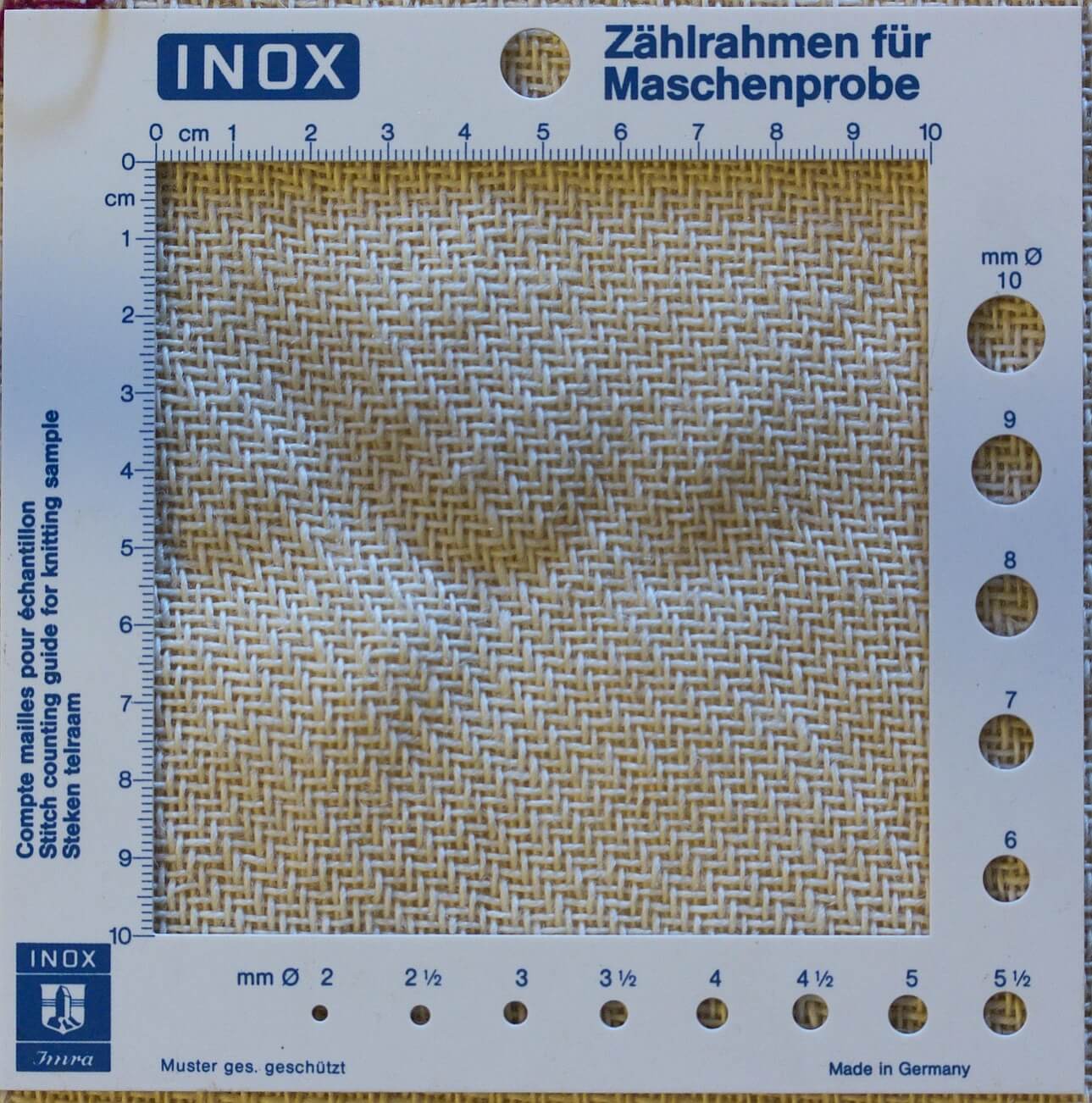
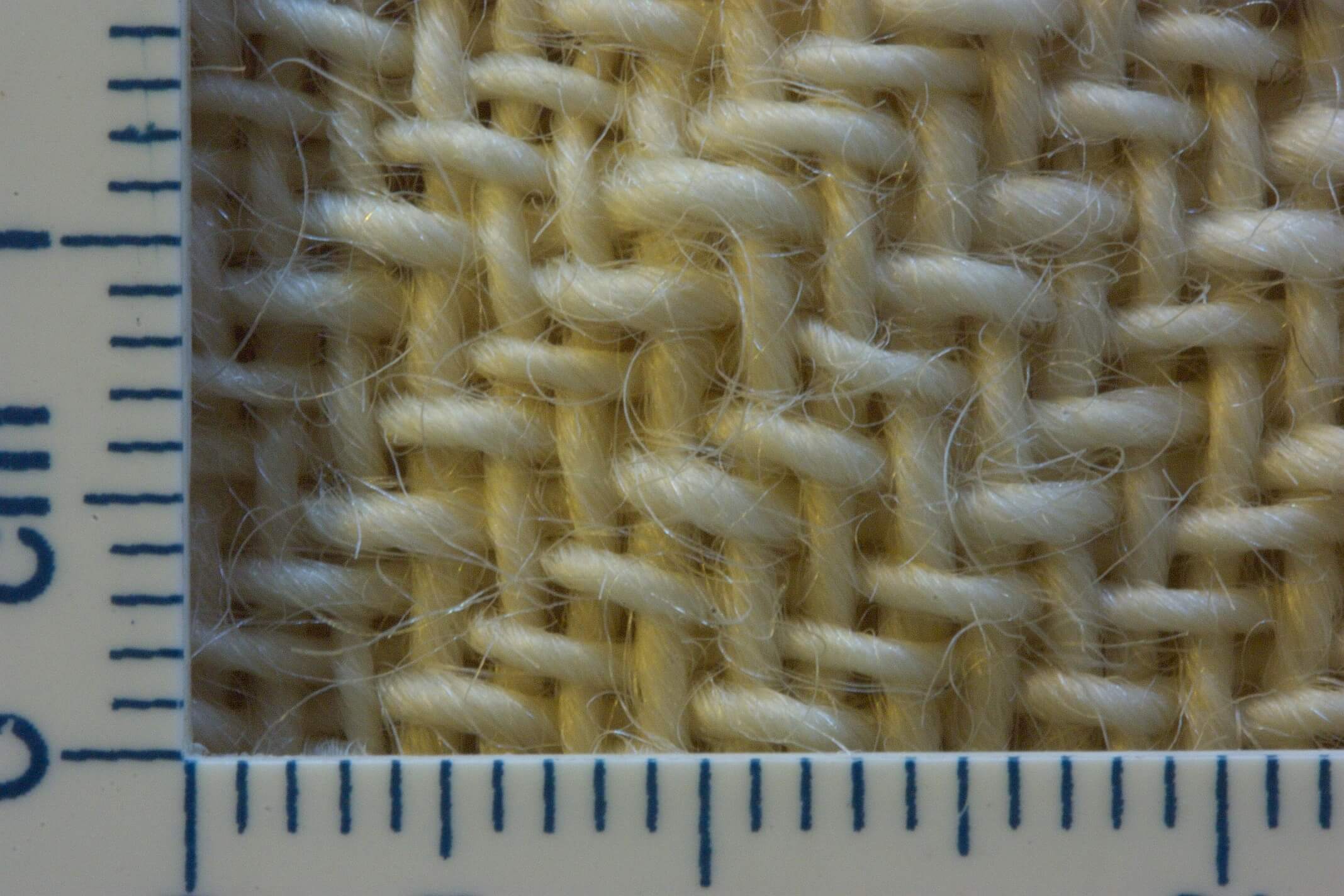
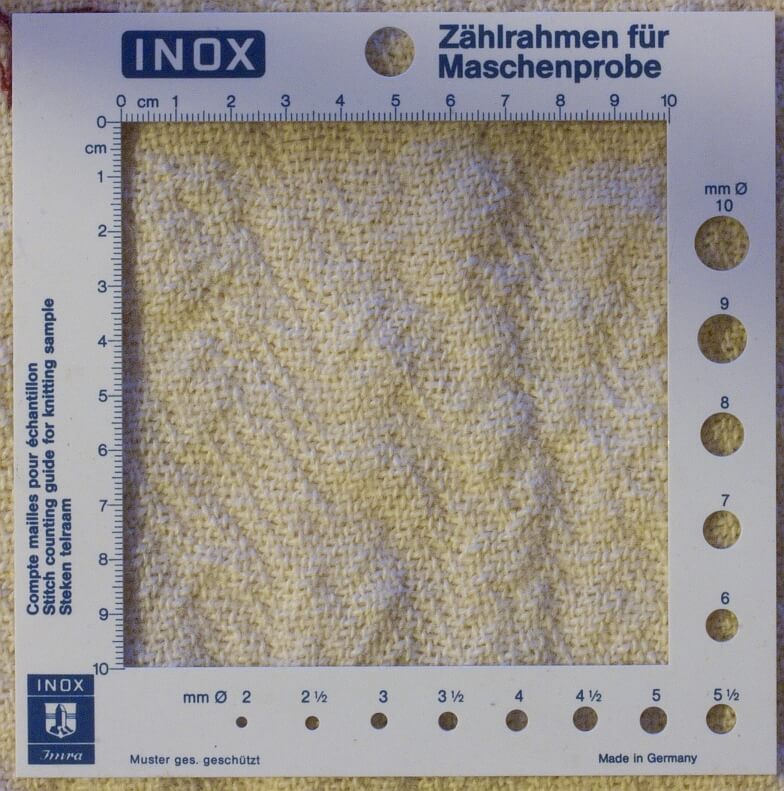
Here's a closeup of the threads after washing:

koeper_detail
And tomorrow, it will go off to new adventures - cloth metamorphosis part two!
0
FEB.
28
0

You Like Knitting Old Stuff?

If you like to knit and would like to do so in the name of science (yay!), or like to spin in the same name, there's a recent project about Knitting in Early Modern Europe looking for volunteers to do just these things. The main task at the moment is spinning yarn to specifications taken from the original items, then knitting small round swatches and fulling them. This is done to test theories on cap construction without having to knit a full cap (which is rather a lot of work compared to knitting a few smaller swatches).

To join the KEME volunteer team, you will be required to fill out an online form, and you can get instructions for spinning and knitting from team member Rosalind. Read more about the project in their first newsletter, and their second one. (These also contain contact data for Rosalind - I'd rather not get her extra amounts of spam by posting her mail address right here...)

Feel free to tell a friend or three if you think they'd be interested, too!

 
0
FEB.
27
2

Cloth Metamorphosis.

The third batch of cloth for the project is done, and it turned out just beautifully. Here's the cloth in its raw state:

klstoff_roh
After a little soak and a bit of a wash, it looked like this:

klstoff_gewaschen
And then I took a little walk on it, and after about one hour, I had this end result:

klstoff_gewalkt
I find it totally fascinating how the fabric changed - especially its hand, which went from stiff and coarse in the raw fabric to firm, but still somehow soft and fluffy in the fulled version. And I can't imagine a more beautiful tracking effect than the one apparent in the fulled fabric - it looks splendidly like diagonal lines even though it's plain weave throughout.
0
FEB.
22
0

Occasionally, archaeotechnic will kick you in the face.

I've already hinted at it - while the packing cloth has turned out very nicely, and the sailcloth is about as perfectly as I had imagined it, there's a third type of fabric to be done... and that one is acting up. Considerably.

Doing archaeotechnical work (as in "recreating stuff known from archaeological sources") is interesting, and exciting, and lovely, and usually it is great fun. It is even more so if you are doing it as part of your work, and are actually getting paid for it.

However, archaeotechnical work also includes a guarantee that you will occasionally get kicked into your face by your technique and materials. You've not estimated correctly how long something will take, or how difficult it will be. Something behaves unexpectedly and throws all your plans into the garbage bin, leaving you to draw up new ones and do the work again. Leaving you also to lament your monetary gains that are joining the plans at the happy bin-party as your work hours, now unpaid, rack up and up and up. Germans have the term "Lehrgeld" for things like that - the tuition fee you pay, in this case to life.

And yes, all of the times in the past that something like this has happened, I did get to learn a lot from the experience. However, it is still painful. It's not only the feeling that you have made a mistake, or two; it's the tendency for a bad feeling to creep into your soul, making you think that maybe you are not competent at all. Maybe it will never work. Maybe you should never have agreed to do it.

It's especially painful if it is taking a colleague along for the ride, and the self-doubts are not getting fewer with someone else hanging in the same bad spot with you. There's no way out, though, but to try it again and again, keeping at it until you succeed. Hopefully before the deadline has rushed by... and at the moment, I think I can already hear it. (It does not help that February has fewer days than any other month in the year...)

If you're looking for me? I'll be spinning some more. Again.
0
FEB.
14
5

Hah. Blocking.

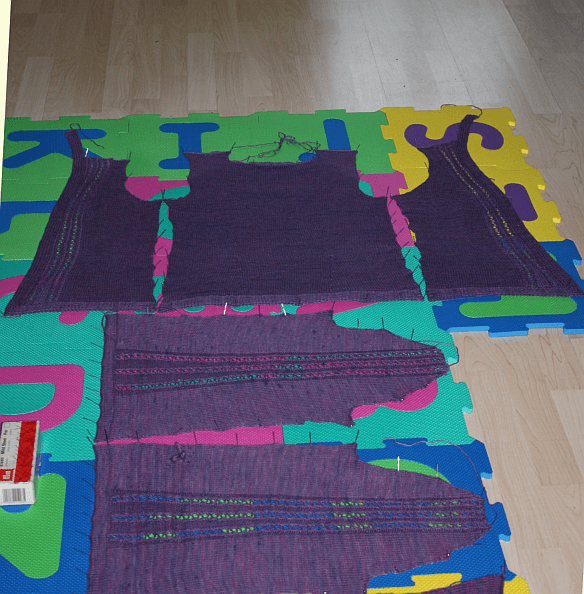
Now, finally, after hanging out for a while, they have been soaked and patted in form and stuck with pins:

blocking
My very first sweater. Once it's dry, I get to sew it together (exciting!) and then I'll get to find me some nice buttons for it. Yay!

(It's Vignette, modified a bit regarding the fit.)
0

By accepting you will be accessing a service provided by a third-party external to https://pallia.net/

Kontakt