Latest Comments

Guest - Harma Too Many Images Error.
27 November 2026
There have been weeks in November in which I would talke about 800 pictures. Proof of very interesti...
Guest - Max Mustermann The True Cost of Driving a Car.
06 November 2026
Great breakdown — the non-fuel costs are exactly the bit most people forget when they compare cars. ...
Guest - Harma Phew. Now it gets involved!
21 October 2026
Have fun at these events.
Guest - Aislinn Dyestuff Citizen Science.
09 October 2026
This is a great project. I look forward to the results. Thanks for letting us know.
Guest - Aislinn Time for...
09 October 2026
Looks delicious!
FEB
19
2

It has happened again (Part 4).

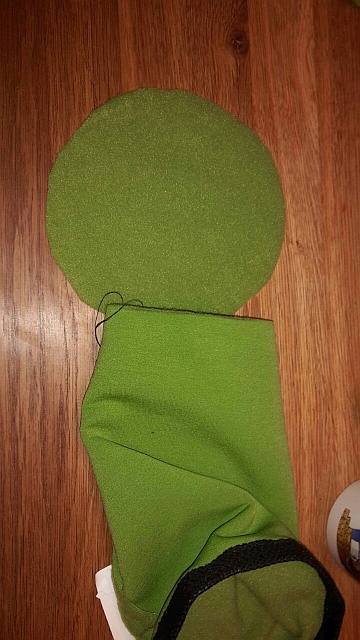
The inner bag is made from a bright green fleece fabric, consisting of a bottom circle and a fabric tube.

löwe_08

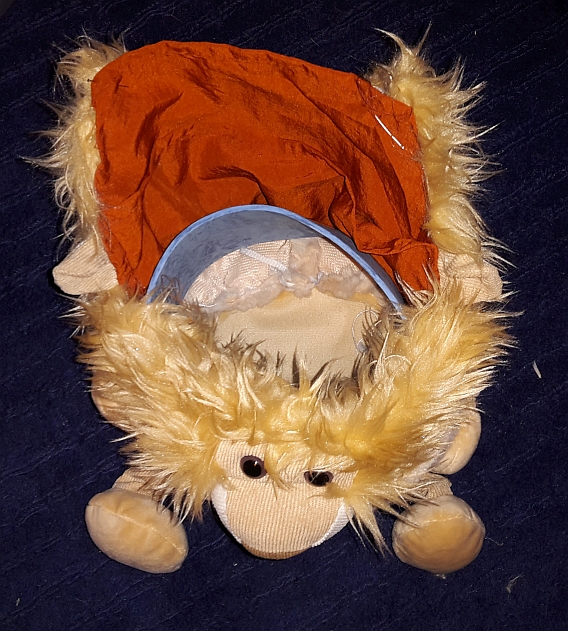
The upper rim of the tube has a stiff black band sewn onto it to keep it open. That whole thing was then stuck into the lion inside the foamed rubber tube, and secured to the bottom of the lion skin in the front and the back.

Then, a bit of the polywool filling went back in, at the front and at the sides of the little guy, to get him back into his rotundish shape.

löwe_09

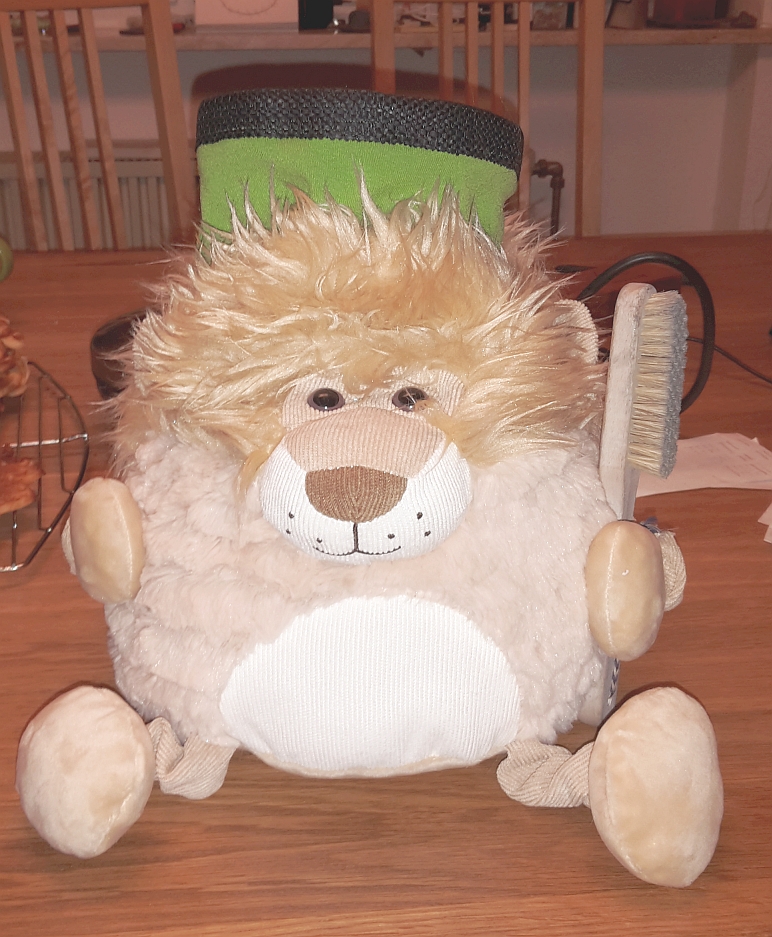
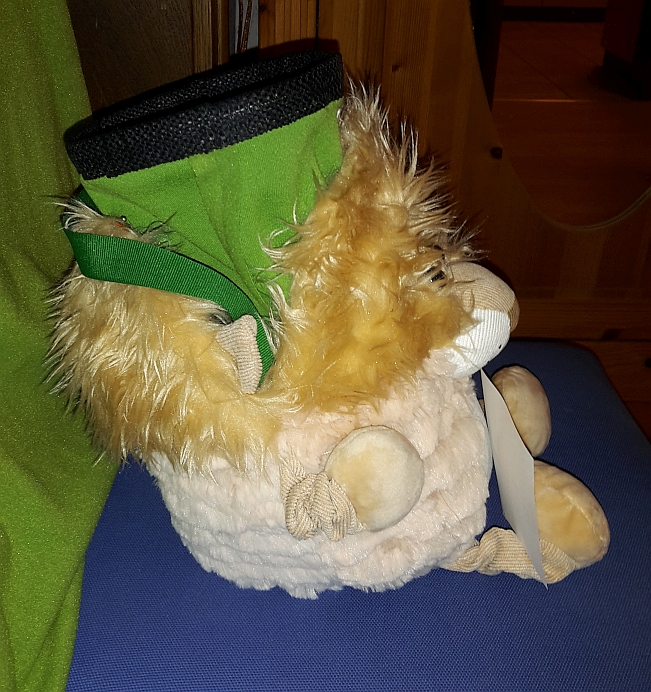
As a final step, I sewed a band to the sides of the opening for easy carrying, and then stitched the fleece to the outer fabric in the front and to the pocket lining in the back. Two press buttons to close the top of the head when not in use as a bouldering bag, a bit of rubber string that helps the pocket lining to fold when closing the bag, and voilà - a very unique chalkbag:

löwe_07

löwe_10

When closed, it almost looks like before; the only difference is that the forehead is more receding now than it was originally - but that cannot be helped.

Can you tell I had a lot of fun making this?
0
FEB
16
0

It has happened again (Part 3).

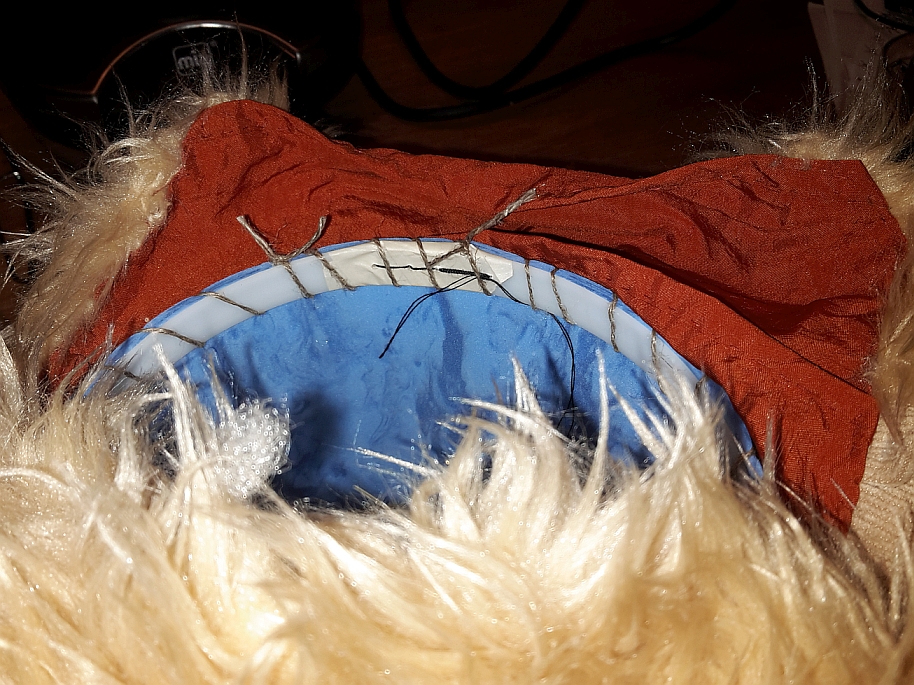
Some scrounging around, and I got hold of a flexible strip of plastic that was large enough to bend into a ring - there was the necessary stiffener. After temporarily fixing it with tape, a few drilled holes and some kevlar sewing thread (yes, we have kevlar sewing thread, and it's really nifty!) make sure it will not fall apart in the future.

löwe_05

The ring is attached to the top of the tube with linen yarn and whipstitch. Of course I ran out of yarn three stitches before the round was closed...

Then it was almost done. Almost... but not quite. There's some nice, bright green colour missing, I think!
0
FEB
15
0

It has happened again (Part 2).

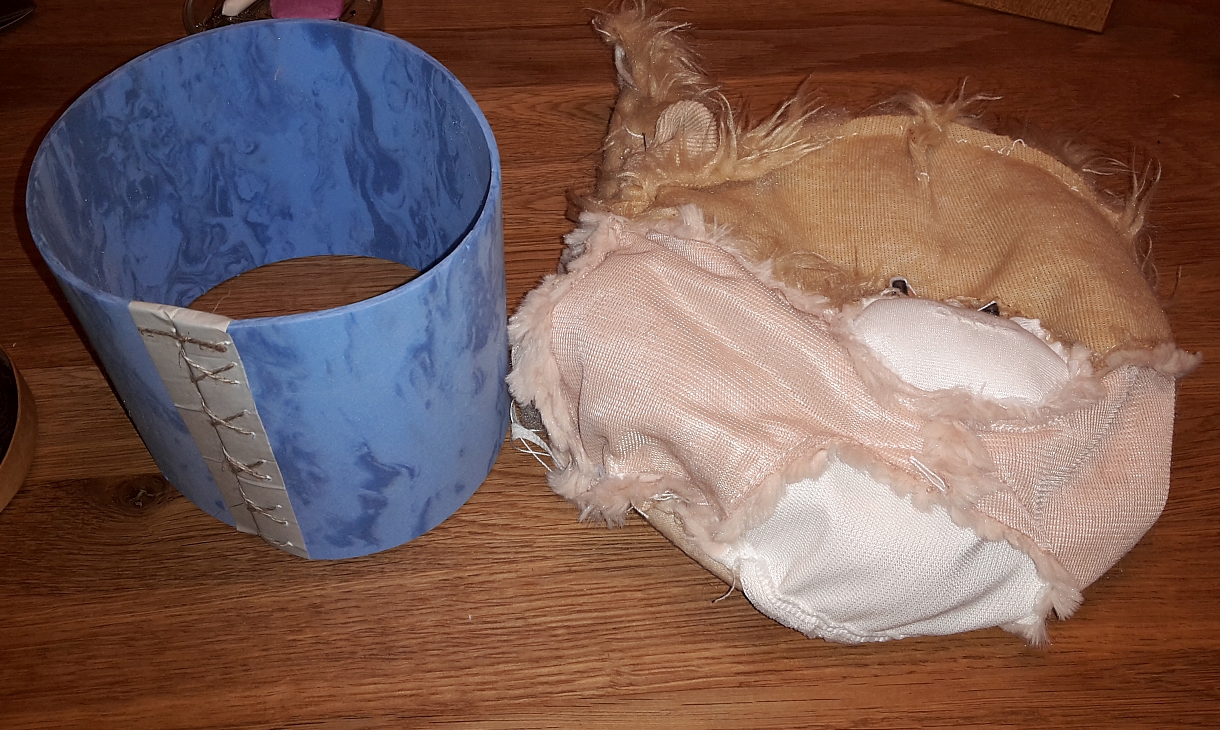
So the first thing the little limp lion now needed was some sort of lightweight stiffener for the chalkbag itself. Coincidentally, we had some foamed rubber lying around, so that got conscripted, cut into a fitting wide strip, and sewn together to make a tube.

löwe_03

You can see the lion is so excited about this that it has turned itself inside out! It was a very nicely made toy, by the way, with neat and sturdy seams all around.

The inner tube needed to be fixed to the inside of the lion to make sure it stayed in place. Some of that fixing was achieved with a few stitches right at the befginning, the rest was done by stitching the fleece liner to the bottom of the lion skin.

Next step was sewing and attaching a pocket to the inside of the lion's back. This also serves as lining for the inner back. The pocket is big enough to hold a phone, which is important as our friend likes to take his phone along and snap a pic or two when he's bouldering.

löwe_04

While mucking about with the lining, it quickly became clear that the foamed rubber will provide enough stiffness vertically, but that the opening would deform too easily... so some stiffening for the upper rim was needed, too.

You'll see that one attached... in the next post!
0
FEB
14
0

It has happened again. (Part 1)

Last summer, I took home a plushy toy rat, and it miraculously turned into a chalkbag for bouldering.

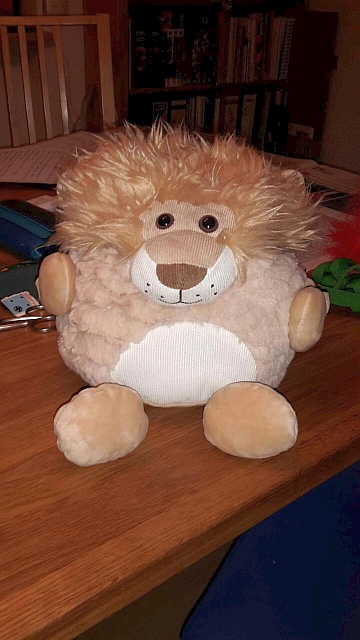
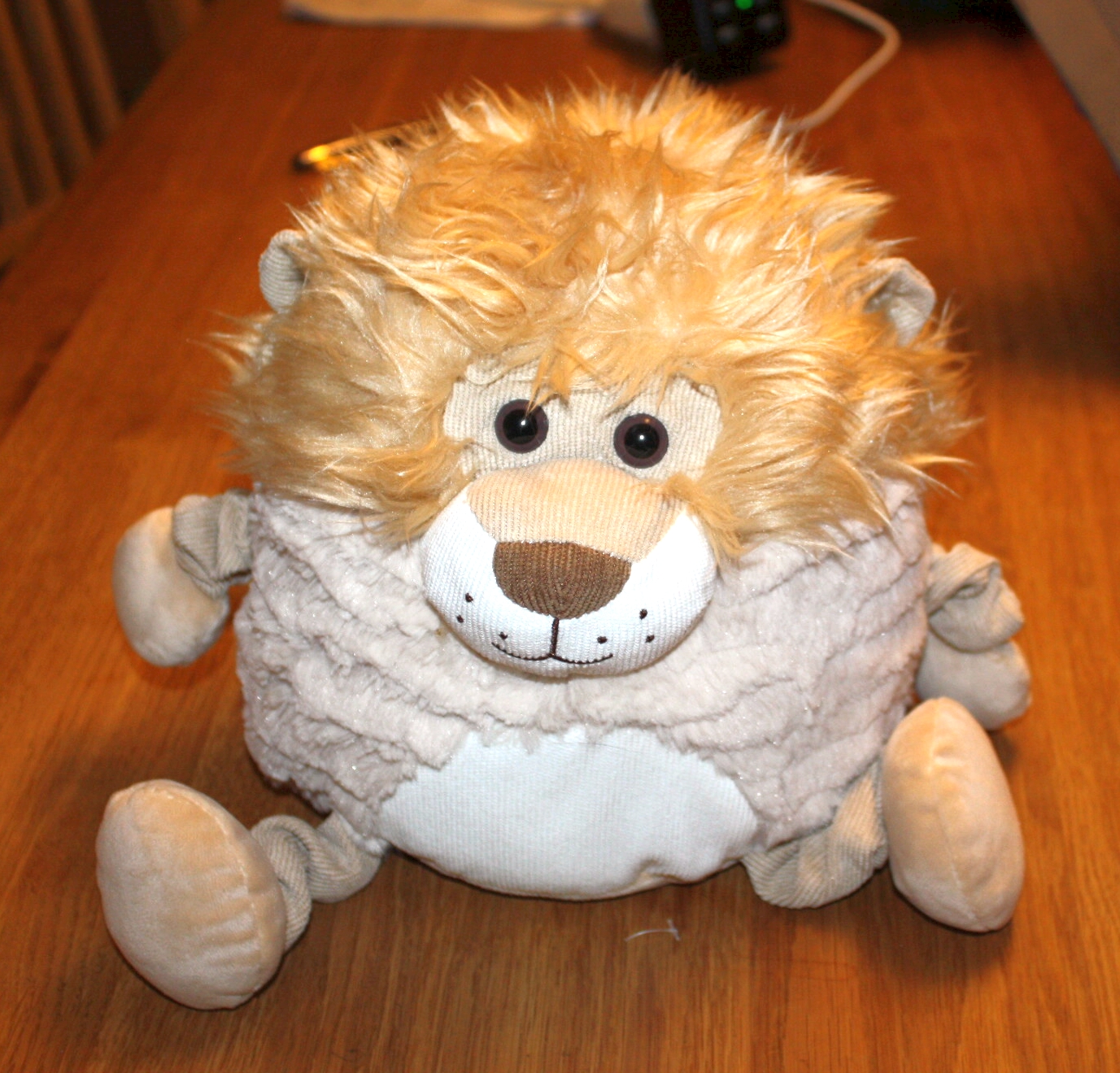
A few days ago, a friend of ours, also a climber/boulderer, had his birthday... and just before the party, we found, by chance, this cuddly little lion in a shop:

löwe_vorher

It more or less screamed "miraculous transformation" at us. So our friend got a cuddly toy, and a voucher for its total transformation into a chalkbag. And this time I took a few more pictures of the things happening to it.

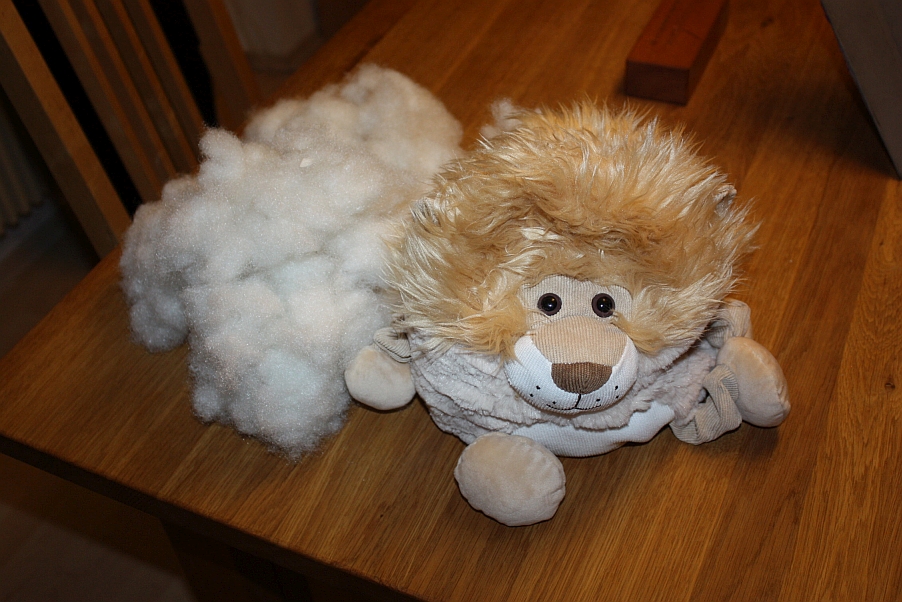
First of all, it had a little head surgery, opening up the seams on the top of the head, and then it lost its polywool filling.

löwe_01

Yes, all of it.

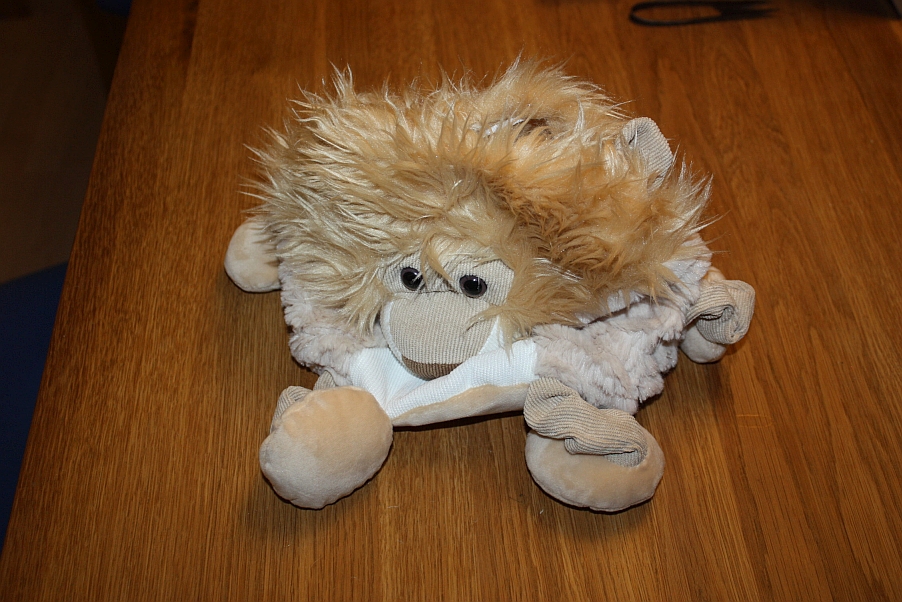
It was a huge bag full of filling... and then we had this limp little lion:

löwe_02

So. Things you want to have in a chalkbag? Space for the chalk itself, obviously; that should be some bag-like thing that closes off tightly to prevent dust from coming out, and should be fleecy on the inside, again to cut down on dust.

It also needs a handle of some kind to be carried easily, something to hold a brush or two, and some pocket to put in other small items.

Brush holders, in this case, were easy, as the little arms were already threaded with  elastic, so all I had to do was sew the paws to the body. The rest was a little more work... which you'll see in the next post.
0
FEB
13
2

Linkapalooza!

It's time for a stack of links again - here you go:

There's a four-wheel velomobile being developed, and the 0-series has now been unveiled: Podbike. It's a bicycle with electric assist, a fully closed chassis, and it sort of smudges the line betwen car and cycle. To my great and utter delight, as I firmly believe that human-powered vehicles with additional energy sources are the thing of the fture, and one way to make personal transportation more sustainable.

The Lendbreen site has an interesting article about why they are not wearing gloves when handling their finds. Gloves can be a good thing and necessary in some cases, but there's been a relatively recent development towards handling things without gloves again, also out of the field. The reason? While gloves may protect the artefact from body oils and sweat and DNA traces, they will also reduce feeling in the fingers of the wearer, and handling may then be rougher than necessary - resulting in damage to the objects. So in the end, it's a trade-off, and when there is no danger to the person handling it (as there might be with contamination with pesticides) and no danger for the object from body oil or moisture (as will be with polished metal, for instance) it may be best to leave the gloves off.

Speaking of pesticides: There's a public survey run by the EU to learn about citizen's takes on pesticides, and how much of their use should be allowed. In Germany, the use of pesticides has increased since 2006 - which is not a good thing. You can go here to fill out the survey, and please do spread the word about it.


0
FEB
12
0

Whew.

There's a freakingly large box sitting in the wintergarden, and the wool to be carded is almost fully sorted. Numbers are accumulating in the Kickstarter planning spreadsheet - still lacking some crucial ones, but at least there are more ideas coming up, and that's a good thing. There's some other sorting and sifting going on, to get the stock back into order before the next season starts.

Also - more writing. Some editing on a very, very overdue project, and I start to believe that at one point it will be done and finished... which is a very nice feeling indeed.

Finally, the Textile Forum survey is all done and tested, so there will soon be a newsletter regarding the Forum - plus the website is, wonder over wonders, almost in a state where I can launch it. So. Things are moving, in a good way.

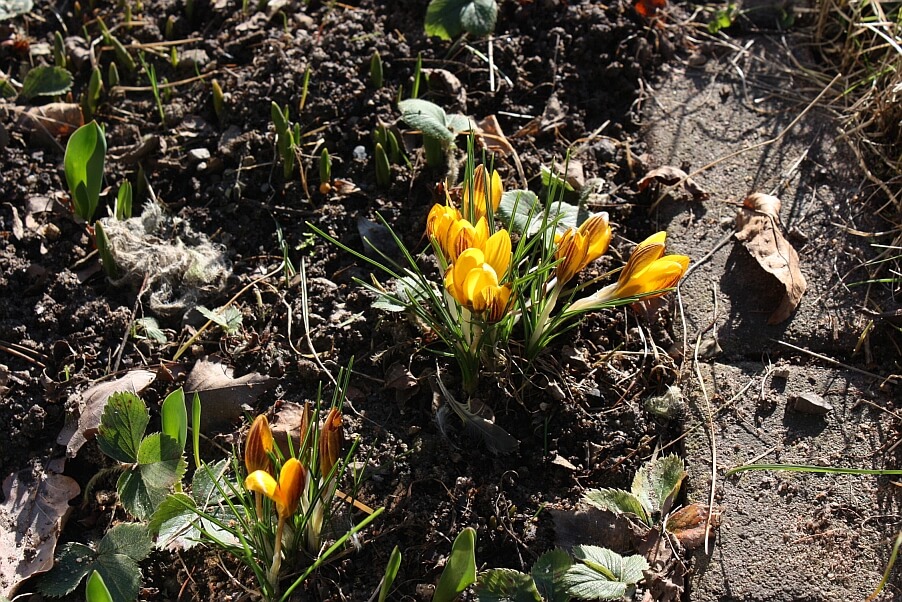
Have some crocus buds to celebrate with me:

crocus

 
0
FEB
09
0

Scary Things.

From time to time, or so I've heard, it's good to do something that scares you.

Well. Maybe there's truth to this, and maybe not, but whichever is the case, I'm going to do something that scares me - I will run a Kickstarter.

And yes, that's really scary.

Ages ago, when I published my thesis in German, I was already thinking of getting it translated into English. What I did not know back then was how difficult it would be to get this done. Translating is hard work, and it needs to be done carefully, and this will take time - especially for a hefty volume like the one I wrote. I remember almost toppling over with surprise when I got an estimate for the translation costs the first time. Then I did some test translating, and the appropriate maths that goes with it, and yes - it's sound. It's fair.

It's also a shitload of money, because it takes a shitload of time.

So it's a small wonder that a traditional, smallish publishing house will not be willing, or able, or both, to pay for the translation costs for a book that, despite its relatively great success in Germany, is still a niche publication. Which is a problem.

Finally, though, I have found a publishing house with people adventurous enough to try and go for alternative funding for the translation... which means a normal book contract for the book itself, and a Kickstarter campaign to pay for the translation costs, with the printed book as one of the pledge rewards.

And this is what I'm currently working on (yes, well, among the other things, obviously): trying to think of all the expenses and possible pitfalls, and trying to work out what pledge levels to offer. It's a task that somehow keeps on growing, as the questions add up, and it's surprising how much of an individual pledge's money will disappear into item costs, fulfilment costs, payment and kickstarter fees and taxes.

I'm also still wracking my brain about possible pledge rewards. (Suggestions are more than welcome - it's hard for me to imagine what you might want!)

So. Scary stuff. Happening. Let's find out if that thing about being scared really is a good thing!
1

By accepting you will be accessing a service provided by a third-party external to https://pallia.net/

Contact