



Search the Blog
Latest Comments
Guest - Max Mustermann
The True Cost of Driving a Car.
06 November 2026
Great breakdown — the non-fuel costs are exactly the bit most people forget when they compare cars. ...
Guest - Harma
Phew. Now it gets involved!
21 October 2026
Have fun at these events.
Guest - Aislinn
Dyestuff Citizen Science.
09 October 2026
This is a great project. I look forward to the results. Thanks for letting us know.
Guest - Aislinn
Time for...
09 October 2026
Looks delicious!
Guest - Katrin
Sprang Discussion
18 September 2026
Hi Rachel, I have looked for more photos of you, but that was not very successful. I found a link on...
More from the hood.
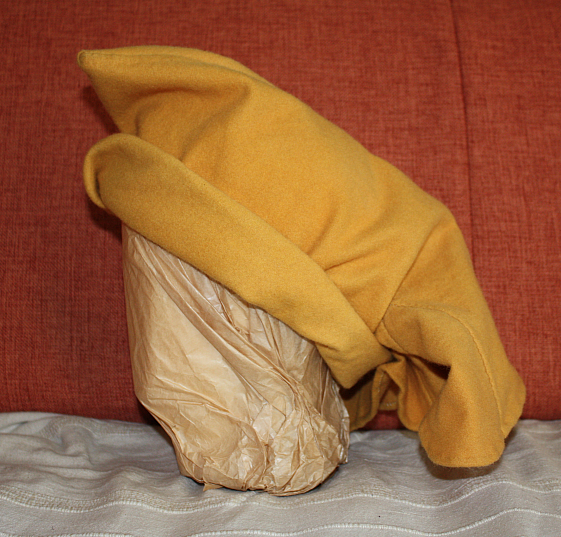
Here are, as promised, the other photos from the finished hood. It's placed with the head opening on my demo head - a popular way of wearing hoods in the late middle ages.
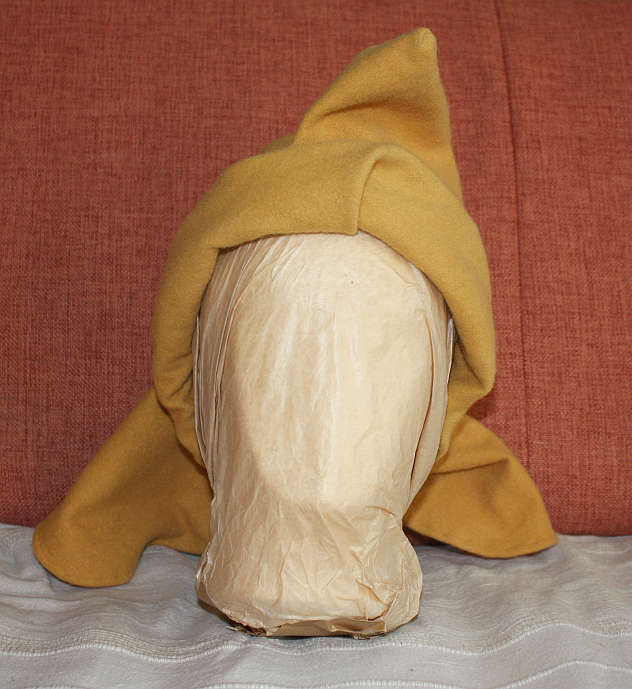
The wool is a lightly fulled tabby, dyed with weld (reseda luteola) and a tiny smidgeon of madder (rubia tinctoria). The seams are running stitches, and the seam allowance is folded to one side and secured/neatened with hem stitches, in some places folded apart and secured to both sides of the seam, also with hem stitches.
The cut is oriented on the hoods found in Herjolfsnaes and London, with a shorter "cape" part than, for instance, the Bocksten find hood.
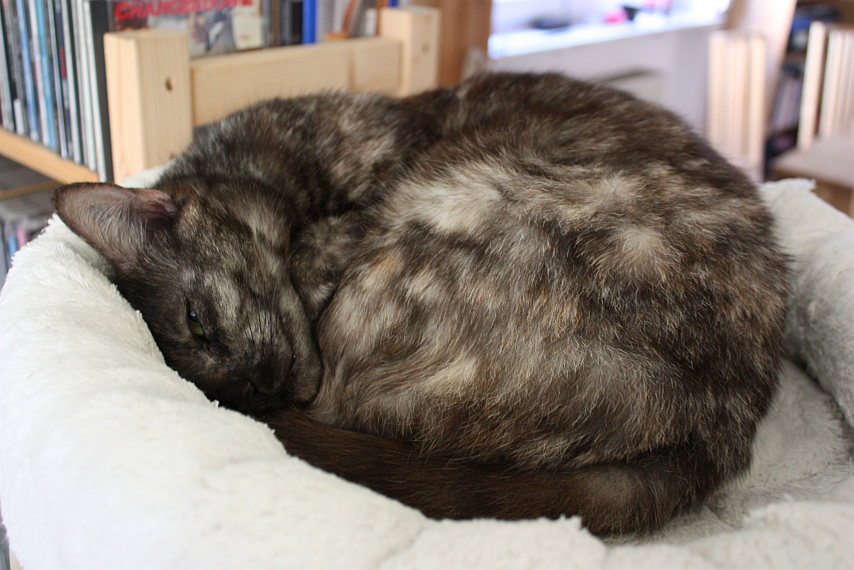
And also: Gratuitous cat pic.

By accepting you will be accessing a service provided by a third-party external to https://pallia.net/