Latest Comments

Guest - Katrin Sprang Discussion
18 September 2026
Hi Rachel, I have looked for more photos of you, but that was not very successful. I found a link on...
Guest - Beatrix Sprang Discussion
15 September 2026
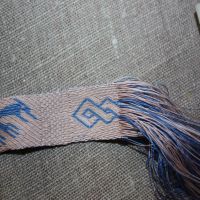
That lozenge pattern element is not a photograph, but a scan. So it should be to scale. But I pinned...
Guest - Katrin Sprang Discussion
15 September 2026
I was not referring to Rachel's reconstruction (is the reconstruction you refer to the one photograp...
Guest - Beatrix Sprang Discussion
14 September 2026
There is something Rachel did not mention. She told me: "Well, I worked with the measurements we too...
Guest - Katrin Sprang Discussion
14 September 2026
Well, this is certainly developing into an interesting discussion. Firstly, going from that lovely l...
AUG
10
2

Slowly, slowly...

I've already told you about my chili plants, at least a few things - and now, finally, they are starting to bloom. Slowly. And with some hiccups.

There's a variety of chili breeds in my pots (moved, again, outside, but out of hare's reach, or so I thought), and some of them are unknown (as the seeds came out of my spice rack, so it's either Ecuador Purple or some unstabilised mixed breed). All of them were started rather late, with the seeds sprouting mid-April, and there have been some losses due to snails and hare bite.

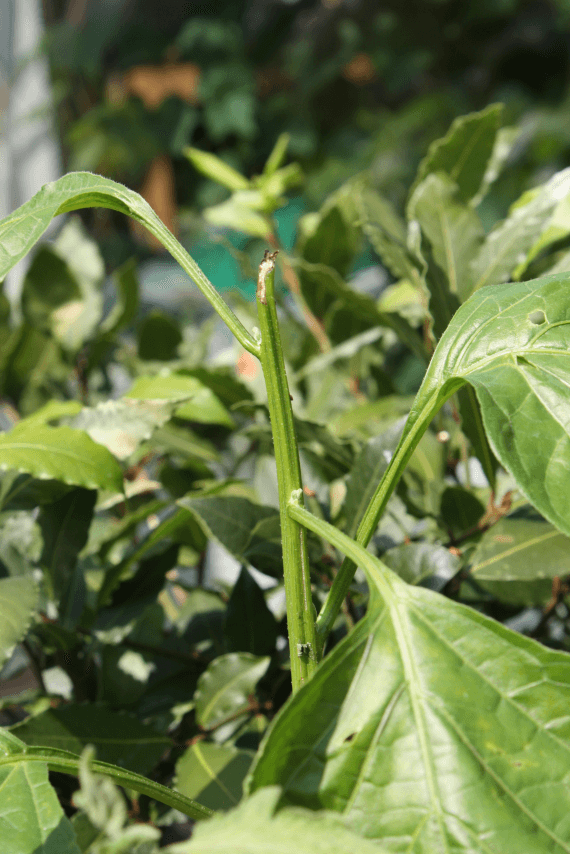
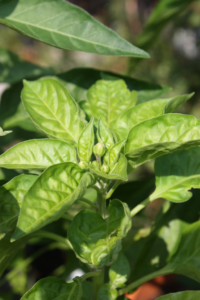
Now one of the larger plants has sadly lost its head.


I don't really know how that happened; it was not eaten, the lost crown lay beside the plant in the pot. With all the nice little buds it had. I'm quite sad about that, especially as I have only that one so far along of the kind, but I hope it will rally itself and make a bunch of side branches with flowers.

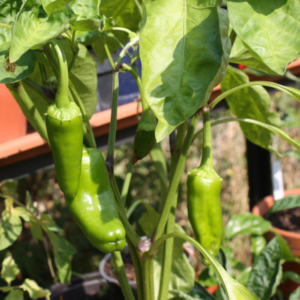
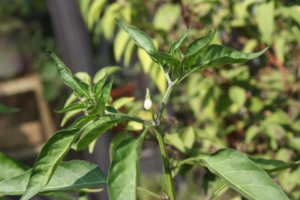
That was one of the more vegetable-y peppers, which tend to be quicker than the chilis in my lineup here. One of them actually has produced fruits already:


They will take a bit longer to ripen, though I'm very tempted to try how they taste still green. I like green peppers best anyways...

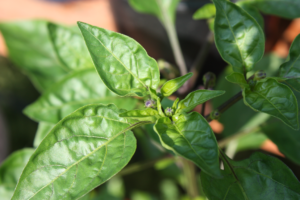
But yes, slowly, the chilis are getting ready as well. There's no open flower yet, but that is a question of days, as the buds are growing larger and larger on some:


And here's a view of Ecuador Purple buds - pleasingly purple, too:


I'm quite happy about all that, I just hope there won't be more losing of heads to whatever made that one plant shorter!
0
JUL
28
2

Tomatoes.

I am quite, quite fond of tomatoes - though I remember that as a child and even teenager, I didn't really like them. These days, I do grow them myself, with varying success though unwavering fun. I find it especially fun to have a variety of different breeds, and I do take seeds myself to grow them again the following year (though admittedly I don't take too much care to prevent cross-pollination, so things may deteriorate over time...)

Here's some of the current crop, most of them still working on getting ripe:

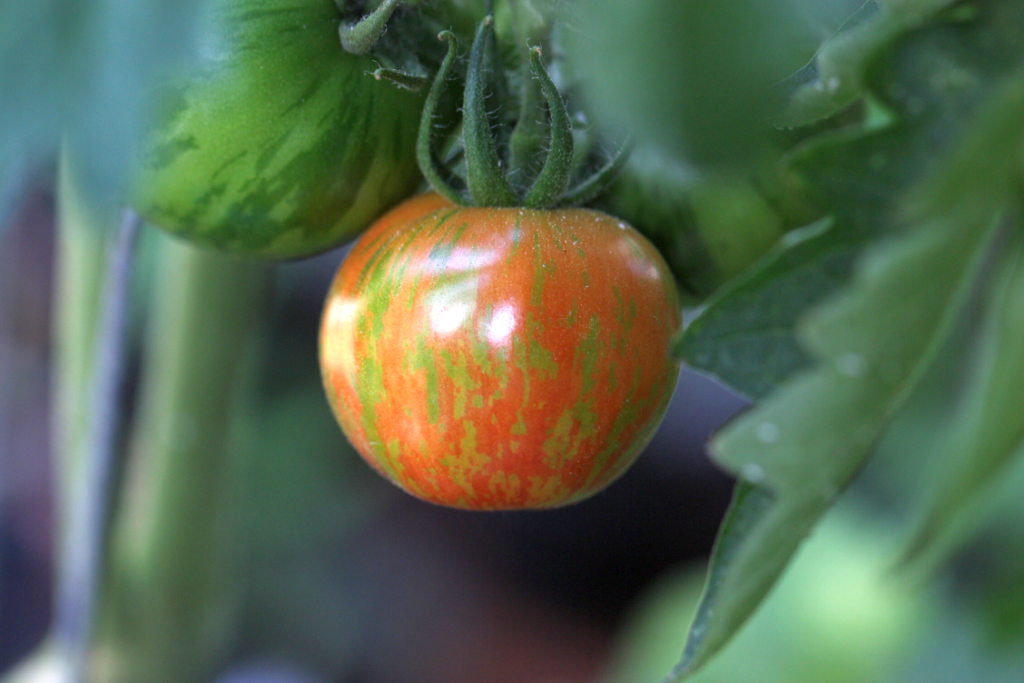
[caption id="attachment_5480" align="alignnone" width="640"] This one's a Tigerella - with fancy tiger stripes. Not completely ripe yet, but definitely working on it!


I got the Tigerella seeds a few years back as a present from a friend who's mostly out of touch now - so having these tomatoes also holds some pleasant memories for me.

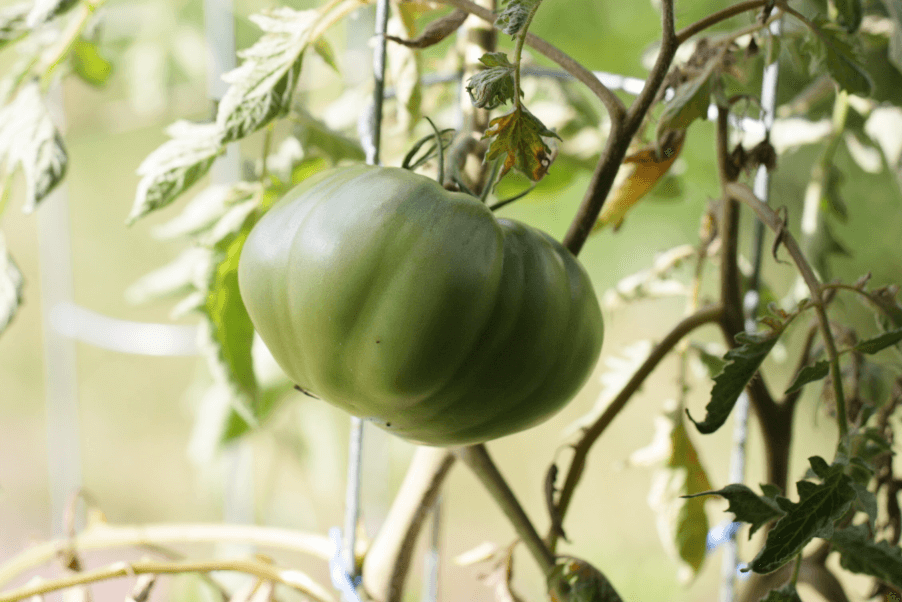
The next one is a "Sibirische Fleischtomate", literally "Siberian beef tomato". At least that is the name it was sold under when I took one of these from our grocery box, also a few years ago. The plants make just few, but rather large fruits:

[caption id="attachment_5482" align="alignnone" width="902"] Sibirische Fleischtomate!


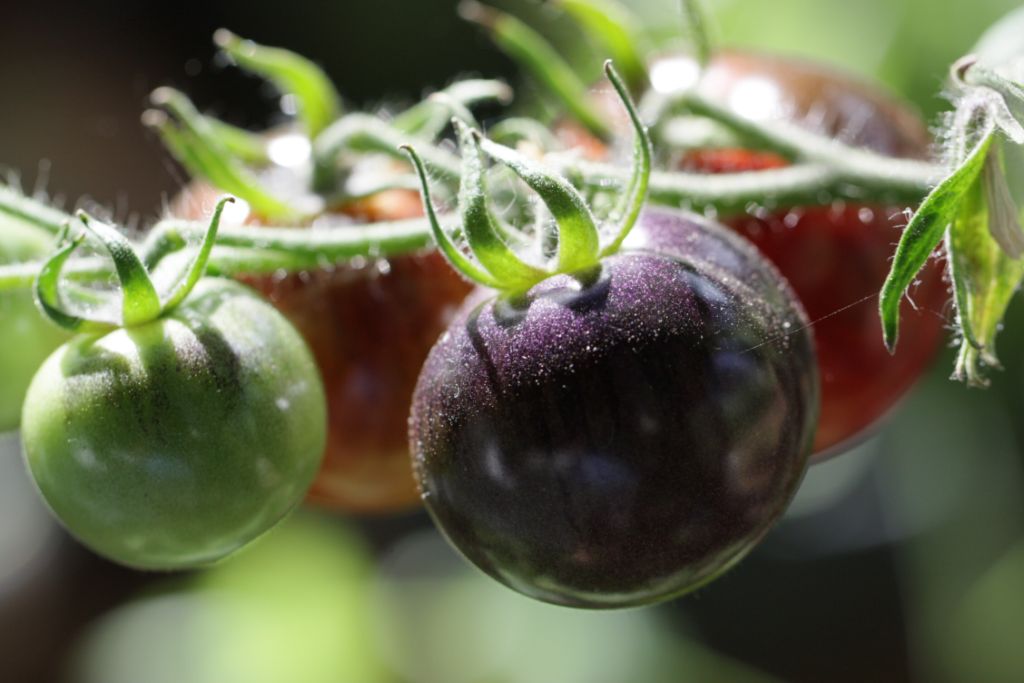
And finally, a souvenir tomato - I brought back a few packets of different seeds from our last summer holidays, among them one kind of tomato called "Indigo Rose". They are blue on top and ripen to a red-blue mix; tasty both raw and cooked:


Depending on the plant and on how much sun they are getting, the blue part is smaller or larger, and might even go towards a black colour. Definitely also a fun tomato, and looking at them brings back fond memories of hot summer days spent paddling...
0
JUL
27
4

Very British.

While discussing things about tea and coffee (and their availability, in specific types, in both Germany and England), a friend sent me a link to a company making real British tea. As in... tea grown in Britain.

Tregothnan grows tea bushes in Cornwall and sells tea (different kinds) as well as tea bushes (in case someone wants to grow their own tea). The prices for the "homegrown" tea might be a tad higher than the price for tea in your common supermarket, though.

Now if I didn't have all available spaces filled up with the current experiments growing chili peppers (most being surprise seeds from a random crossing, so nobody knows what kind of peppers they will grow), the Coffee Plantation (down to a more manageable ten or so plants now, as I've gifted a bunch to other people) and the Passionfruit Plethora (because flowers! and passionfruit!), I'd be tempted to get a tea bush...
0
JUL
20
0

More Bees and Beasties.

Here's some more from the Not-Lawn-Photosafari... including some scenes of life and death. Literally.

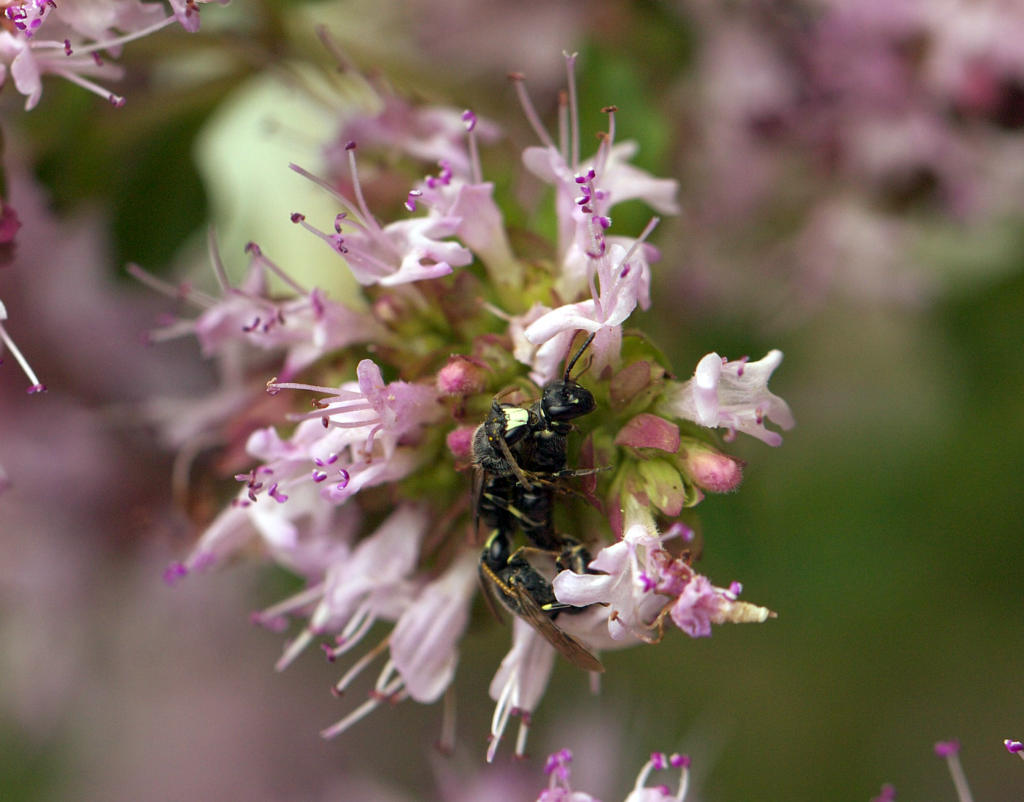
[caption id="attachment_5454" align="alignnone" width="508"] Some kind of Hylaeus bees, in German Maskenbienen, mating. Why there are three of them? I don't know, and they didn't tell.


So much for the life - there were other dramatic things happening, too:

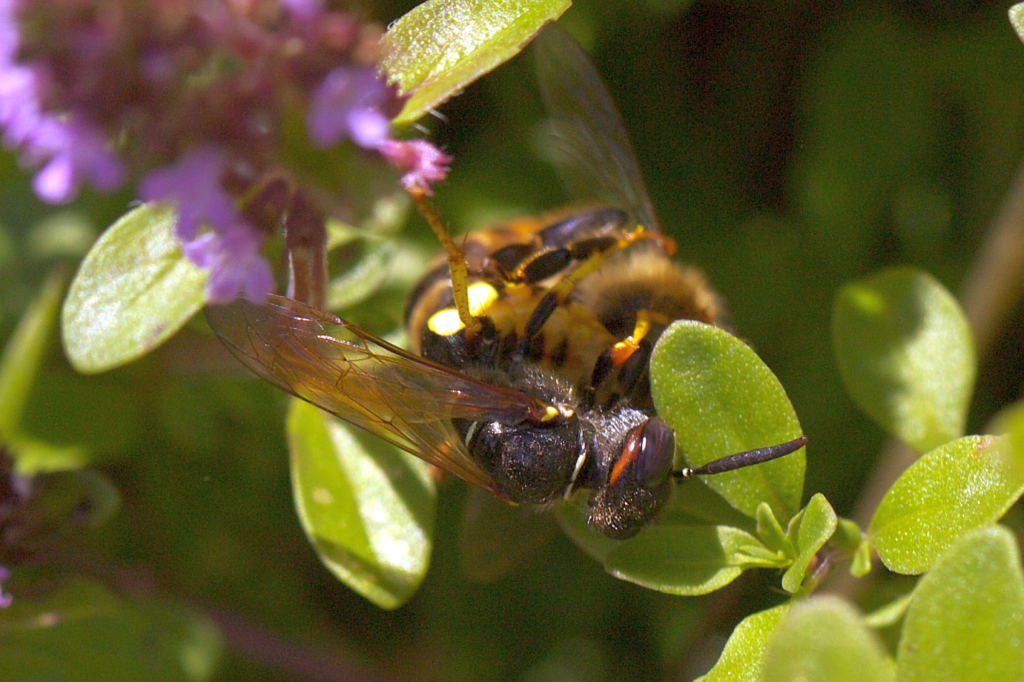
[caption id="attachment_5451" align="alignnone" width="428"] A wasp in a fight with a bee of some kind, probably trying to get some food for her young. (Both of them, in fact, were probably trying to get some food, but only one will go home successfully...)


And now for some calmer scenes:

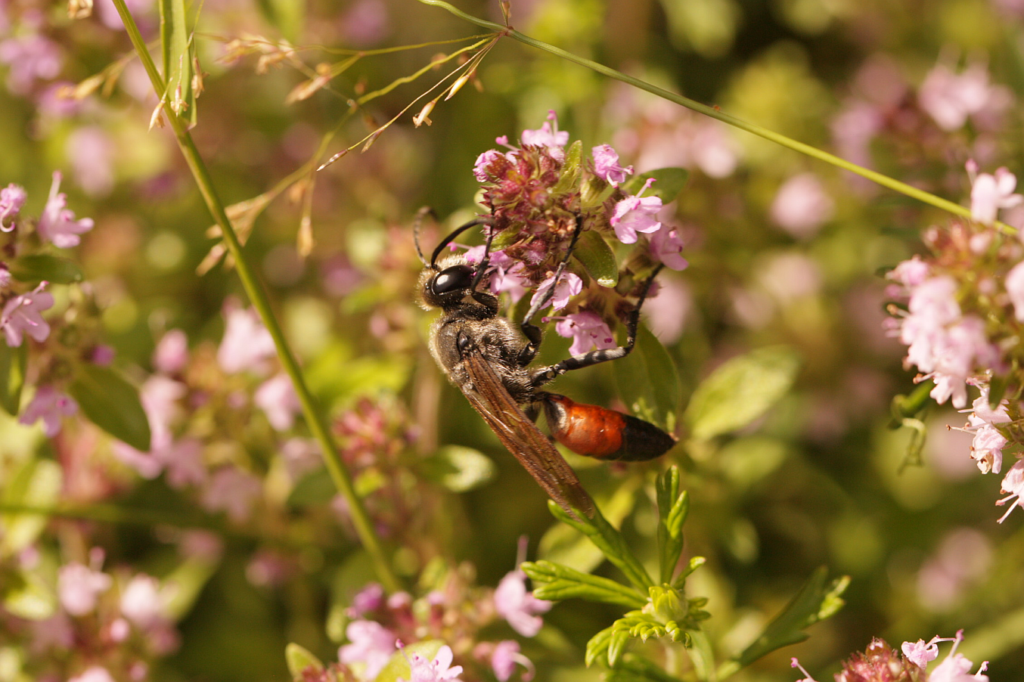
[caption id="attachment_5453" align="alignnone" width="428"] Some kind of wasp, as yet unidentified. There's lots of wasp-like insects with a red and black abdomen, as I've learned! It was about 3 cm in length, so fairly huge.


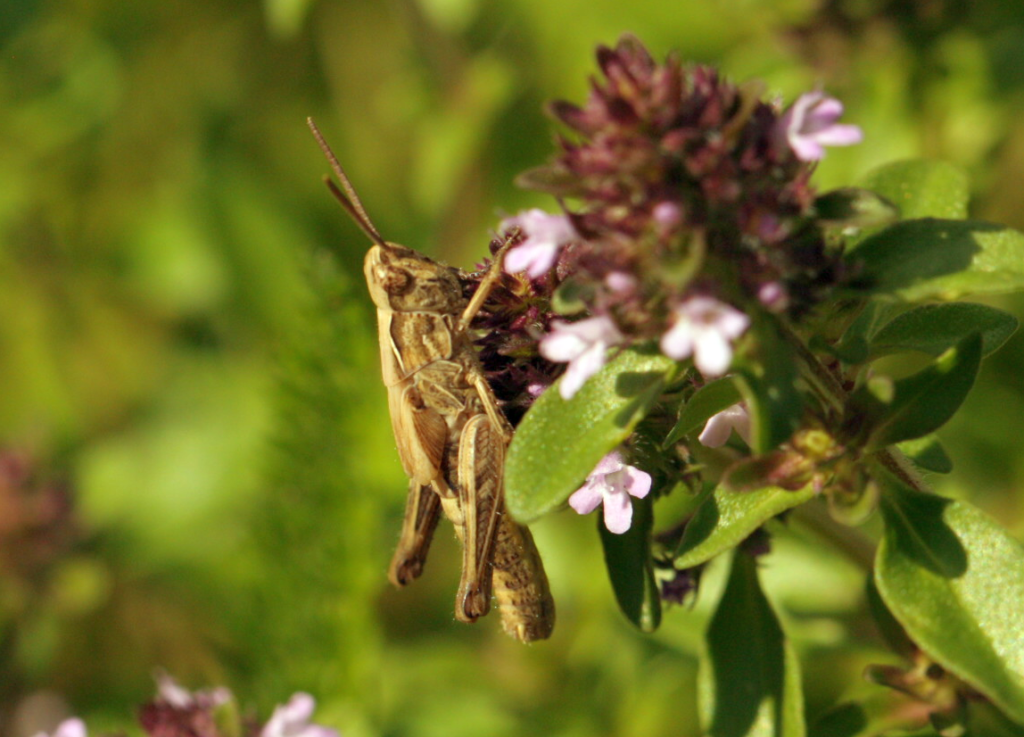
There's not just the humming sound of bees and other flying insects outside, too. There's also the lovely sound of grasshoppers making their "music", and I managed to get one of them banned onto digital "film":


I didn't even try to find out what genus or species that one is, but I absolutely adore the patterning on the legs and body. A very beautiful guy (or girl?)!
0
JUL
15
0

Gotcha!

Today's not much going on outside, bee-wise, as it's raining. Finally! Hopefully there will be enough water coming down during the day to refill our rain barrel, which was almost empty with all the watering of the potted plants. It's still too dry anyways for the time of year - another sign of the climate change. Sigh.

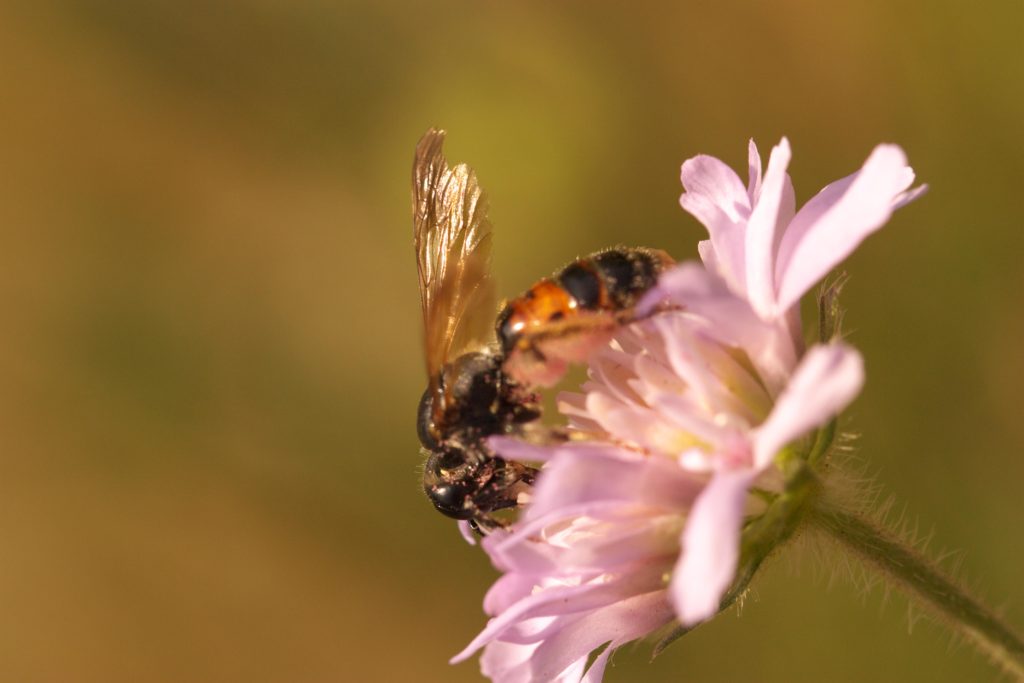
Good news, though: Yesterday was sunny and nice, and I did manage to take a few photos of the aforementioned red-listed little bee. No glorious photos, but decent enough to tell that it really is Andrena hattorfiana:


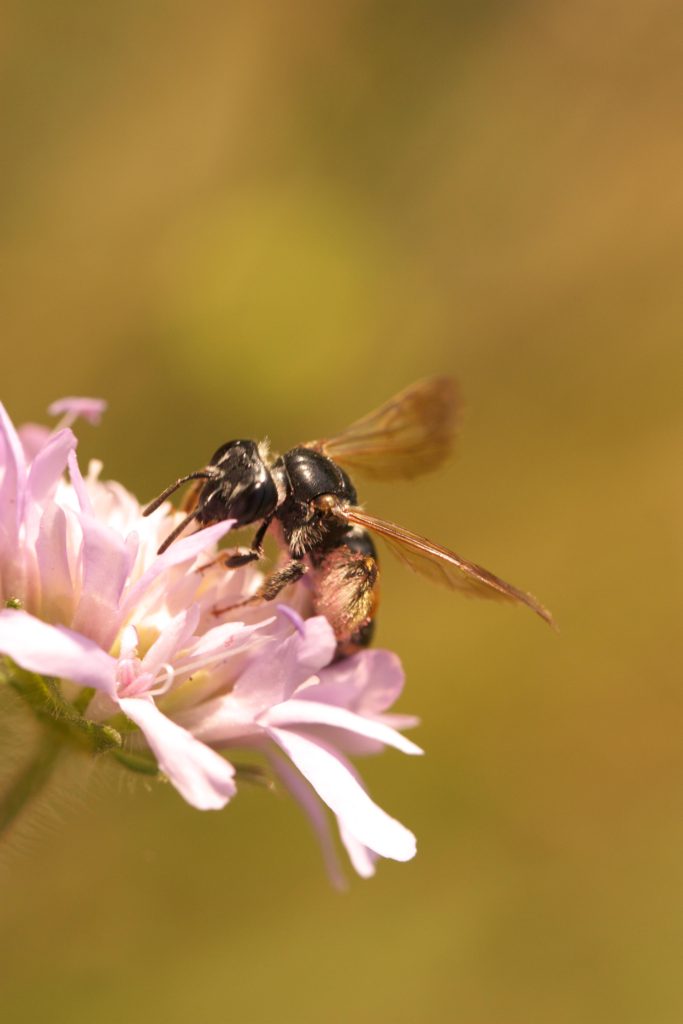
You can tell the species by the colouring of the abdomen - and the fact that the lady is gathering nectar and pollen from a specific flower genus, the Knautia flowers. Which happen to grow on our not-lawn...

Here's a second shot of the bee:


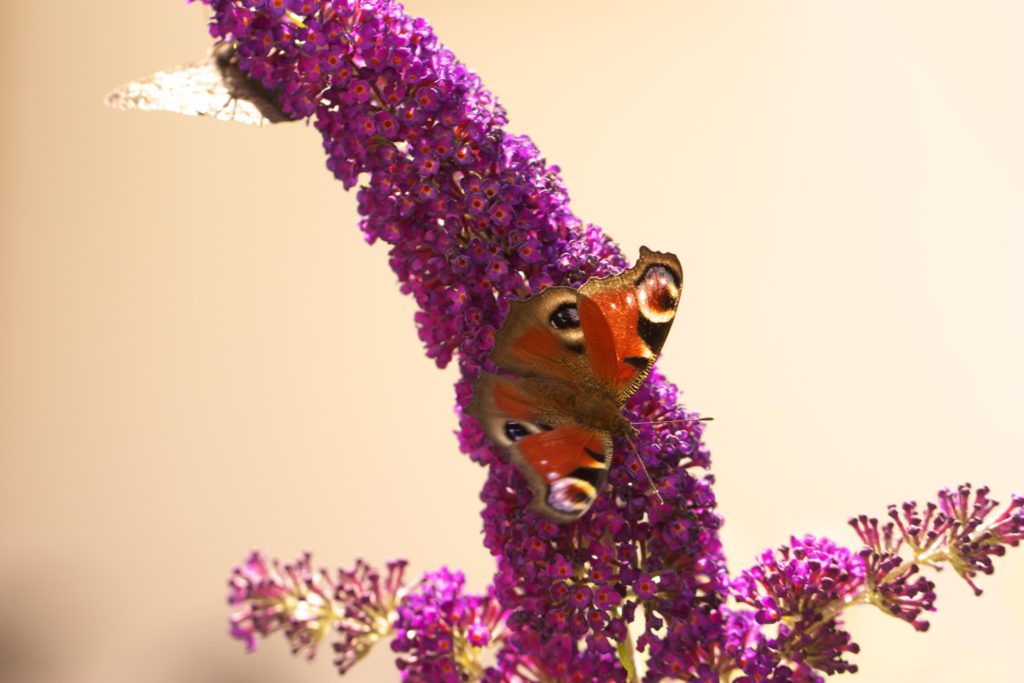
And as a bonus, an European peacock (Aglais io):


Actually it's two of them, one with closed wings is sitting right on top of the summer lilac flower.
0
JUL
13
1

More from the Not-Lawn.

The not-lawn is in blooming season now - almost all the wild thyme has flowers, and they are very much appreciated by a gazillion of flying insects. Which, to my great dismay, means that I actually have to wear shoes when crossing the not-lawn, or use the paved garden path, and keep to the more trodden-down other paths without bloom when going to the paved section. I got stung twice within a good week, even though I was walking very slowly and carefully, one wasp, one bee or probably bumble-bee. That is a good indicator of there being many more insects in our garden than last year, as I walked barefoot all year then and didn't get stung once!

Since I dislike wearing shoes at home, and the garden counts as "home", this does annoy me... but I can accept it due to the joy the number of bees, flies, wasps, grasshoppers, and butterflies the not-lawn brings. I even spotted one special bee that's on the red list, though I didn't manage to take a photo of it (yet).

There are some other beasties I did manage to get decent pics of, though:

[caption id="attachment_5441" align="alignnone" width="640"] Male Gallische Feldwespe (European Paper Wasp), polistes dominula. Note the yellow eyes!
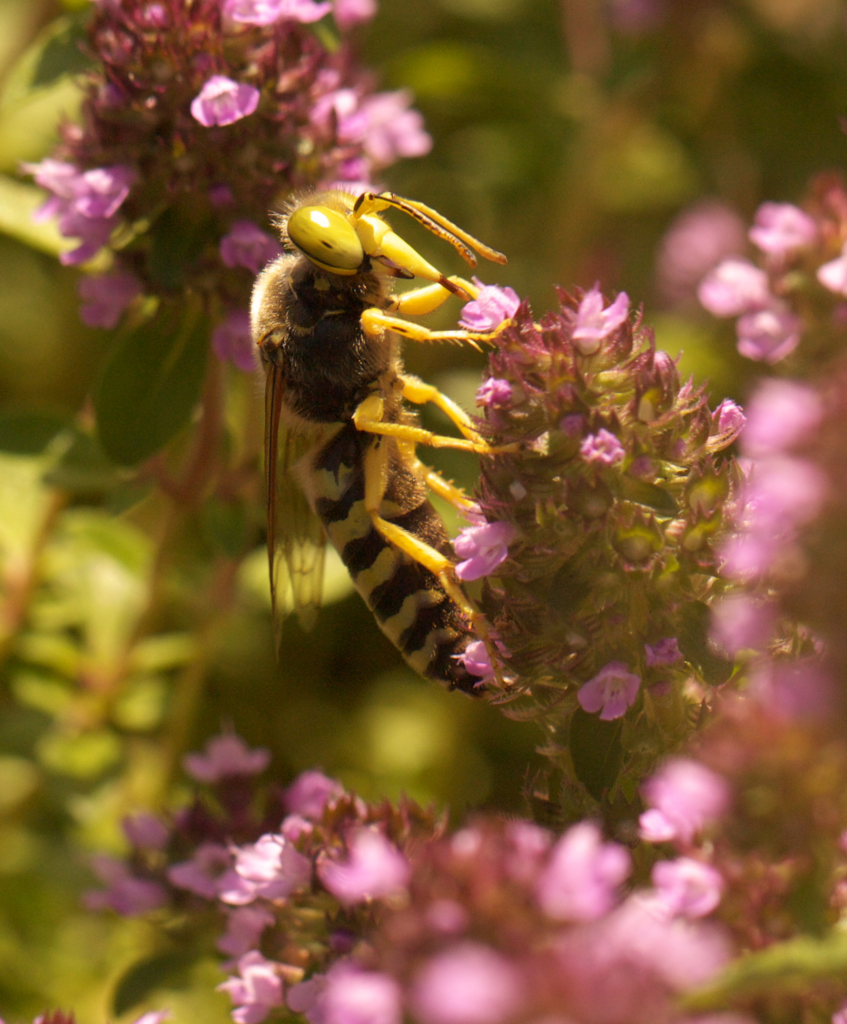

That was the first time we saw one of these; that guy was quite a bit larger than the ladies of the same species, which can be identified nicely by their long, orangey legs that hang down when they fly. It's one of the many wasp species that are entirely unattracted by meat or cake; they are also far less aggressive than "the" wasp Vespula germanica.

Next up: A very distinctive ass.

[caption id="attachment_5439" align="alignnone" width="567"] Gelbbindige Furchenbiene, Great Banded Furrow bee, Halictus scabiosae.
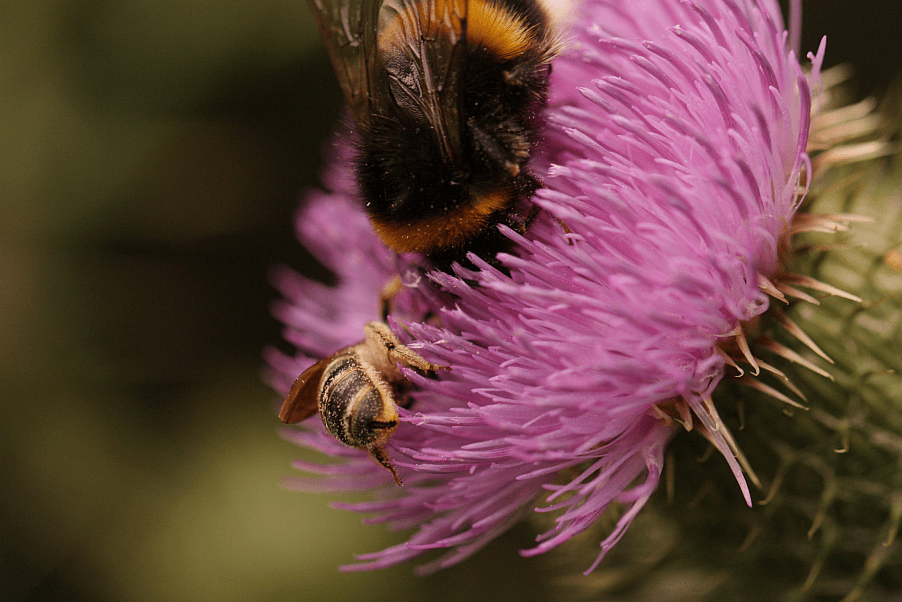

The furrow on the abdomen is what gives the name to this kind of bee. They're a rather frequent kind of wild bee.

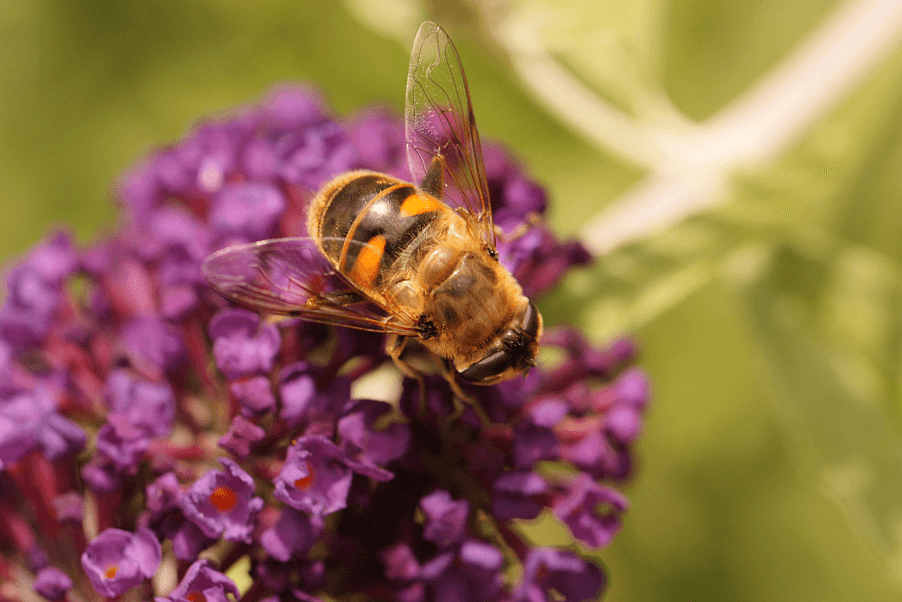
Next one is not a bee, but a kind of fly masquerading as a dangerous sting-posessing animal:

[caption id="attachment_5438" align="alignnone" width="902"] Probably Eristalis pertinax, a quite common kind of hoverfly.

Last one is one I haven't managed to identify yet - because there's oh-so-many different kinds of wild bees and other flying insects here in Germany. I'm actually content to roughly identify them (as in down to the genus, not necessarily the species, and not even considering the sub-species), but, well, with about 600 different species of wild bees in Germany... Sad thing, though: About half of this number is on the list of endangered species, as they are quite specific about their habitat or food plants. Which is one of the reasons I will handle wearing shoes to cross the not-lawn (and do it as little as possible).

So here's my unidentified red-ass-bottomed, ass-lifting little wild bee:
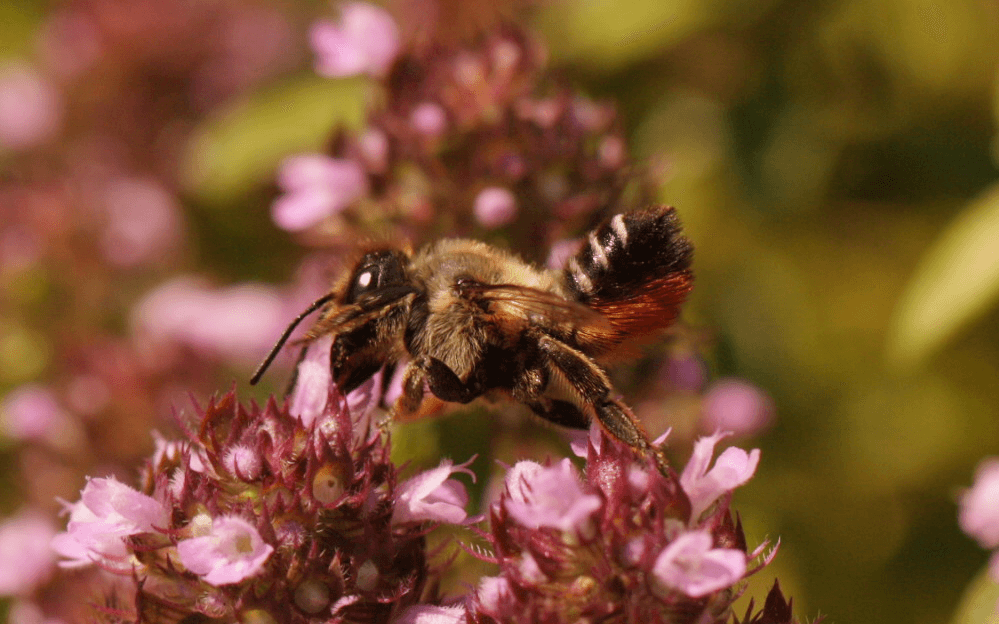


If someone happens to know what it is, please tell me!

And for the German readers among you, here's one of the many pages about wild bees in Germany, with some basic info. There'll probably be a few more posts about these small flying guys, as I'm entirely fascinated by them, and I quite enjoy going on photo safari with the macro lens!
0
JUL
09
2

Playing around.

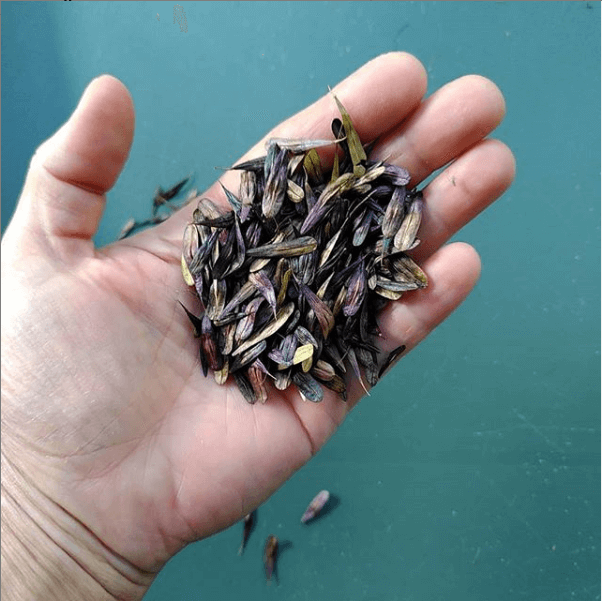
Due to this year's special effects, there's been some more gardening than usual... and there's also been the first proper woad harvest, both seeds from the plants that are now two years old, and leaves from the new plants.

The seeds are beautiful too - I find their colours spectacular:


They are fully dry now, almost falling off the plants by themselves, and some of them are going to find their way into the shop in the next days.

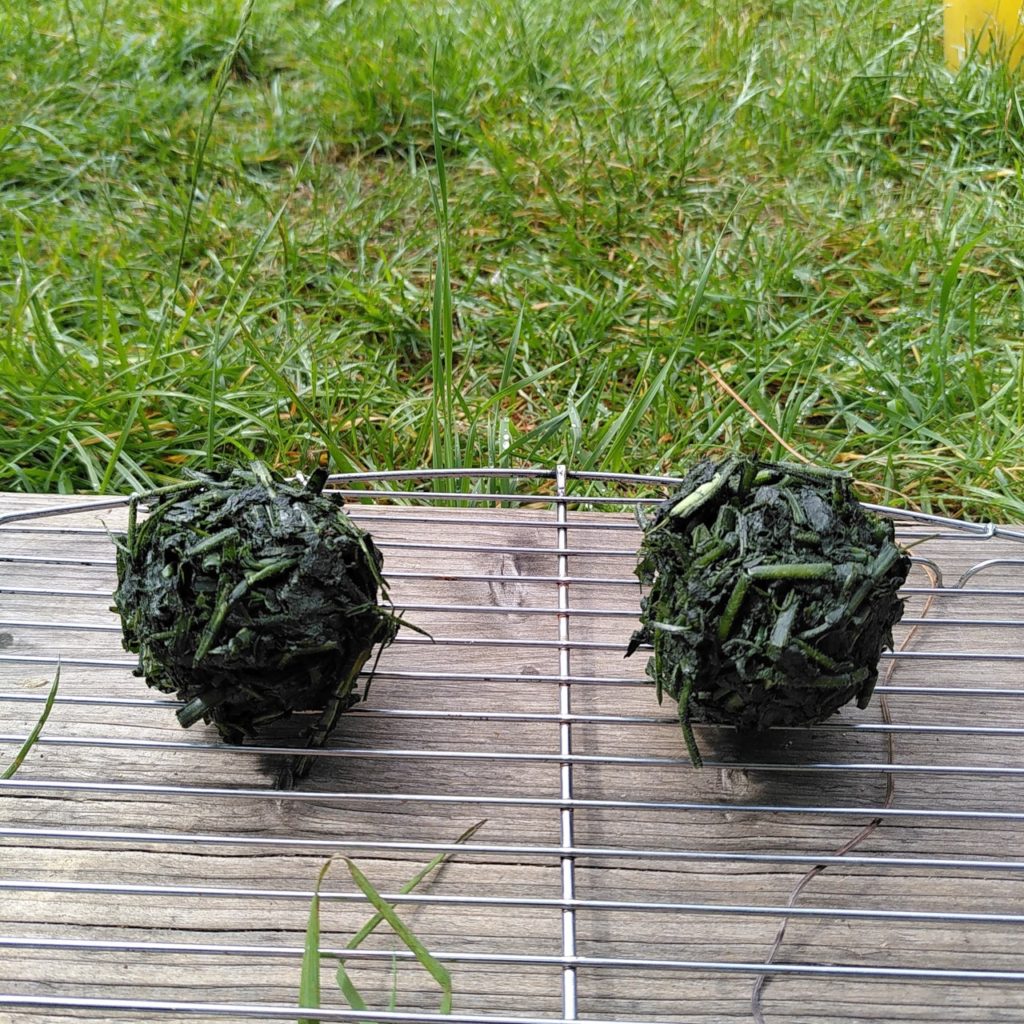
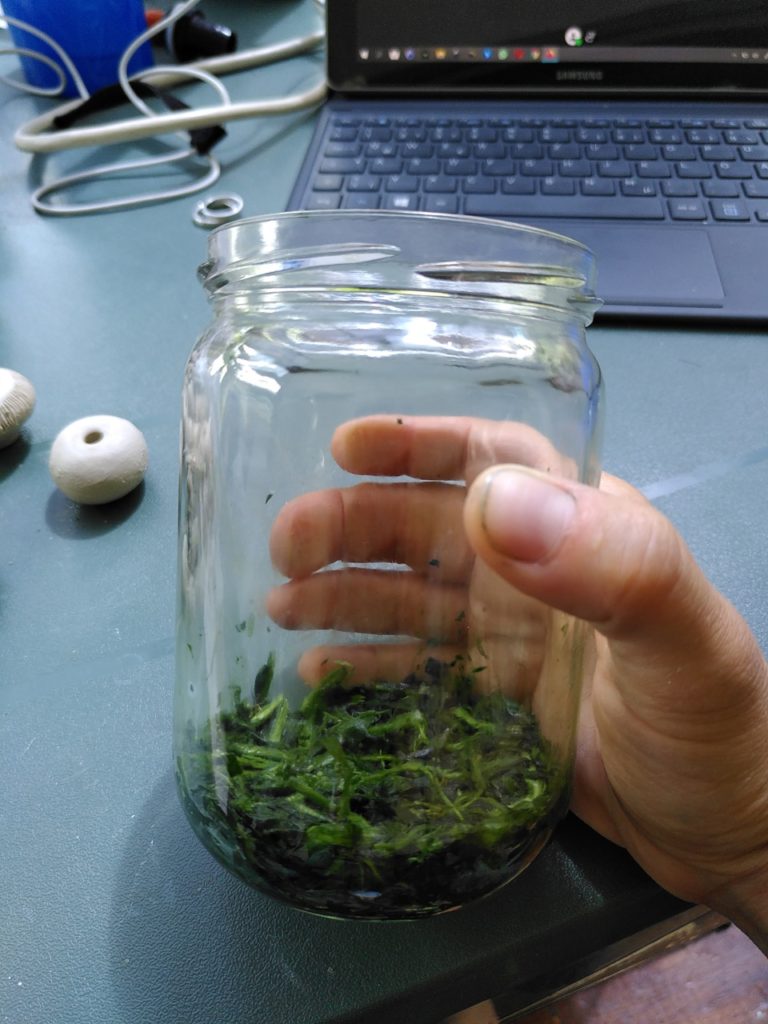
The leaf harvest wasn't huge, but enough for two woad balls, and there's a portion for a third ball currently sitting in a jar, as I want to try fermenting it for a bit before forming the ball.

[caption id="attachment_5428" align="alignnone" width="488"] My very first woad balls! My hands were bright green after making these... and there was even a hint of blueishness to the green after a while.

Now the whole thing has to dry out completely, and then it can be crushed and either couched (a kind of fermentation process) or used straight away for dyeing.

[caption id="attachment_5429" align="alignnone" width="382"] More woad crushed up, and ready to ferment for a bit. (Plus bonus fresh spindle whorls in the background...)


I'm having a lot of fun finally playing around with this!
0

By accepting you will be accessing a service provided by a third-party external to https://pallia.net/

Contact