
Latest Comments

Guest - Katrin Sprang Discussion
18 September 2026
Hi Rachel, I have looked for more photos of you, but that was not very successful. I found a link on...
Guest - Beatrix Sprang Discussion
15 September 2026
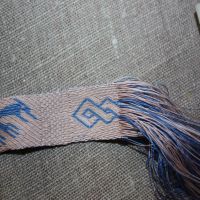
That lozenge pattern element is not a photograph, but a scan. So it should be to scale. But I pinned...
Guest - Katrin Sprang Discussion
15 September 2026
I was not referring to Rachel's reconstruction (is the reconstruction you refer to the one photograp...
Guest - Beatrix Sprang Discussion
14 September 2026
There is something Rachel did not mention. She told me: "Well, I worked with the measurements we too...
Guest - Katrin Sprang Discussion
14 September 2026
Well, this is certainly developing into an interesting discussion. Firstly, going from that lovely l...
MAY
08
0

Piccies!

Here are, finally, the long-promised pictures from the last big project - clothing for the newly opened museum at Burg Grünwald, Munich area.

I have not been there yet and have not been able to find photos, but as the museum only re-opened at Easter after extensive work on the castle and a redesign of the exhibition, that is not quite unexpected.

So you are getting the piccies I took before sending off the garments... with kind permission of my (very patient, and very lovely) models.
Let's start close to earth...


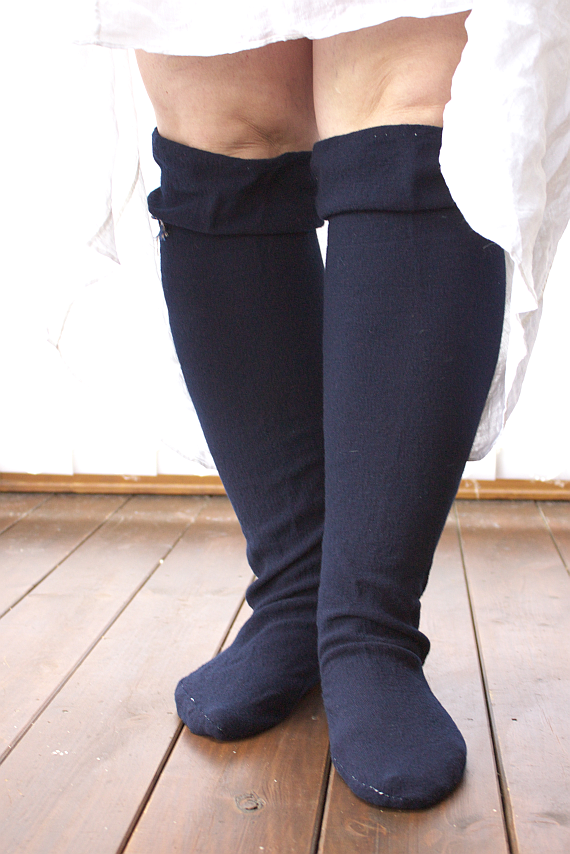
 ... midnight blue stockings for the lady, held with silk garter bands (braided) that you can't see in the picture (but they are there). That was lovely cloth and a pure joy to work with.
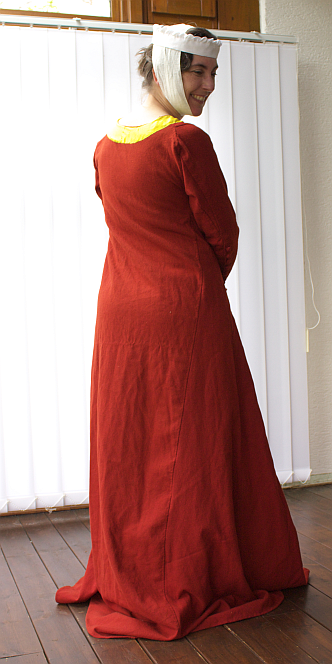

Obviously a lady has to wear more than just stockings - here is the red dress with its yellow silk neckband, and the barbe-and-fillet in the Manesse style.
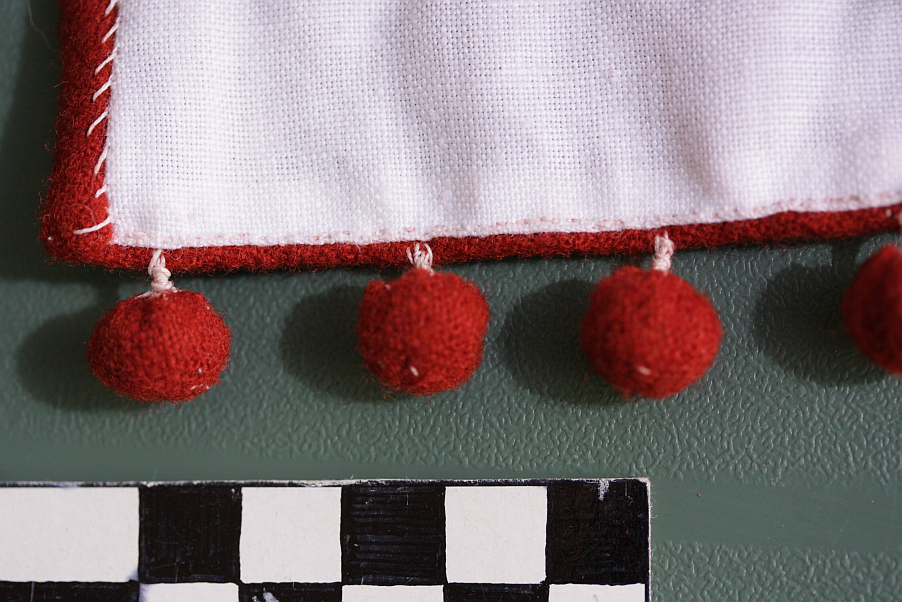

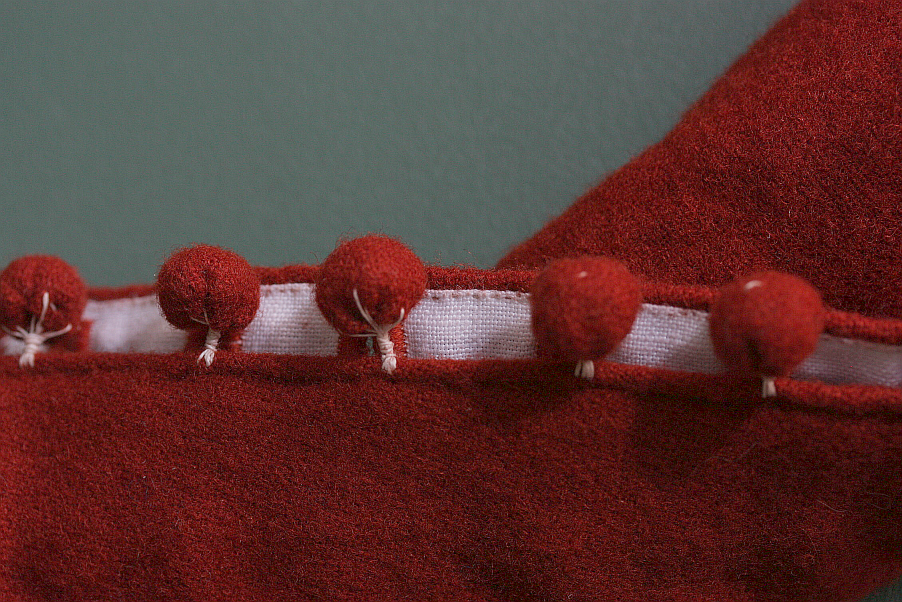
Another closeup of the buttons on the dress. I just like closeups of these guys.
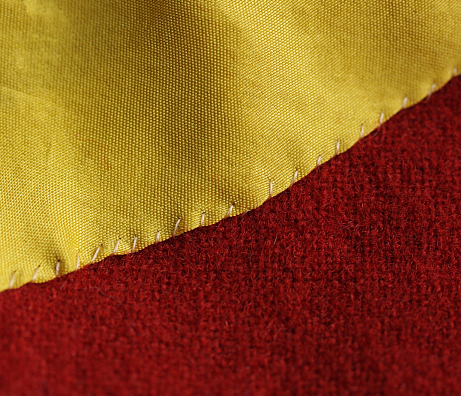
 

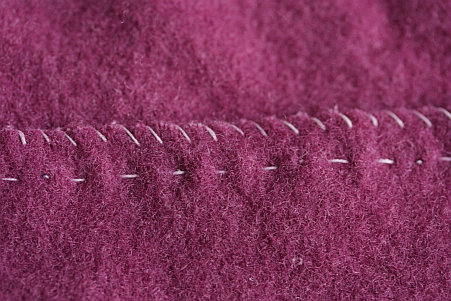
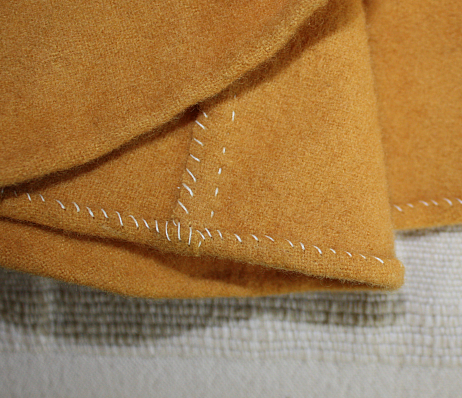
And a closeup of the seam fixing the yellow silk of the neck opening decoration. This cost me a lot more nerves than I had anticipated - but it turned out nice in the end!
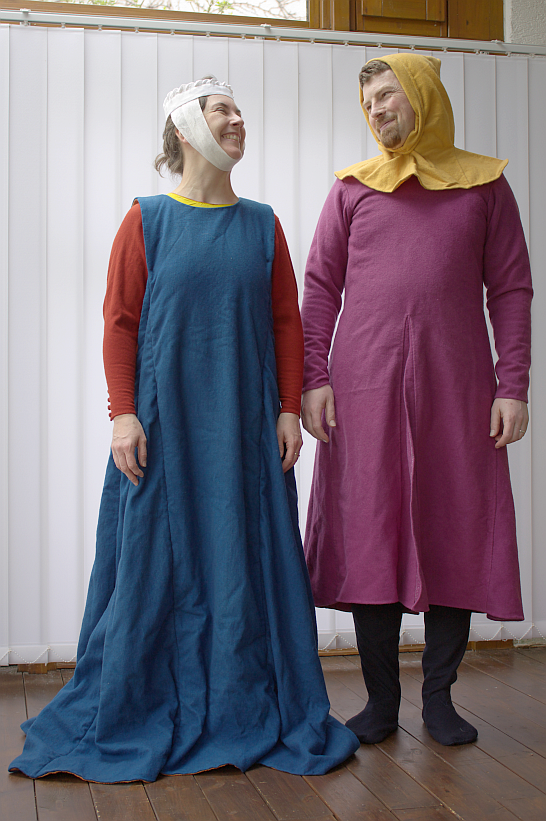

Here are both models, completely dressed with the exception of the man's overgarment, which was not finished at that time.

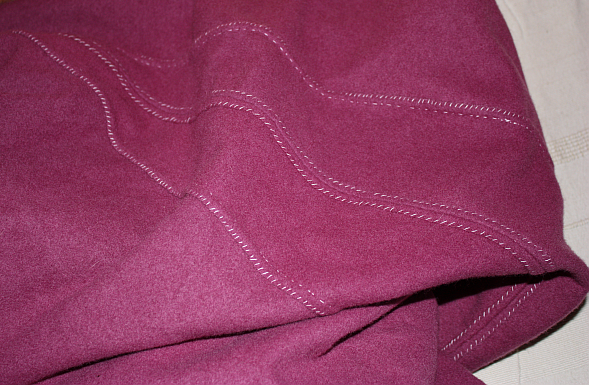
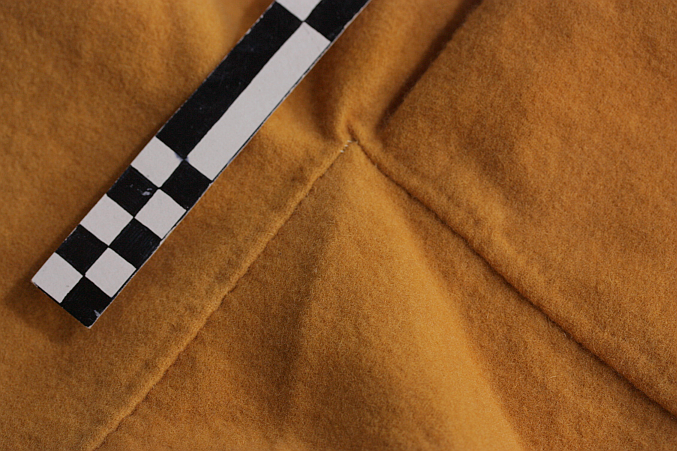
And finally, a few more closeups of the man's purple tunic:


... and one of his hood:


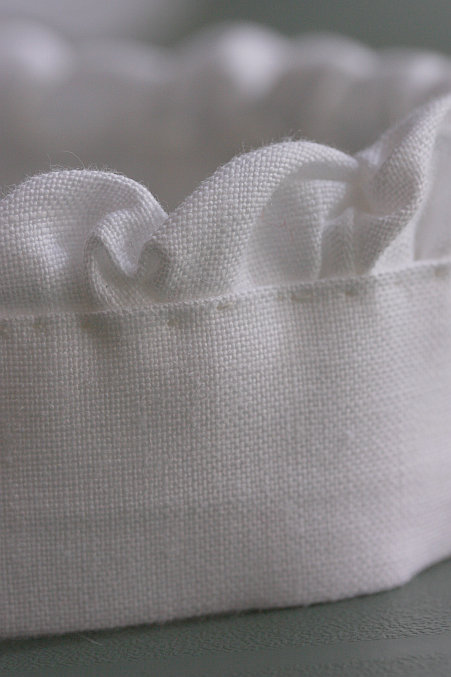
There. It did happen. Picture proven.
0
APR
04
2

It's taxing. Which means... cat pictures.

Every quarter of the year, I have to file some tax stuff... and guess what? It's time for that. Which is... taxing.

Well, it's not that bad, but it will require some coffee, and possibly some chocolate. While I deal with this and with the backlog of emails and writing and stuff so I can finally get caught up (in my wildest dreams, this happens today), why don't you have a few photos?

... a closeup of the fillet in the Manesse-Style:


... and since you all seem to like those buttons as much as I do:


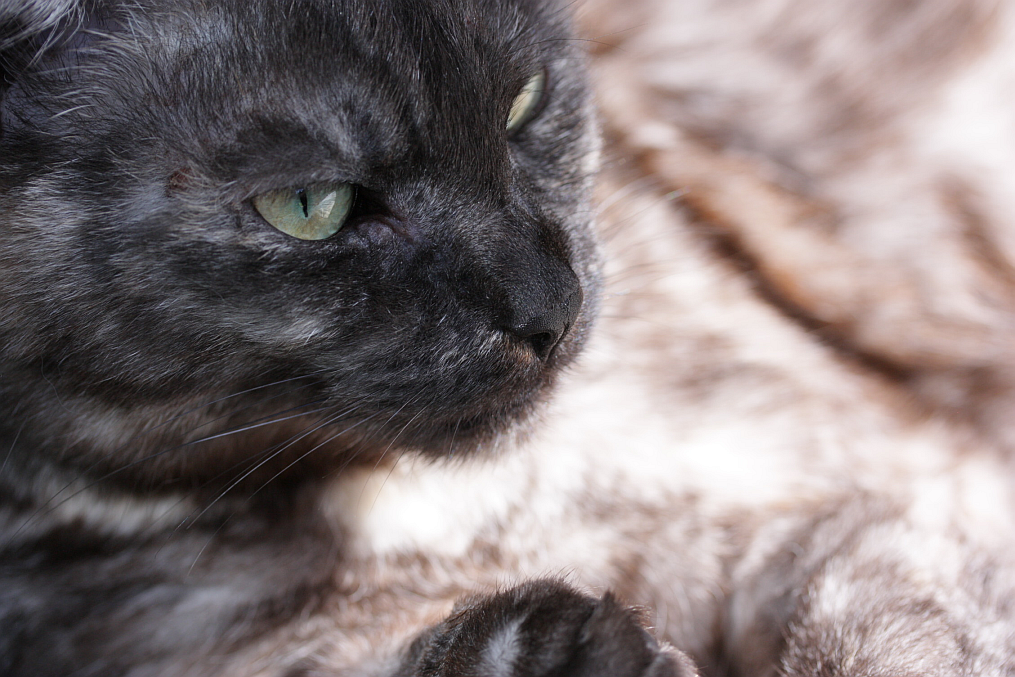
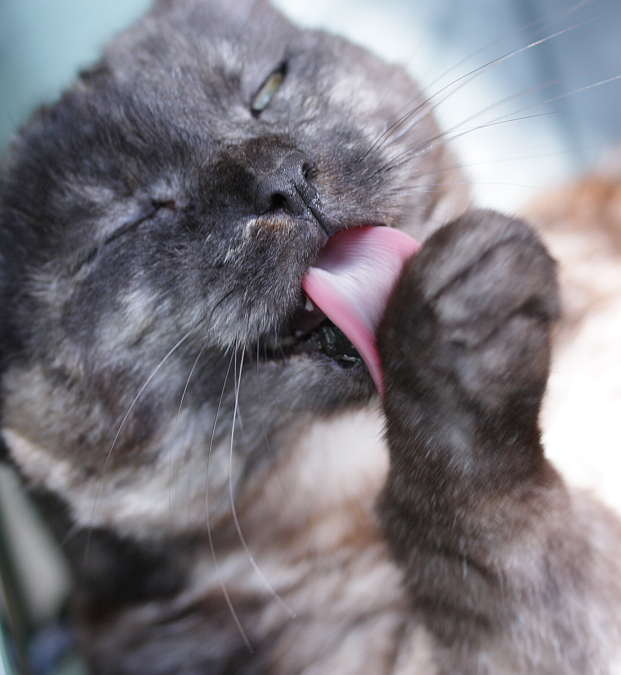
 ... and finally some gratuitous cat pictures. Because I know what the Internet wants (and I confess that I had a need for them as well). 


That was the piccie part.

If you want more to read instead of cat and button pics, there's a list of 550 archaeological blogs over at Archaeologik - in different languages, many of them English.

Also, this Saturday is International Tabletop Day - see the tabletop day webpage if you want to find a game shop or gaming place in your area.
0
MAR
06
1

Stuff that you may find relevant. Or at least amusing.

I owe you a chili recipe, and there's actually a sizeable stack of other stuff that I could blog about, but I have the strong urge to blog other stuff today. You will know why in a moment:

Maybe you've heard of Juan de Alcega's "Tailor's Pattern Book" - it's basically a book with instructions how to place your patterns on fabric so that there's as little waste as possible. There seem to be three similar books, also from the 16th century, from Austria - and they are being published as a Kickstarter campaign. (Kickstarter is a really cool thing.)

Also, the Blogging Archaeology Carnival roundup for February is over at Doug's place. It's not that big, this time; a lot of participants seem to have had the same problem with the open question as I had. There's also the last question for the carnival - I'm a bit sad it's already over, I was enjoying this!

Also: Meet a finished sleeve with cloth buttons.


The only thing left to do on this sleeve is pull out the marker basting thread (on the back, for marking where the edge should fall) and the basting thread for making the hem. And I will pull these once the second sleeve is hemmed, too.

Cloth buttons are a lot of work - each time I make these, I think to myself "I so know why buttons were considered a chic thing". But they are also so beautiful... and having a finished piece with buttons, such as that sleeve, that is something really, really nice.

(Just in case you wonder: the white sewing thread used to attach the buttons is invisible when they are closed. They sit smack on the fabric with their little bottoms.)

I will now leave you with a riot of colours. Colours, I might mention, that all live on wool. Except one, who lives on silk. And I am allowed to cut into each of them. Muahahaha.


The picture does not do them justice - they are lovely, and brilliant, and totally awesomely beautiful. At the moment, they make a fluffy stack of joy in our living-room and draw my eye every time I go past them. There's one almost-black and one black to the right, on different cloths; these will become legwear. And the darker orange shade you see to the left? That's a piece of cloth 1.5 m wide and 5 m long. Dyed in one piece. Spotless. No better dyer than Sabine, I tell you.


0
MAR
05
0

Moar stuff.

I didn't get around to working on the exact stuff I was planning on yesterday (there's a last fitting control needed, and that did not happen), but I did get a good bit of stuff done. This included some refresher research about the development of trousers from hose, and puzzling over how that happened, and when.

And what the guys in the Manesse Codex probably wore underneath. You see, normally you don't see that. And the codex is dated to the early 14th century, but it depicts clothes that are seemingly more in the traditional style, with long tunics for the men.
So the big question for me is... would they wear something more like the traditional wide underpants, and hose that go only to the middle of the thigh in the back? Or already the shorter, tighter underpants and hose that go up higher? Both would be possible for the early 14th century.

I'm still not decided on this. I have made, however, both an old-style wide "bruoch" and a younger-style shorter one, roughly resembling the underwear shown in the Tacuinum Sanitatis:

Threshing scene from the Tacuinum Sanitatis, c 1365. Picture source: BRUNNER, K. & DAIM, F. (2002) Ritter Knappen Edelfrauen. Das Rittertum im Mittelalter, Frechen, Komet.
As you can see, the underwear is short - both the shirt and the pants, and he's not wearing anything else since he's threshing (thank goodness that was such an itchy and sweaty job, it makes for a good number of pics of guys in deshabillé).

I've based the shirt I made for the Manesse garments roughly on this - the sleeves on my version are a bit longer, and it's cut with a little more ease, and it has no shoulder seams, but the type is the same. So at the moment I'm leaning towards the short version for the pants... but I'm not completely decided yet. I am planning to cut the man's hose tonight, and until then, I have time to think. (Ideas from you, dear readers, or other input are, as always, very welcome.)

Oh, and on a completely different note? There's the smell of damp wool in our bathroom - I finished my socks yesterday, and now am waiting until they are done drying after their inaugural soak. (There was no proper blocking after the soak. There is no proper blocking necessary - the fabric is so firm that nothing happens when they are soaked, except they feel even firmer.)
0
FEB
26
2

More from the hood.


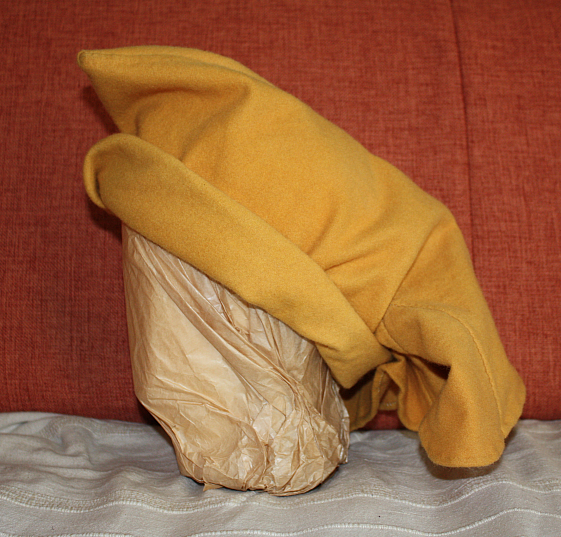
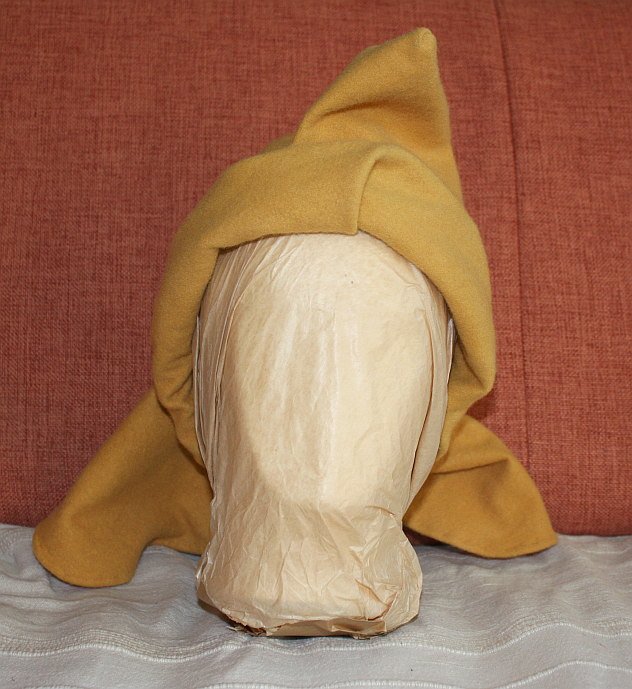
Here are, as promised, the other photos from the finished hood. It's placed with the head opening on my demo head - a popular way of wearing hoods in the late middle ages.


The wool is a lightly fulled tabby, dyed with weld (reseda luteola) and a tiny smidgeon of madder (rubia tinctoria). The seams are running stitches, and the seam allowance is folded to one side and secured/neatened with hem stitches, in some places folded apart and secured to both sides of the seam, also with hem stitches.


The cut is oriented on the hoods found in Herjolfsnaes and London, with a shorter "cape" part than, for instance, the Bocksten find hood.

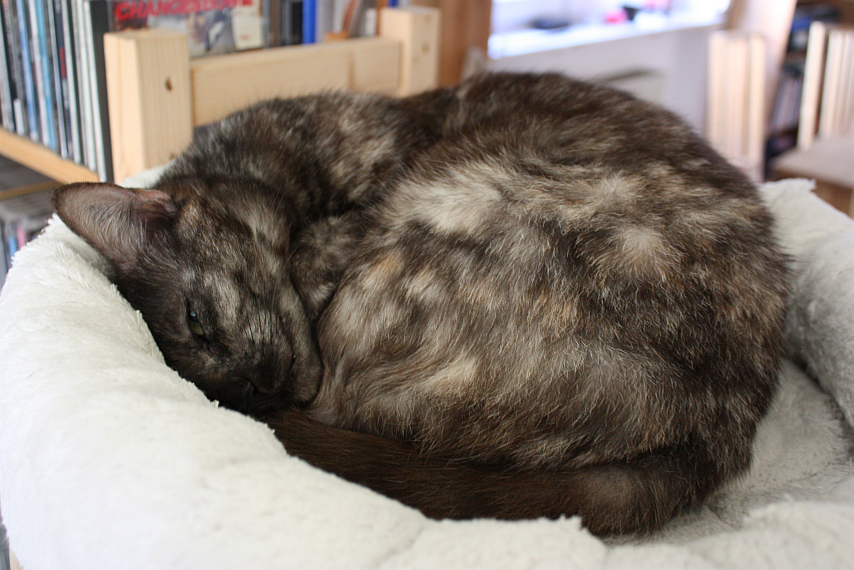
And also: Gratuitous cat pic.


0
FEB
25
2

Spring is coming.

The sun is shining outside, and while it's still cool in the morning, it gets warm soon. How wonderful to sit in the sun with some coffee and some pleasant work, and do things!

Before I get to go sit in the sun, though, there are a few books that want my attention. Tea and computer, thus, for now; coffee and sun and comfy chair and sewing stuff, later.

Also? Meet the newly finished hood, made from plant-dyed wool cloth, sewn with linen thread, cut in 14th century style:


Just a detail for now, since the blog refuses to upload the other pics. But hey, you'll get your gratuitous cat pic tomorrow, then!

0
FEB
14
2

Friday!

(I just learned something new about blogger: when you insert a post title, then press return... it publishes. Does that mean I'm supposed to write the title after the text? Novel idea!)

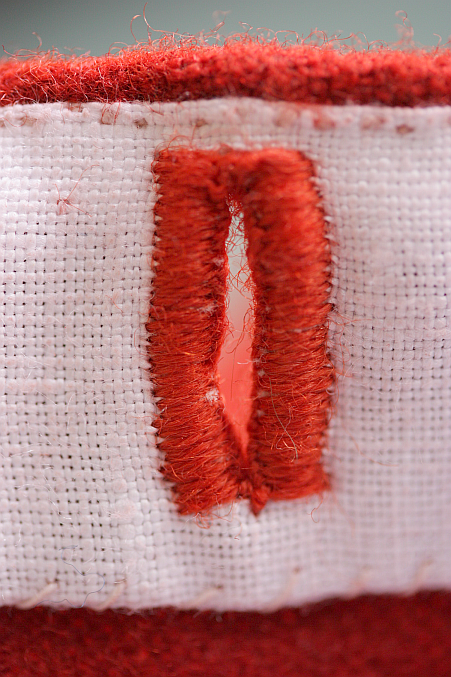
I woke up to a gazillion emails this morning. I also woke up to the very nice and accomplished feeling that only the prepared edge for buttons (or button-holes) can bring:


The basted line has come out, in the meantime. The other line is stab stitches (Punktstich, for the Germans). It's a time-consuming stitch, but it makes the firmest, neatest, and most pleasing edge for anything that gets stress - such as button closures.


And that's the back of it. Lovely, innit?

(I am known to freak out in delight about stab stitch edges. Call me weird... but only after you have seen, and touched, a properly made one and did not freak out with delight yourself.)
0

By accepting you will be accessing a service provided by a third-party external to https://pallia.net/

Contact